Bbc

Letts for DG

From our UK edition

How does Quentin Letts for Director General of the BBC sound to CoffeeHousers? He’s certainly putting himself forward, and in the latest issue of The Spectator he lays out what he’d bring to the role. His seventeen-point manifesto includes such proposals as ‘Cut the DG’s pay to 10 per cent of its current value’ and ‘Sack Jeremy Clarkson’. We’ve pasted the whole thing below. Do add your own ideas for the Beeb in the comments section. Messrs Egon Zehnder, ­headhunters, are helping the BBC find its next director general. The involvement of these swanky international executive search agents is depressing.

My week in Westminster

From our UK edition

I'm presenting Radio Four's Week in Westminster this morning, on deficit wars, London wars, welfare wars, and another set of wars which no one has really discussed yet: the directly-elected police commissioners. There will be about 40 of them elected in November, and candidates are already emerging: Nick Ross (ex-Crimewatch), Colonel Tim Collins and London mayoral hopeful Brian Paddick. I interview two names that have been thrown into the frame, both former ministers and both women: Jane Kennedy (Labour) and Ann Widdecombe (Tory). I wanted to find out just how excited we should be about these elected police commissioners.

Dave talks film, finances and Europe

From our UK edition

It was the second of the Today Programme's New Year's interviews with the three party leaders today; this one with David Cameron. And there was plenty to digest from it. So much, in fact, that we thought we'd bash out a transcript, so that CoffeeHousers can read it through for themselves. That's below, but before we get there it's worth highlighting a couple of things that Cameron says. First, his point that ‘we've seen a level of reward at the top that just hasn’t been commensurate with success’, which is another volley in the battle against the ‘undeserving rich’ that James mentioned yesterday.

The policies behind your energy bills

From our UK edition

It may be a week old, but last Monday's episode of Panorama really is worth putting half-an-hour aside for, if you haven't seen it already. Its subject was energy prices, and it raised some very urgent concerns about the government's policies in that area. You can watch it on the BBC site, but here's a brief summary in the meantime. All in all, switching our dependence away from coal and oil is going to be enormously expensive. Some £200 billion of taxpayers’ money is to be spent on increasing renewable energy output from seven to thirty percent by 2020. And, because sources like offshore wind costs almost £100 an hour more than traditional generators, this policy’s most immediate effect will be to raise energy bills sky high.

Exclusive: The BBC to apologise for wronging Tyrie

From our UK edition

Here's one for newswatchers: a lesser spotted on-air apology from the BBC. During the Conservative Party conference, you may remember, they purported to show footage of Steve Hilton taking Andrew Tyrie into a corner to persuade him of the government's line. But they are about to publicly admit, during the 5pm bulletin on the BBC News Channel, that they misrepresented what actually happened — and they're sorry about it. Peter Oborne detailed the misrepresentation in his column last week; drawing attention to the clarifying blog post that the BBC's James Landale graciously wrote on the matter, two weeks ago.

The welfare trap

From our UK edition

John Humphrys last night presented a documentary on welfare, the single most important topic in Britain. It was excellent, and I’d recommend CoffeeHousers watch the whole thing (on iPlayer here). Humphrys is a great presenter, himself the product of the now-forgotten days of social mobility when a kid from a working-class district (Splott in Cardiff) could end up presenting the 9 O’Clock News in his 30s. “In those days, everybody was expected to work,” he said of his childhood. “We knew only one family where the father did not work, and he was a pariah…. Today, one in three of working-age people is on out-of-work benefits.” This is what the welfare state has done to communities like his.

Daylight scrapping time

From our UK edition

Aha, the Spectator's cover story is gathering pace. If you were tuned into The BBC's Daily Politics just now, then you will have enjoyed a preview of the terrific scrap this time-shifting proposal could provoke. They had on both Rebecca Harris MP, who is pushing for us to move to Central European Time (CET), and Peter Hitchens, who revealed in his article for us that the government is minded to back the idea (as well as describing Harris as "one of those homogenised, UHT female Tory MPs"). The pair were, of course, mediated by Andrew Neil. We shall try to secure video of the discussion, if possible.

Right to reply: How we beat the Beeb

From our UK edition

A slight change to the normal rules of engagement for this latest post in our 'Right to reply' series. Whereas these posts normally take issue with what your Coffee House baristas have written, this one takes issue with the post by the BBC's Jon Williams that we put up yesterday. It's by Al Jazeera's Ben Rayner: In wars reputations of whole news organizations can be made or broken very quickly. And the spin on the result is almost as important as the reality. Undoubtedly the BBC took a fearful kicking in the press over its coverage of the fall of Tripoli in August. To the British papers, Sky's Alex Crawford had won the day at the expense of slow moving Auntie.

Right to reply: Why the BBC still matters across the world

From our UK edition

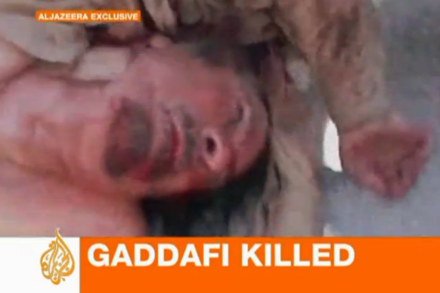
Reading Fraser’s post last night, you’d be forgiven for thinking the BBC is running up the white flag in terms of its global reporting. Yesterday — as Gaddafi was breathing his last in Sirte — Coffee House was praising Sky and Al Jazeera, and pouring scorn on the BBC’s “stifling bureaucracy”, accusing us of being “short sighted”, “slow-moving” and being constantly “bested” by others in terms foreign news. There’s only one problem with Fraser’s analysis: the facts don’t stand up to scrutiny. Timing is everything. Yesterday the BBC’s Gabriel Gatehouse was the only UK broadcaster in Sirte.

Al Jazeera scores another victory in the information war

From our UK edition

Now that Gaddafi has been killed, which television station will the world turn to? I suspect that, right now, Al Jazeera will be on in No.10 and the White House, and indeed television sets across Asia and India. At a time when the BBC is retreating from global news, its Doha-based rival is expanding — and this has harsh implications. The Arab Spring demonstrated the importance of media to world affairs, and the Americans are mindful that they’re losing this battle. The America-style television news formula — celebrity newscasters and short packages rather thin on analysis — go down badly outside America. ‘We are in an information war and we are losing,’ Hillary Clinton warned the Senate foreign relations committee in March.

Chris Huhne: an apology

From our UK edition

I have apology to make. I wrote on Friday that I suspected Chris Huhne's mistweet “fine, but I don’t want my fingerprints on the story” was the Climate Change Secretary briefing against a Cabinet colleague to a Sunday newspaper. This was a horrid allegation to make, suggesting that a member of Her Majesty's Government would spend his time and energy trying to ridicule a colleague for the benefit of a Sunday newspaper. I now accept that he was not. It was for the Saturday edition of The Guardian. Huhne has just fessed up to Jon Sopel the Politics Show on BBC One: “In the Eastleigh News website is a recording of Theresa May, a recording from a few months previously of the leader of UKIP, Nigel Farage and it’s exactly the same.

Fox under pressure

From our UK edition

https://www.youtube.com/watch?v=zTOskAPgL9c The Westminster Fox-hounds think they have picked up the scent this morning. Enemies of the Defence Secretary, of whom there are many, are convinced that they'll be able to bring him to ground over his links to Adam Werrity. Werrity was Fox's best man and is a good friend of the Defence Secretary. But the problems stem from the fact that Werrity, who holds no official position, was dishing out cards saying he was an "adviser" to Fox, arranging meetings for him and attending diplomatically important events with the Defence Secretary. Fox has tried to kill off this story by asking the permanent secretary to investigate whether he has breached the ministerial code.

The full story on NHS spending

From our UK edition

I make no apologies for returning to government spending on health. The Tory promise in the election to ring-fence health spending and increase it in real terms every year even during a period of public spending cuts was distinctive and much-touted during the 2010 election campaign. A quick recap: during my extended interview with Health Secretary Andrew Lansley which went out live on the BBC News Channel on Sunday evening, I suggested that higher inflation than anticipated when the health spending promise was given would make it more difficult to meet the Tory promise of real annual rises. Indeed I put to him a projection for real health spending which showed it would decline.

Chris Patten: a big disappointment all round

From our UK edition

Chris Patten has held almost every great and good job the great and the good can offer: Governor of Hong Kong, Companion of Honour, European Commissioner, Chancellor of the University of Oxford and Chairman of the BBC Trust. Only his parents’ decision to send him to a Catholic church will prevent him becoming Archbishop of Canterbury and winning the game of establishment bingo with a full house. Patten features in Peter Oborne and Frances Weaver’s strange polemic against British supporters of the Euro. (Strange because Gordon Brown and the Labour Party stopped Britain joining the Euro so the authors have no crime to accuse the “guilty men” of – other than being wrong.

The riots, one month on

From our UK edition

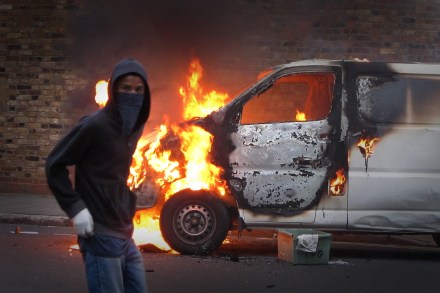
A month has passed since the riots, and it still feels as if nobody has grasped what really happened. The media debate has been limited, to say the least: lots of self-appointed community leaders and youth experts talking about giving kids a "voice" or "stake" in society, or calling the likes of David Starkey racist. The BBC "riots debate" last night, featuring Dame Claire Tickell, Liam Nolan, Shaun Bailey and former gang member Sheldon Thomas was particularly frustrating. Every time somebody came close to making a good point – Bailey, for instance, issued strong remarks about the commercialisation and sexualisation of children – someone else would drown it in bien-pensant blather.

I spy a BBC bias

From our UK edition

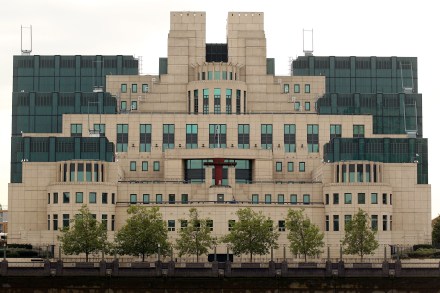
With Colonel Gaddafi's compound lying in ruins and every self-respecting reporter combing through the wreckage, it was only a matter of time before documents of a dictatorship became public. Most explosively, the BBC's Jeremy Bowen has found letters to and from the Secret Intelligence Service which suggest complicity in extraordinary rendition and, as was suggested on the Today Programme yesterday, an unseemly chuminess with Libya's spies. If any part of the British state took part in illegal acts – which extraordinary rendition is – then this is a very serious matter. But it should be said no evidence has hitherto been found of this by any number of inquiries.

Lady Nicotine and the Fat Wars

From our UK edition

Well, whaddyaknow, turns out that a rise in obesity is one of the costs of government-sponsored attempts to make smoking tobacco less appealing. Swings and roundabouts. Acording to Chris Snowdon, a study* published in this week's British Medical Journal reports that non-smoking women are twice as likely to be obese as smokers and three times as likely to be seriously lardy. True, obesity is not quite as dangerous as smoking but that's a matter of perspective. If you look at the matter from the Treasury then obesity may well be the greater problem.

Tory backbenchers oppose cuts to the World Service

From our UK edition

There is a debate in the Commons this afternoon, urging the government to spare the BBC World Service from cuts. The resistance is being led by Richard Ottaway, chairman of the Foreign Affairs Select Committee and author of a report condemning the Foreign Secretary’s decision to cut funding for the service.   Ottaway is likely to be well supported, as the Tory right is exercised by the effect that cuts are having on Britain’s standing in the world. John Whittingdale is on side, and there were plenty of backbenchers (among them, David T.C.

John Humphrys makes the case for voting No to AV

From our UK edition

Is AV too complex? Ask John Humphrys, who unwittingly made the case against switching system today, in conversation with David Cameron on the Today programme. It became clear that Humphrys believed that everyone's second preference vote would be counted under AV — and Cameron pounced. Here's the transcript: DC: If you go to an AV system you start counting some people's votes more than once. And you end up, in the words of Churchill... JH: No you don't. It simply isn't true that you count votes more than once. DC: Yes, you count all the votes. You start eliminating candidates, and you count people's second preferences. JH: And I have a second preference, as well as you, as well as anyone else. So you don't count some people's votes more than others.

Hain puts his foot in it

From our UK edition

Crude politics has intruded on the Royal Wedding after all, and all courtesy of Peter Hain. The Shadow Welsh Secretary has complained — on Twitter, naturally — that the BBC's coverage of the event dwelt too long on David Cameron and Nick Clegg, and ignored Ed Miliband. "BBC airbrushing Labour like the Palace?" he asked leadingly. The Tory minister David Jones has since admonished him, "time, place, Peter." If Labour have much sense they'll play this down as efficiently as possible. Miliband, it is true, barely featured in the television coverage — but that's really beside the point. It is rarely smart politics to take on the Palace at any time. Yet on the day of the Royal Wedding it's just downright foolish.