Bars

Americans have perfected the art of countertop cuisine

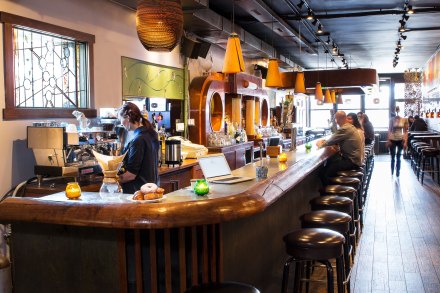
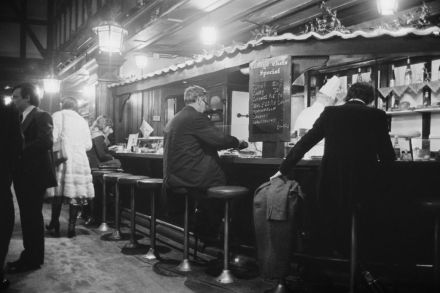
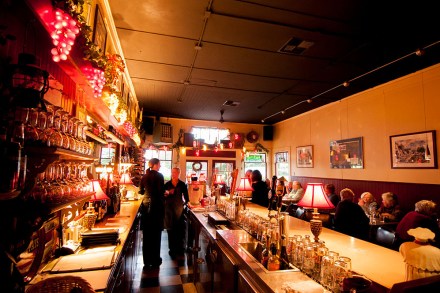
There are many reasons to admire America, and also a few reasons to disapprove. On the plus side there is free speech, the right to protect oneself, a relatively dynamic economy and 198 versions of beef jerky. On the downside, an inconsistent attitude to turning right at lights, too much fructose and the possibility of a civil war on the way. However, on a recent long trip up the American West Coast, from palm to pine, I came away realizing that America has one great advantage over Europeans: a serious understanding of the concept of eating at bars in restaurants. By which I don’t mean nibbling nuts and necking a cocktail while waiting for a table. I mean actual eating, of a proper meal, while seated on a barstool.
Dive bars will save the West

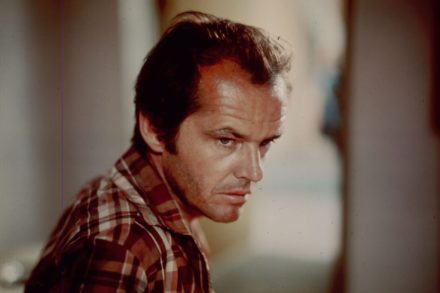
On the wall of a dive bar in Washington, DC, hung a poster for Michelangelo Antonioni’s The Passenger. The bar had the same name as the film. The movie (more boring to watch than metal melting) follows a disillusioned Anglo-American journalist roaming the African desert, indifferent to the landscape and the war he’s supposed to report on. He trades identities with a dead arms dealer and leaves behind his wife, job and old life, thinking that doing so will fix the emptiness. It doesn’t. He is incapable of caring. He has no convictions, not even when living in danger, not even when he meets someone new. The Passenger tells the story of Western men who have become indifferent observers with no cause to embrace, men who seek meaning in escape rather than responsibility.

Jack Nicholson in “The Passenger” (1975) by Michelangelo Antonioni (Getty)

The Long Room, a reliable Chicago bar with all the essentials

I was sipping a beer on the patio behind Ten Cat Tavern with my friend Charlie, debating which was the better Chicago bar: the Long Room up the street, or the Ten Cat. The Long Room was a neighborhood bar that had once been a dive bar. Ten Cat, according to Yelp, is a dive bar now. This requires explanation. For old-school relics like me, calling a tavern a dive bar has not, historically, been a compliment. When we moved into the neighborhood thirty years ago, the Long Room was Blue Bird Liquors, a Chicago dive bar in the traditional mold — a combination packaged-goods store and neighborhood shot-and-a-beer joint. Blue Bird Liquors didn’t have the wall of TVs obligatory in modern bars. Considering how dark it was, I’m not 100 percent sure it had electricity.

long room
St. Patrick's

How to do St. Patrick’s Day like an Irish American

For a country like Ireland, as devoted to its faith as to a good party, the fact that St. Patrick’s Day falls during Lent poses a problem. The saint himself is said to have broken his fast during Lent, eating meat instead of fish, for which he was so apologetic that an angel came to give him comfort. Put your meat into a dish of water, the angel said, and it will turn to fish. This Patrick did and was very pleased to see that the angel was right. The meat had turned to fish, and he could partake of it without guilt. The Irish call this miracle “St. Patrick’s Fish,” and feel no qualms about eating a pork roast to celebrate the day. You can also keep a holy day and drink to excess, if you’re drinking for the right reasons. St.

The understated perfection of Long Island Bar

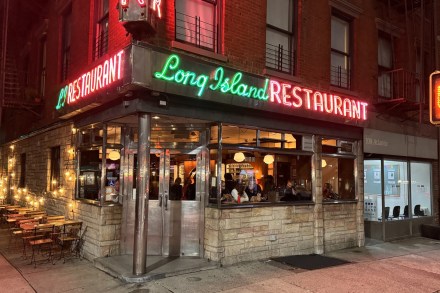
I had never given Brooklyn much thought beyond the odd walk over the bridge and down into Dumbo, outmaneuvering the hordes of Instagrammers trying to get that perfect shot of themselves on the cobblestone streets with Manhattan Bridge in the background, perfectly framing the Empire State Building between its nervous legs. What with the tourists and the hipsters it never quite felt like my sort of place, so I happily stayed on the wrong side of the bridge, ignorant of the treasures that were hiding from me.  That all changed on a chilly November evening a couple of years ago when my friend Zack invited me to meet up for drinks at his local, The Long Island Bar, nestled neatly between Brooklyn Heights and Cobble Hill.

Long Island

The Office Lounge is everything a Texas bar should be

The downtown streets of Georgetown, Texas, are a grid of pastel storefronts and Victorian architecture, centering around the domed and columned Williamson County Courthouse (named after the judge known as “Three-Legged Willie”). America’s fastest-growing city looks like a time capsule from the old Southwest. But thirty miles south, Austin — or “Silicon Hills” — is undergoing a tech boom. Microsoft, Musk’s gigafactory and a host of tech startups have unleashed a flood of yuppie commuters into Austin’s surroundings, rapidly transforming not just Georgetown, but what we think of as quintessentially Texan. Rodeos, the Alamo, cowboys and outlaws — will we one day think instead of smartwatches and Bill Gates? I doubt it.

office lounge

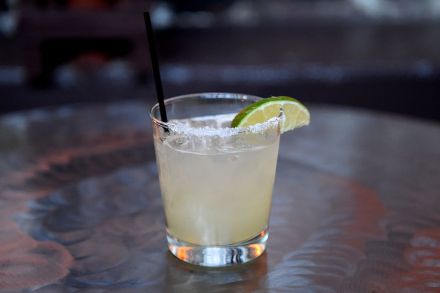
In search of the perfect martini

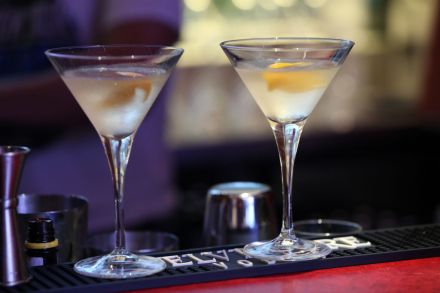
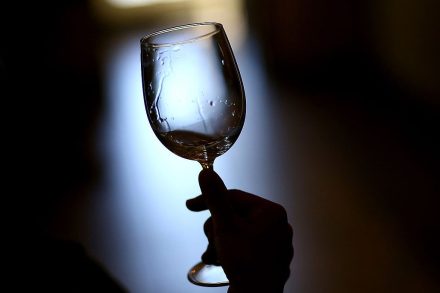
“I like bars just after they open for the evening,” Terry Lennox tells Philip Marlowe in the early pages of The Long Goodbye. “When the air inside is still cool and clean and everything is shiny and the barkeep is giving himself that last look in the mirror to see if his tie is straight and his hair is smooth. I like the neat bottles on the bar back and the lovely shining glasses and the anticipation. I like to watch the man mix the first one of the evening and put it down on a crisp mat and put the little folded napkin beside it. I like to taste it slowly. The first quiet drink of the evening in a quiet bar — that’s wonderful.” They’re drinking gimlets — gin and Rose’s lime juice — which some people, though not me, consider a type of martini.

martini
hound

The comfort of drinking at the Hound

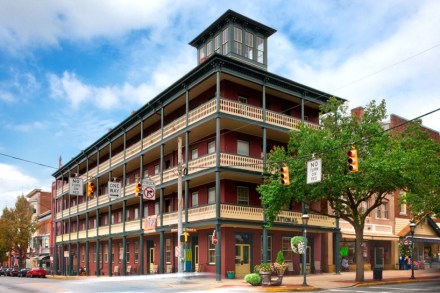
In the historic downtown of York, Pennsylvania, near the courthouse where the Articles of Confederation were drafted and a farmers’ market built in the days of horse-drawn carts, you’ll find a curious building called the National House. Constructed in 1828 as a hotel, its porches and airy galleries recall antebellum New Orleans. In its days as a hotel, it hosted guests like Mark Twain and Martin van Buren. Now it’s the home of my favorite bar. The Hound opened in 2012, in the early days of the craft beer boom. Its thirty rotating taps offer seasonal brews from local favorites like Tröegs and Victory, mixed in with ten-ounce pours of funky sour wheat goses or boozy imperial stouts.

The charm of Toronto’s Park Hyatt Writer’s Room

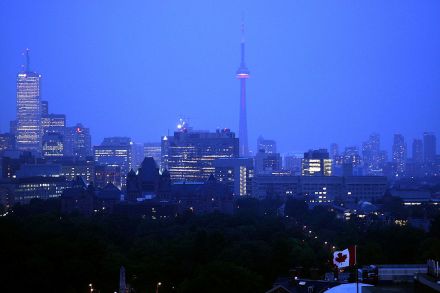
Foie gras doughnuts, check. Rooftop location, check. Framed collection of fountain-pen nibs on the wall, check. Where should a scribbler with aspirations to the higher life turn his feet in Toronto, if not to the Park Hyatt Writer’s Room? At seventeenth-story level, the higher life seems within easy reach. The Writer’s Room is the renovated and rechristened edition of the historic Rooftop Lounge, a famous hotel bar that first opened its doors to the public in the Thirties. Before the renovations, it boasted Toronto’s longest-serving bartender, Joe Gomes, who worked there for fifty-seven years. His fondest memory, he said on retirement, was meeting John Wayne. Everybody who’s anybody seems to have popped by for a drink at some point: Leonard Cohen, Brangelina, Hunter S.

writer's room toronto

Lucien, the best bar in New York for writers

When I search my memory for a favorite bar, I’m struck by thoughts about bars of legend that I can only fantasize about. My drinking life is a tale of three cities — Chicago, New York and Paris — but since I’ve spent most of my adulthood in New York, it’s hangouts in Manhattan, some long gone, that first come to mind. And establishments where writers and reporters liked to drink hold for me a privileged position. I wish that I could have bought a cocktail in the 1930s for the tragically brilliant novelist Dawn Powell at the now defunct Lafayette Hotel in Greenwich Village, or at the nearby Brevoort Hotel on Fifth Avenue and 8th Street.

lucien

McSorley’s Old Ale House resists restoration

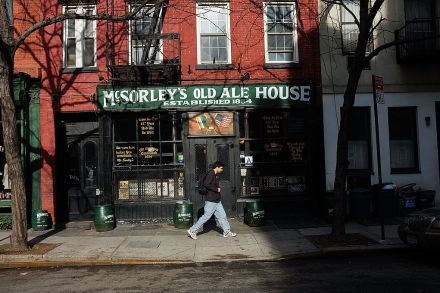
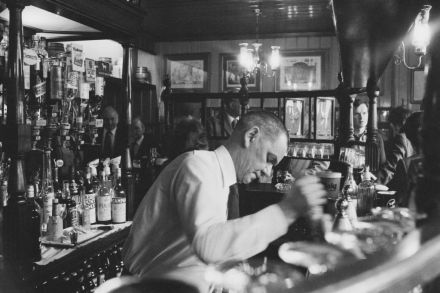
The late Christopher Hitchens once lamented that he left London for America because the “piss and vinegar” of the city had been swept away by an antiseptic tide of money. Manhattan, though, still has plenty of both, not only in the subway but also in the form of a series of old-school pubs that have somehow resisted the modern mania for restoring the life out of anything old and authentic. The granddaddy of them all is McSorley’s Old Ale House on East 7th, opened in 1854 and America’s oldest continuously operated bar. The front room of McSorley’s has no chairs or tables. There is sawdust on the floor. The place accepts only cash and has no till. It serves only two kinds of ale (light or dark) and house soda. A sleeve of crackers and a chunk of cheddar are the staple bar food.

mcsorley's

Crossing the border for margaritas at La Roca

There are many different reasons to like a bar. Because it does the best cocktails. Because it is the cheapest around. Or the most expensive. Because it’s a great place to meet people for sex. Because all your mates go there. Because it is ubertrendy. The colorful, ornate, majolica-tiled, lushly colonnaded bar restaurant of La Roca, in Nogales, Mexico, isn’t really any of these things. And it certainly isn’t ultra-convenient: you must cross a border to get there from Nogales, Arizona. Why do this?

la roca

The comfort of drinking at Lucy’s

Since I became a Republican, it seems my friends only want to drink at private clubs overlooking Central Park, where men are required to wear jackets and something called “slacks,” and the fur-clad old ladies have hairdos best described as architectural. I’ve never felt comfortable in these places and prefer the company of another old lady, the dowager of downtown and empress of the East Village: Ludwika “Lucy” Mickevicius. When I first started going to Lucy’s, she’d still let you smoke inside, if she liked you, and today the drop ceiling remains stained a hearty beef-stew brown, reminding you of freer, more reckless times.

lucy's

Colony Grill’s culture remains

Nothing has done more damage to the watering hole than Bar Rescue. In each episode, the show’s protagonist swoops into some troubled landmark Toledo bar, guts its history in the name of “open concept,” installs some LED lighting to cut costs, adds some overpriced microbrew, and yells at the backwoods staff — his anger a thin disguise for his McKinsey consultant personality. As a finishing touch, he’ll add a crabcake to the menu. Rescue complete. This reverse-Road House consultant is why every bar in America looks the same: bland, bloodless, stocked with minimalist Ikea furniture, cut off from the past. Don’t let the “unique” seasonal IPA or over-sized Jenga fool you. You are staring at conformity.

colony

My favorite Red Lion pub

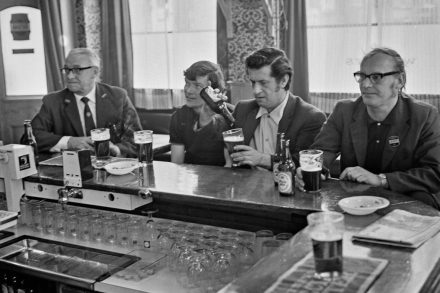
The best bars are empty. And empty bars close, which is a shame. I used to like drinking Polish vodka in the Russia House, up from Dupont Circle, in Washington, DC. The site is currently shuttered because some over zealous internationally correct ideologues smashed it up after Russia invaded Ukraine and it hasn’t come back. The Russia House never seemed to be that popular. It had a sort of fake glamour and contrived shadiness that I liked. I could never afford the caviar, so the prostitutes left me alone. DC snobs would call it “basic” — but then DC snobs are basic, so who cares what they think? I hope it has reopened by the next time I’m in Washington. Spare a thought, too, dear Americans, for British pubs.

red lion

Remembering Orsini’s

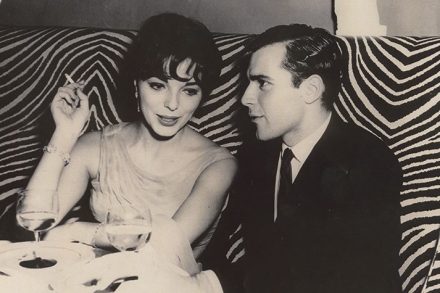
If Paris is cafés and London is pubs, New York is bars. Most of the legendary Big Bagel bars have been Irish: P.J. Clarke’s, still going strong, and the now-shut Elaine’s, where Woody Allen, Jackie Onassis, and Norman Mailer partied and gossiped protected by the formidable Elaine. But for me, although a regular at the above watering holes, there’s one that stands out because it was there where I cut my teeth as a young man about town, where I met Joan Collins, Janet Leigh, and Linda Christian — and debutantes and models galore. That was Orsini’s, at 43 West 56th Street, just off Fifth Avenue.

One of Washington’s best bars returns

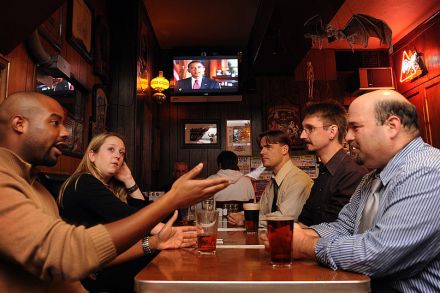
Cockburn has rarely met a pub he didn't like, though plenty of pubs haven't taken a liking to Cockburn. Fortunately, occasional dissolute behavior was never a problem at Post Pub, the old neighborhood watering hole on L Street in Washington. So you can imagine Cockburn's dismay when he learned last spring that Post Pub would be closing after 43 years. The cause wasn't so much the pandemic as it was a tragic outbreak of public health. The Washington Post reports that 'back in the era of hard-drinking lunches, bartenders at the Post Pub used to stir up three-gallon batches of gin and vodka martinis and a two-gallon batch of Manhattans to prepare for the daily crush. And that was just for Mondays.’ What happened?

post pub