Azerbaijan

A Trump-branded peace deal

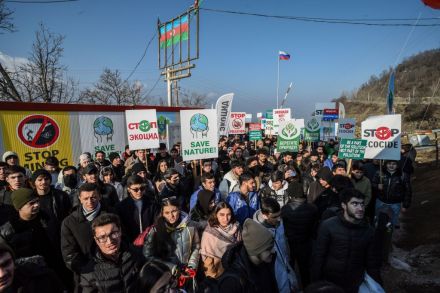
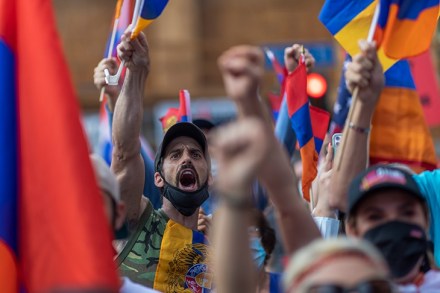
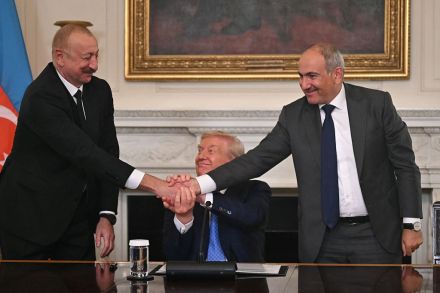
Mount Ararat rises over Armenia’s capital, Yerevan, its peak often lost in clouds. It is the country’s national symbol, yet it stands across the border in Turkey. That border has been closed since the early 1990s, when Turkey sided with Azerbaijan against Armenia – cutting Armenia off from its largest western neighbor and leaving it dependent on narrow trade corridors through Georgia and Iran. For three decades, the conflict shaped the politics of the South Caucasus, drawing in Russia, Turkey and Iran. The peace agreement between Armenia and Azerbaijan, signed today in Washington, represents more than the end of a long-standing territorial dispute.
Trump peace

Will Iran’s foreign policy change after Raisi’s death?

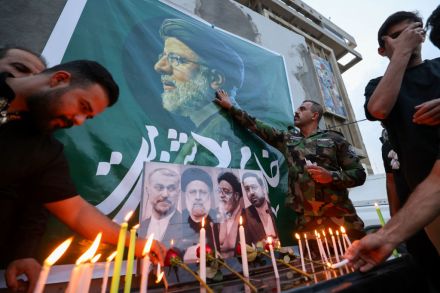
Ebrahim Raisi, the hardliner jurist-turned-president of the Islamic Republic of Iran, died in a plane crash over the weekend after coming back from a ceremony marking a new joint dam project with Azerbaijan. Iranian foreign minister Hossein Amir-Abdollahian, who was also on board, perished in the crash as well.  Few Iranians outside the political system will mourn their deaths. Raisi, for instance, was a notorious, unapologetic defender of the Iranian regime and first got involved in its machinations in his mid-twenties. In 1988, he served on a panel that handed down death sentences for thousands of dissidents.

iran ebrahim raisi

Russia isn’t just losing influence in Ukraine

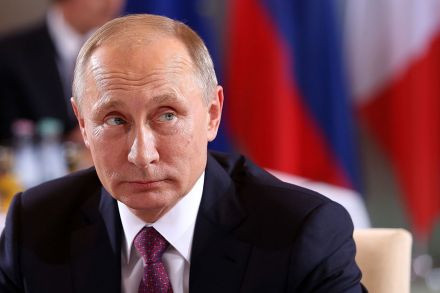
If Vladimir Putin’s goal is to reestablish Russian influence, his ambitions are on track for another major setback. Far less high-profile than the war in Ukraine, a slow and quiet revolution has been brewing south of Russia’s borders in Central Asia and the Caucasus. These nations, members of the former Soviet Union, have traditionally been in Russia’s sphere of influence. That, however, is now changing. At the start of the year, it looked like Russia was ascendant. Putin had over 150,000 troops waiting to invade Ukraine, and was receiving a steady stream of Western visitors pleading with him to step back. When Kazakhstan was engulfed in popular protests, Putin stepped in and deployed about 2,500 Russian troops after an appeal by the Kazakh president to help quell the unrest.

Will Armen Sarkissian save Armenia?

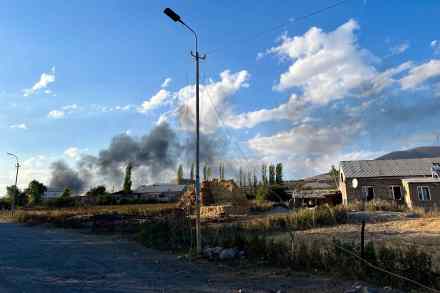
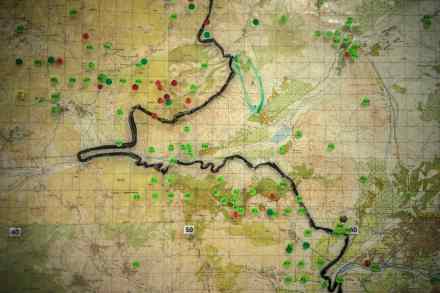
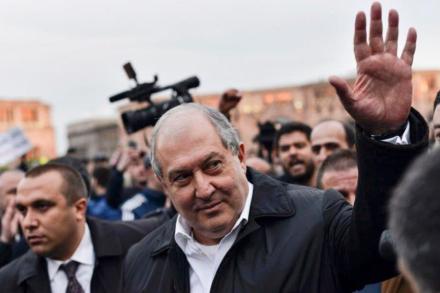
Yerevan, Armenia Armen Sarkissian, the president of Armenia, is incandescent with rage. “Five thousand brave and selfless Armenian soldiers were killed in this war,” he tells me at his office, referring to last year’s conflict with Azerbaijan and Turkey. “There must be accountability for their deaths.” Sarkissian strikes me as the only Armenian politician whose anger comes with a constructive program of national revival. The man once described by Zbigniew Brzezinski as the “Vaclav Havel of the Caucasus” radiates no grievances against foreign powers.