Atheism

The afterlife of Christopher Hitchens

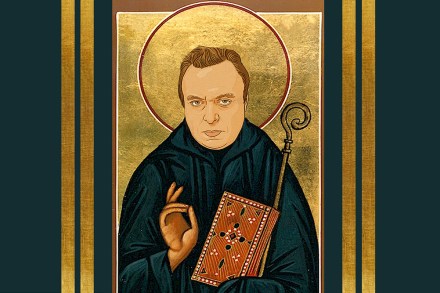
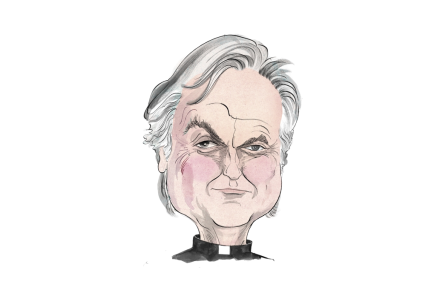
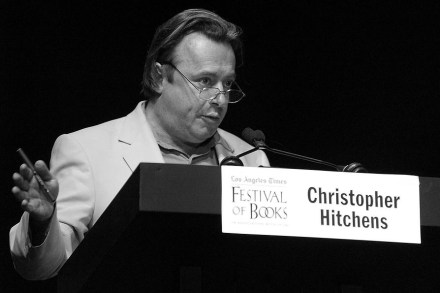
In 2011, a terminally ill Christopher Hitchens faced death with droll stoicism: “To the dumb question ‘Why me?’ the cosmos barely bothers to return the reply: ‘Why not?’” he wrote. As his health declined and the end drew nearer, the skeptical Hitchens stuck to his atheist guns, clear-eyed in his confidence that death was final. Hitchens died in 2011, but his work and reputation live on. No paradox there, of course, but just how large Hitchens looms twelve years after his death would surely have surprised even this immodest author. It’s certainly a surprise to me, a reformed Hitchens fanboy. The face of twenty-first-century atheism is having quite the afterlife.

Hitchens

Fall of the godless

No religious season passes without it being insulted by the kind of person who lives in fear that somewhere some believer is not having his faith offended by someone to whom faith itself is offensive. This Eastertide was no exception. On Good Friday, which coincided with the first night of Passover, the New York Times printed an essay by a former yeshiva student proposing that in this year of violence and suffering it would be best to “pass over” God, adding, “Killing gods is an idea I can get behind.” This sort of village-atheist raspberry — which largely disappeared during the twentieth century along with American villages themselves — has enjoyed something of a revival early in the twenty-first century with the appearance of the so-called New Atheists.

atheists

Something woke this way comes

Man’s refusal to accept reality can take entertainingly paradoxical form. One of the more enjoyable is the New Atheists’ crusade (I use the term advisedly) against God — a battle with human nature which, like most battles with human nature, can never be won. God may never have appeared in a burning bush, but, he, she or they came to life in the brains of some ancient hominids, probably as a bug in a new pattern-recognition app. It was a bug with benefits, and as evolution is an opportunist, God has never gone away since. Tara Isabella Burton, who has a doctorate in theology, does not deal with the sources of religious belief in Strange Rites, Instead, she focuses ‘primarily on what a religion does’.

rites

The uneasy legacy of Christopher Hitchens

Winston Churchill looked forward to an expansive lunch. He was in his late seventies, prime minister for a second time, and this cabinet meeting was dragging on. It was nearly one o’clock and they were down to the eleventh item on the agenda, a memorandum on town planning. Wearily, Churchill said: ‘Ah yes, I know town planning, densities, broad vistas, open spaces...give me the romance of the 18th-century alley with its dark corners, where footpads lurk.’ It is possible to have this exact feeling watching cable news today. Somehow, you’re watching CNN or MSNBC, and some bloviating no-mark like Don Lemon or Chris Hayes or Ezra Klein is grimacing through air time.

christopher hitchens