Astronauts

Space travel, ancient Greek style

Apollo, Artemis and Orion have not been named at random. The first two are brother and sister, and all three are known in myth as hunters – which is what the astronauts are. Ancient Greeks would have been very envious of them. The satirist Lucian (c. AD 125-180) had great fun with space travel. In his True History, he describes how he sets off with his companions to sail the Atlantic when suddenly a typhoon whirls them up to the Moon, but after many adventures he is able to return and describe what he saw. There are no women, but men act as wives. They produce children in the calf of the leg. The children are born dead but brought to life by breathing in the wind. Men then become husbands. Their noses run with honey and when they exercise, they sweat milk.
The first woman to climb Mt Blanc took 18 bottles of wine and 24 roast chickens 

From our UK edition

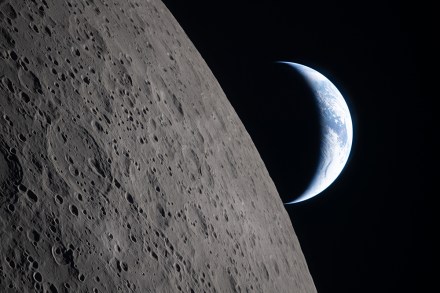
The dark side of the Moon, a broken loo and a floating jar of Nutella: such was Artemis II. When Helen Sharman joined the Mir space station in 1991, becoming the first Briton to visit space, the appetite was rather for oranges. Not only were they ‘rare in the Soviet Union then’, Sharman recalls on a new podcast, but they lent the cramped space a reassuringly fresh aroma. The Art of Adventure hosts an interview about a different exploration each week, from George Mallory’s expedition to Everest in 1924, to Ernest Shackleton’s ill-fated Endurance, and Sharman’s space flight. It has been steadily climbing the charts, which is a feat in itself, given that it’s hosted by a shop, rather than the likes of Goalhanger.

Why Artemis II matters

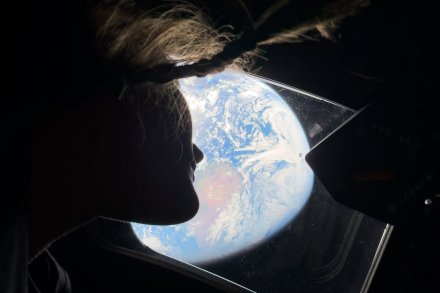
Weren’t those images beamed back from the Artemis II mission something to catch the breath in the throat? If something in you wasn’t stirred by the sight of Earth, glimpsed through the window of the space capsule past the silhouetted face of the astronaut Christina Koch, I don’t think you can be fully alive. And what about the thought that for the first time in history, human eyes will look directly on the dark side of the moon; or that the inhabitants of that spacecraft will travel farther from our home than any humans have ever done? That for a few tens of minutes before earthrise, they will be wholly out of contact with home as they travel through the vast dark? Stir the soul it might; but why, some will reasonably ask, should we be doing it at all?

What would life on Mars actually look like?

From our UK edition

Just as extreme altitudes have notable effects on the human body and mind, so too does extreme wealth seem to have a particular effect on psychology. Or at least that’s how it appears when you look at the shared ambition of two of the world’s most prominent billionaires, Elon Musk and Jeff Bezos. Both men are fixated on the idea that humanity’s future lies beyond Earth and are funnelling fortunes into the vision that we will soon have significant human settlements off-planet, whether on the moon, Mars or elsewhere. It’s an argument grounded not just in exploration and discovery, but in survival. If humanity’s future on Earth looks to be in doubt, is living off-world not the ultimate insurance policy for our species?

A bird’s-eye view: Orbital, by Samantha Harvey, reviewed

From our UK edition

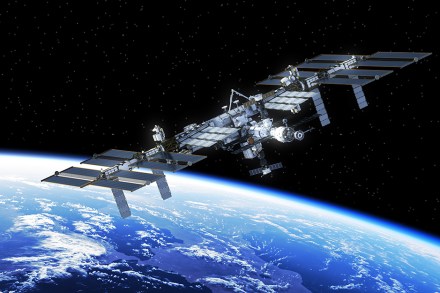
This slender, gleaming novel depicts a day in the life of six astronauts at the International Space Station – but a day isn’t a day for a crew orbiting Earth at more than 17,000 miles an hour. Space ‘takes their 24 hours and throws 16 days and nights at them in return’. Weaving a line of philosophical enquiry through her luminous prose has become something of a trademark for Samantha Harvey, who probed the elasticity of time through a portrayal of Alzheimer’s disease in her prize-winning debut The Wilderness and, in All is Song, transported Socrates to the 21st century.