Artificial intelligence

Don’t let AI read philosophy for you

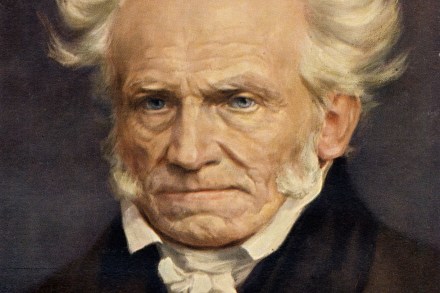
The German philosopher Arthur Schopenhauer (1788-1860) once wrote that “the man who feels himself drawn to philosophy must himself seek out its immortal teachers in the quiet sanctuary of their works.” That’s easier said than done: philosophical classics have a terrible reputation outside ivory towers – as big, boring, difficult books, filled with obtuse theorizing about irrelevant problems, their covers featuring ghastly old men staring miserably out at the reader. Books about philosophy are hugely popular today, most of which repackage the thoughts of past thinkers for time-pressed readers – but I suspect not many people transition from these guides to the great works themselves, especially when AI can do all the hard reading for you.   But Schopenhauer was right: to

philosophy

Peter Thiel predicts the future

Peter Thiel has been described variously as “America’s leading public intellectual,” the “architect of Silicon Valley’s contemporary ethos” or as an “incoherent and alarmingly super-nationalistic” malevolent force. The PayPal and Palantir founder, a prominent early supporter of Donald Trump, is one of the world’s richest and most influential men. Throughout his career, his principal concern has always been the future, so when The Spectator asked to interview him, he wanted to talk to young people. To that effect, three young members of the editorial team were sent to Los Angeles to meet him. What follows is an edited transcript of their conversation. WILLIAM ATKINSON: Following Zohran Mamdani’s victory in New