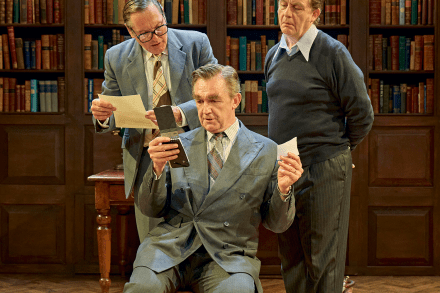
Delightful nostalgia for political wonks: The Gang of Three, at the King’s Head Theatre, reviewed
The Gang of Three gets into the nitty-gritty of Labour politics in the 1970s. It opens with the resignation of Roy Jenkins as deputy leader in 1972 in a desperate attempt to quell the party’s growing hostility to the Common Market. He holds a council of war with Anthony Crosland, his old Oxford chum, and they discuss their next moves while awaiting the arrival of Denis Healey whom they both heartily detest. The writers, Robert Khan and Tom Salinsky, capture the characters beautifully. Crosland considers himself more gifted and mature than Jenkins but he hasn’t yet made his mark by holding one of the great offices of state. He boasts about his record during the 1960s when he destroyed the grammar school system and cancelled the Channel tunnel. Both achievements make him deeply proud.