How the ancient Greeks defined citizenship
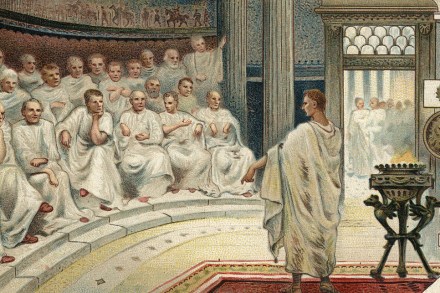
In the ancient world, where life was insecure and refugees and asylum seekers not uncommon, there were no border posts, and free people could mostly come and go at will. But a concept of citizenship, technically differentiating ‘citizen’ from ‘non-citizen’, then emerged among the autonomous communities (‘city-states’: there were hundreds) of the ancient Greeks. Take 5th century bc Athens. Two Athenian parents were needed to produce citizen offspring, whose status was confirmed and registered by their local deme (a sort of parish). When the males became 18, they were permitted to attend the Assembly which made all the decisions that MPs make on our behalf today, and at 30 they could sit in the courts and stand for office.