Previous magazine Next magazine

Latest issue

The divorce evangelists

Browse past issues

Books and Arts

Books and Arts

The sick genius of Nathan Fielder

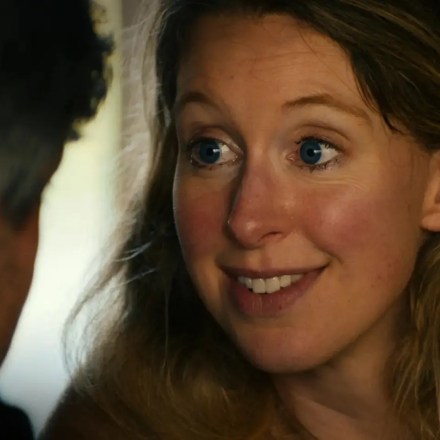
You Can See Everything is a brilliant and deeply evil film about the utterly cursed world we live in. It is the only world we have, so it’s worth getting good at living in. I am going to be free with the spoilers. There is nothing to spoil. There is actually no true content in this three-hour film. Well, about 90 seconds. You can see it twice and you probably should. The concept, editing, cinematography and performances are absolutely superb. It should teach you that, in an evil world of lies, only the truth can save you – and not always. The starting point of You Can See Everything is charisma. Nathan Fielder, the director, and Elizabeth Holmes, the subject, both have it, to Jedi mind power-level. They can look into your eyes and make you believe. Hitler had this too.
Russians read more. Do they think more, too?

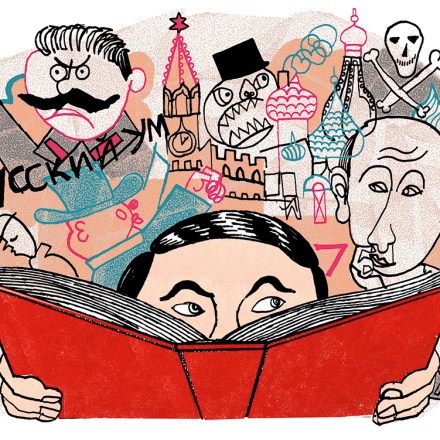
The kids aren’t reading. Across the western world, Gen Zers are reading far fewer books than their parents. Many can barely read at all. In the US, 40 percent of fourth-graders have “below basic” reading abilities, while the same percentage of American adults reported reading no books at all in the previous year. Professors at elite US universities increasingly report that their students are no longer capable of reading an entire novel, or even a 30-page extract. In the UK, the National Literacy Trust found that just 33 percent of schoolchildren enjoyed reading in their free time, a 36 percent decrease since 2005. Does the rise of the postliterate society amount to a death knell for liberal democracy?

A history of Napoleon’s marshals has all the dash and vigor of a cavalry charge

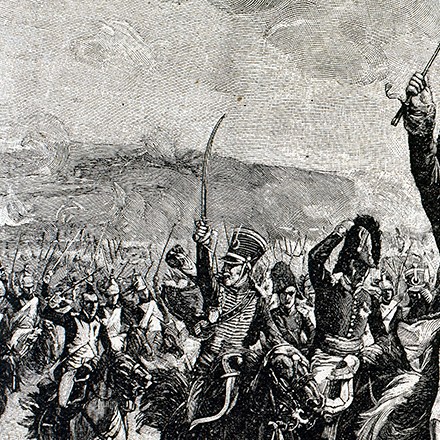
In his fourth book on Napoleon, after Napoleon and Wellington (2001), Waterloo (2005) and Napoleon the Great (2014), Andrew Roberts focuses on the emperor’s relations with his 26 marshals. Writing with the dash and vigor of a cavalry charge, having walked 53 of Napoleon’s 60 battlefields, Roberts analyzes campaigns and battles from Italy in 1796, through Austerlitz, “the greatest victory in the history of France,” and the retreat from Moscow (ten marshals served in the Russian campaign) to Waterloo in 1815. Accounts of marches and battles are interspersed with frequent quotations from the emperor’s letters, sent day and night to his marshals to micromanage their campaigns, as well as from the marshals’ personal correspondence with each other.

‘We think you’re the best’ – the actors’ tribute to Michael Gambon

When Michael Gambon was made a CBE, Ian McKellen wrote generously on behalf of the acting profession: “We think you’re the best.” Arthur Miller pronounced him greater than Laurence Olivier. From a spear-carrying start in the early days – indeed on the first day – of the National Theatre, Gambon rose steadily to stardom and eventually, via a series of movie flops, to the well-paid prison of the Harry Potter films. On stage, in Shakespeare, Beckett, Pinter and Ayckbourn, or on television in The Singing Detective and Longitude, there was a might and scale to his talent that few could match – a force that did not preclude delicacy and emotional truth, his physical bulk capable of both high comedy and balletic grace. The essence of Gambon’s art was contradiction.

The intellectual passions of J.R.R. Tolkien

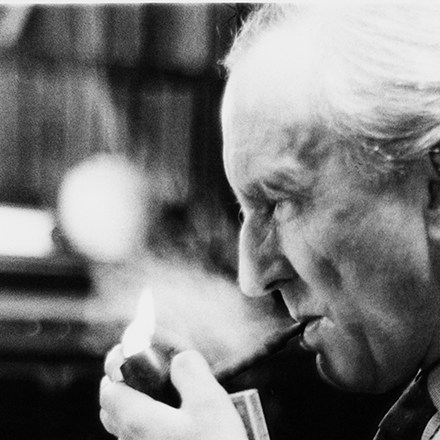
It was December 1942 and J.R.R. Tolkien was having doubts about his new book, a sequel to The Hobbit published five years earlier. “Is such an ‘epic’ possible to consider in the present circumstances?” he wrote to his publisher Stanley Unwin. The specific circumstances included the second world war; but the literary climate was hardly more propitious. The warden of Merton College, Oxford, where Tolkien was Professor of English Language and Literature, was “visibly shaken” when Tolkien showed him the blurb for that sequel, eventually titled The Lord of the Rings. Reviews were largely poor: the American critic Edmund Wilson was not alone in thinking it “juvenile trash.” In a sense, Tolkien’s question to Unwin holds good.

Our thirst for torching old buildings

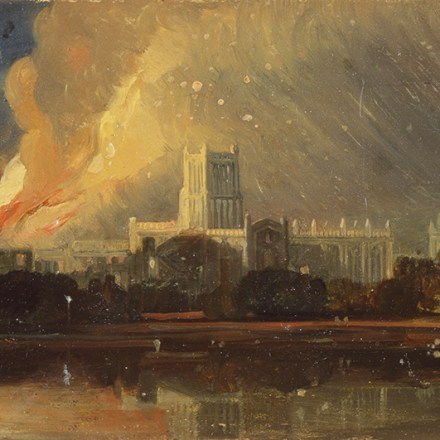
Regard the protestors. See how happy they are. Can you hear them whoop and whistle? The burning clock tower of the town hall has fallen inside the old building. Houp-là. How they whistle and whoop! The baying of such mobs in public places is as old as the history of towns and cities, the burning of buildings equally antique. Order and chaos, civilization and barbarity, the call of the primeval. Limoges has long been famed for its “arts of fire,” of the elements and crafts involved in the making of enamelware that reached its artistic zenith between the 12th and 14th centuries with a host of exquisite crucifixes, crosiers and tomb effigies, a hosanna of book covers and reliquary caskets.

The RA’s triumphant new exhibition

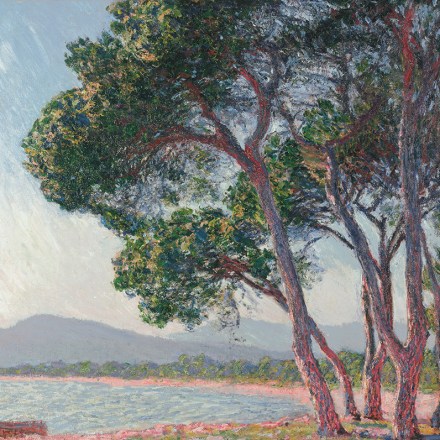
What a show at the Royal Academy. You go straight into a room of Cezannes and Renoirs and that is how it continues, with one coup de théâtre after another, at the hands of Monet, Signac, Braque, Matisse, Derain, Bonnard and more, all of them in thrall to the astonishing light and color of the Côte d’Azur. It hadn’t always been like that. These artists, Cezanne excepted, came from northern France and knew nothing about the southern coast. What changed it all was the completion of the Paris-Lyon-Méditerranée railway in 1860, which suddenly made this spectacular seaside accessible. Cezanne was from neighboring Provence, and he arrived on the coast before anyone else.

RA
eastern bloc

Opera’s obsession with the Eastern bloc

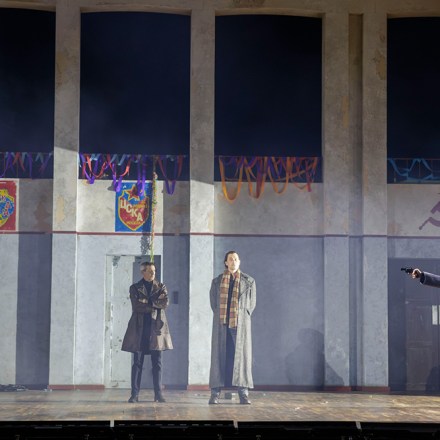
There was a fad a while back for photo books about Eastern bloc architecture. Derelict megastructures, brutalist monuments; you couldn’t move for them in the Barbican gift shop. Anyhow, Patrick Nolan and Leslie Travers – the director and designer respectively of Opera North’s new production of Eugene Onegin – were presumably big fans, because they’ve relocated the action to a provincial sports centre in the dying years of the USSR. It’s a fairly common gambit with Slavic operas. British opera companies are surely world leaders, by now, at rendering faded paintwork and water-stained concrete. But why?