Life

Life

What’s in a name?

’Tis a ritual of late summer, fitting somewhere between tossing the last of our CSA-farm kohlrabi into the compost bin and the first pit forming in my stomach when I contemplate the beginning of a new school year — even though my shade hasn’t darkened a classroom door for many a decade. I refer to my purchase and mirthful reading of the Athlon Sports college football preview magazine, which retails for a cool $11.99. First thing I do is check the forecast for the trio of teams I have pulled for since I first laced up (and tripped over) cleats: Brigham Young (though I am not Mormon), Army (though I am a pacifist) and Notre Dame (though I am a piss-poor Catholic). Next I pour myself a tumbler of rotgut and settle in with the names, these glorious names.
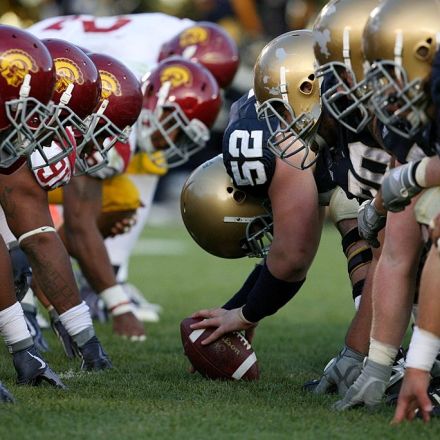

names
English

Modern English

The English language as written today is often nearly incomprehensible on first reading, and as spoken almost unintelligible and unpleasant to the point where the civilized listener disengages himself in frustration and disgust from the speaker and his speech. The problem in the first instance is the readiness of people who know better to embrace demotic usage in semi-formal literary venues, such as respectable journalism; the second, the bizarre combination of pretension and illiteracy and its results, the jargon and barbarisms ubiquitous in the 21st century.

Americans, London needs you

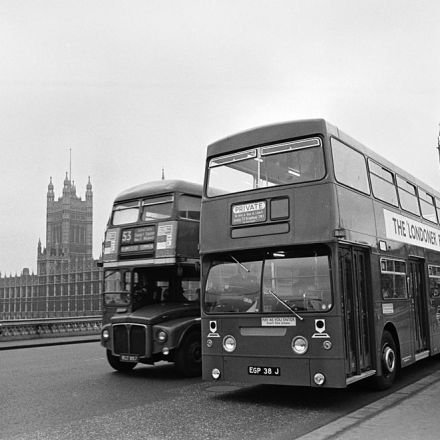
‘Nobody wants to admit it, but London was boring even before the pandemic — and it’s still boring now!’ I said. We were at a London drinks party. The guy retaliated with a smirk and that old Dr Johnson line, ‘He who is tired of London, is tired of life.’ ‘No,’ I said, ‘I’m not tired of life — I’m tired of people who always quote Dr Johnson when you make some slightly disparaging remark about London!’ I dislike that Dr Johnson quote because it assumes that you can’t be genuinely tired of London; your discontent must be due to your own boring, miserable life and not because London has become an overpriced, culturally exhausted and soulless city — which it has.

London
spick

The link between spick and span, spanking and spoon

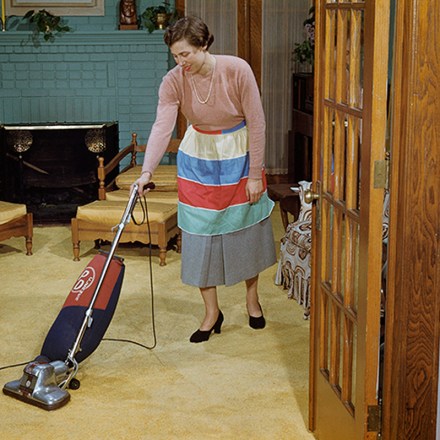
I ‘hoovered’ on Saturday (as we say in Britain for vacuuming) while my husband was out ‘exercising’. I don’t know whether he attracts dust, like a piece of amber, or produces it, as if by spontaneous combustion in slow motion. Anyway, when he settled in his chair again, he ran his finger rather annoyingly over the table next to him and said encouragingly: ‘Spick and span.’ It’s a curious expression, since neither part seems to have any meaning on its own. The table wasn’t spick. Nor was it span. The earliest known use of the phrase is by Thomas North in 1571, in his translation of Plutarch’s life of Aemilius Paullus, called Macedonicus not because he came from there but because he beat the Macedonians in battle.

Bog bodies: mysteries of the Iron Age

Some believe All Hallows’ Eve (October 31) is adopted from a much older Celtic holiday, Samhain, that marked the change from harvest’s richness to the darkness of winter. In its modern guise, Halloween still retains something of that pagan philosophy — a time when the borders between the living and the spirit world are supposed to be at their weakest. For our pre-Christian ancestors, this sense of the in-between was felt not only in the mulchy decay of autumn but in the land around them. Bogs were an in-between space for Iron Age Europeans. They thought that these muted open wetlands, with their sodden pools of still black water, exposed an opening to some other realm.

bog
almanac

I’m back for the Almanac

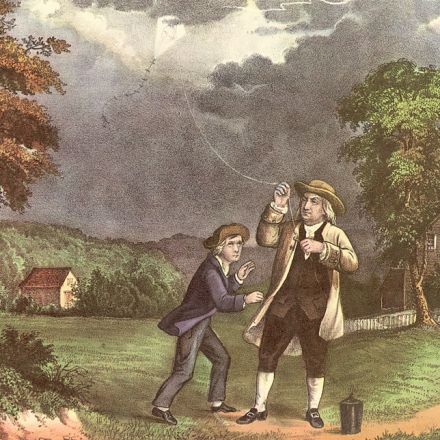
Growing up in Weston, Connecticut I remember well a little pamphlet that hung over the shelf in the garden shed, attached to a nail by a string threaded through its conveniently predrilled hole. The pamphlet was well-worn and covered with my father’s dirty fingerprints as he often consulted it. A new one replaced the old one every year. The cover always had a cameo of Benjamin Franklin, its first publisher. The title was The Old Farmer’s Almanac, and my father swore by it. As did several million other Americans, who wanted to be guided in the ways of gardening, know what to expect weather-wise for the year and find out about new seeds and ways to get better harvests of existing crops.