Books & Arts

Books and Arts

The fatwa artists

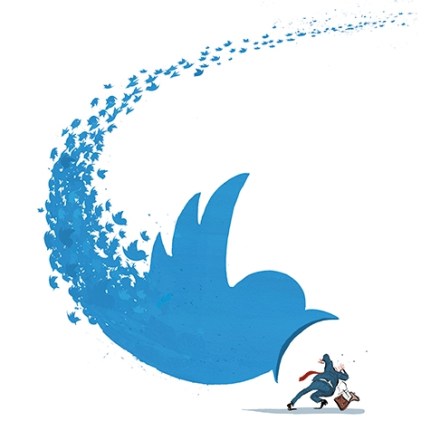
On June 3, the New York Times published a very bad op-ed. By itself, this is not breaking news. The Times opinion page has long been a kind of stagnant water cooler for conventional center-left opinion, a hospice care ward for America’s remaining pleats-panted, open-collar Blairites. Sure, they’ll occasionally publish something interesting — an essay by the deputy leader of the Taliban, for example, or an admission by David Brooks that he once tried the ganja. But generally the Gray Lady’s opiners tend to be tucked in bed by nine, dreaming of the things globalization might accomplish the next day.This piece was not that. It was, first of all, written by a Republican, Sen.
fatwa twitter
tori amos

Tori rebel

In her new book, the singer-songwriter Tori Amos advises aspiring artists to be wary of those who would lead them astray. ‘Most people cannot raise their hand and say, “Your expression, your piece, your song, your art, is not to my taste; in fact I have an aversion to it, but I think it’s brilliant.” And that means that... some people judge something to be good or not good by what they personally like. Beware of this, I say to all artists.’ The simple sentiment encapsulates why so much creative potential is stifled before it can flourish. An artist whose principal goal is to please an imagined audience, or to adapt his or her work to critical trends, is no kind of artist at all.

Something woke this way comes

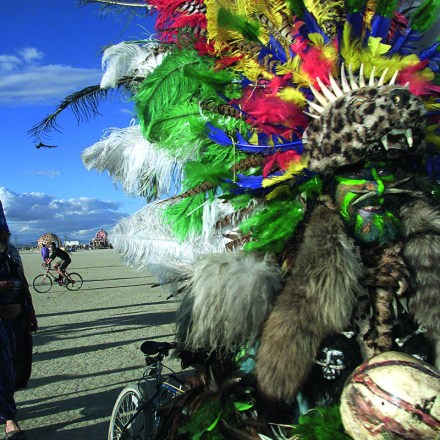
Man’s refusal to accept reality can take entertainingly paradoxical form. One of the more enjoyable is the New Atheists’ crusade (I use the term advisedly) against God — a battle with human nature which, like most battles with human nature, can never be won. God may never have appeared in a burning bush, but, he, she or they came to life in the brains of some ancient hominids, probably as a bug in a new pattern-recognition app. It was a bug with benefits, and as evolution is an opportunist, God has never gone away since. Tara Isabella Burton, who has a doctorate in theology, does not deal with the sources of religious belief in Strange Rites, Instead, she focuses ‘primarily on what a religion does’.

rites
louis c.k.

Louis C.K. pulls it off

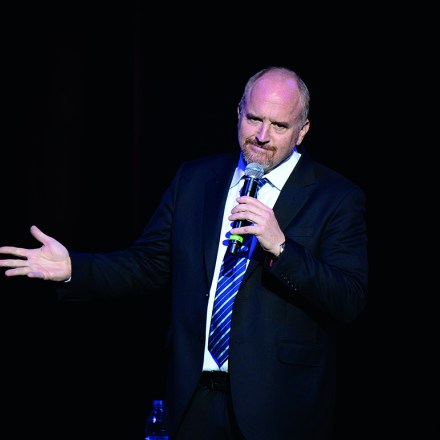
‘You are so lucky that I don’t know your thing. Do you understand how lucky you are?’ comic Louis C.K. tells his comeback show audience. ‘Everybody knows my fucking thing, now. Obama knows my thing. Do you understand how that feels? To know that Obama was like “Good Lord!”’ It’s a good point well made. Everyone who knows anything about the world of comedy does indeed know Louis C.K.’s thing. In 2017, when #MeToo exploded, C.K. was ranked by Rolling Stone number four among the 50 best stand-up comics of all time. His sexual proclivity was publicly exposed, he lost numerous television deals and movie contracts and he suddenly found himself cast into outer darkness. All in all, it cost him an estimated $35 million in lost income.

Revolution then: The Patriot stands alone

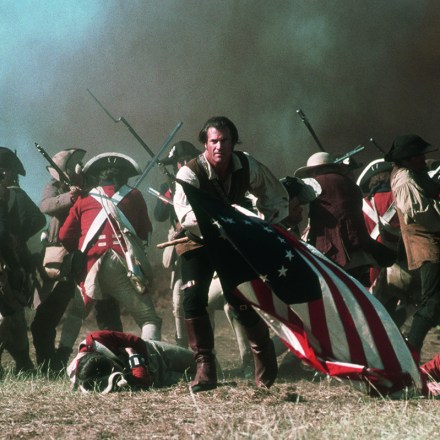
You’re the director of one of the biggest blockbusters in recent memory. Your latest project premiers Fourth of July weekend: an American Revolution epic, headlined by one of Hollywood’s most bankable stars. What could go wrong? In 2000, Roland Emmerich did everything right with The Patriot. Robert Rodat, a veteran of Saving Private Ryan, wrote the script. The Smithsonian Institute consulted on historical accuracy. Mel Gibson, who had led the charge in Braveheart, was the star. He was also People’s ‘Sexiest Man Alive’. ‘The problem I have is people love me so much, they never criticize me,’ Gibson lamented in a cameo on The Simpsons in 1999. ‘It’s hell being Mel.’ Cinematic hell is where The Patriot remains.

patriot
hamnet

Young Hamlet

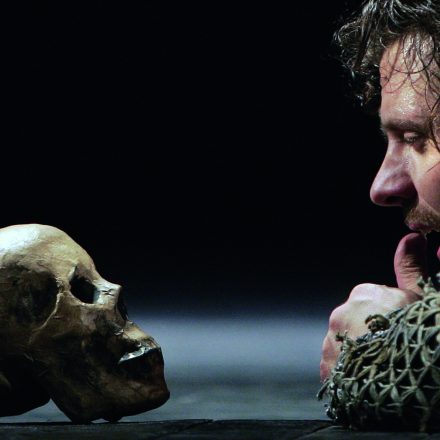
Maggie O’Farrell is much possessed by death. Her first novel, After You’d Gone (2000), chronicled the inner life of a young woman who finds herself comatose following a near-fatal car accident. And a recent piece of non-fiction, I Am, I Am, I Am (2017), gave an account of O’Farrell’s own numerous brushes with mortality. Her latest novel returns to this preoccupation with the ‘undiscovered country. from whose bourn/ No traveler returns’. In it she sets out to tell the imagined story of the life and death of Shakespeare’s only son, Hamnet, who perished at the age of 11, four years before his father wrote the play that would share his dead son’s name — in Elizabethan England, the spellings Hamnet and Hamlet were interchangeable.