Food & Drink

Food and Drink

The secrets of South African wine

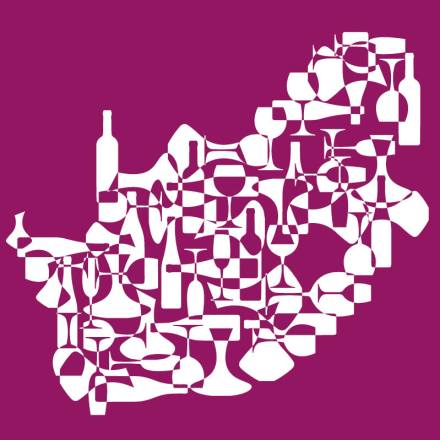
What do you suppose the grandest wine was in the early 1800s? The wine that populated the sideboards and dining tables of the courts and palaces of Europe? That consoled Napoleon as he moldered on St. Helena? That John Adams judged among “the most delicious in the world?” That Baudelaire apostrophized along with his lover’s lips in Les Fleurs du Mal? That Queen Victoria quaffed nightly after dinner as a digestif? That Hugh Johnson says many kings and consorts preferred to Yquem, Tokay or Madeira? If you said “Constantia, the sweet wine from the eponymous town southeast of Cape Town,” go to the head of the class and collect a golden star reminiscent of the honey-colored, late-harvest Muscat Blanc à Petits Grains that today makes up the wine.
South Africa
beers

The boozed-up beers of summer

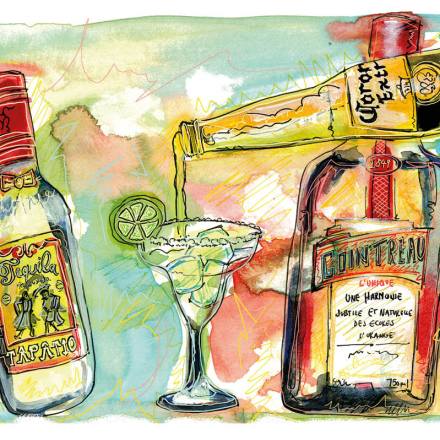
Some undetermined time in the long past, possibly in 1890s Montana, a miner had finished a long and tiring day and needed a refreshing beer. But after aparticularly taxing shift, a beer wasn’t going to cut it alone. He asked the barman for a shot of whisky as well — and washed it down with his pint. It’s hard to call the boilermaker a cocktail, and inventing one certainly wasn’t on the mind of our tired protagonist. To this day, mixing beer and spirits is not generally the province of mixologists; it’s a combination more often favored by partygoers looking to get slammed as entertainingly and quickly as possible.

How to make the perfect clafoutis

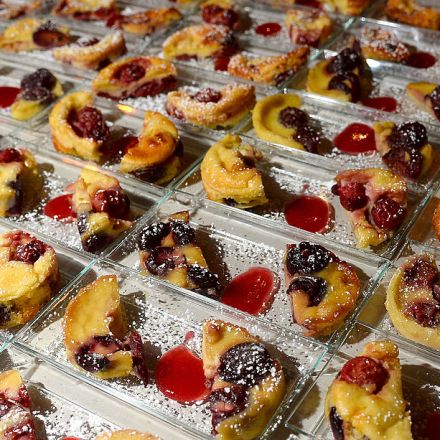
Clafoutis. Difficult to pronounce. But oh-so divine and easy to make. Originating in the Limousin region in south-central France, its name comes from the Provençal clafir, “to fill.” So popular was it “to fill” a dish with fruit and batter, that by the nineteenth century, the renown of clafoutis had spread from the Limousin to other regions of France and bordering countries. This classic and elegant summer dessert is usually made with cherries, among the first fruits to ripen, but also with other stone fruit as they appear — apricots, plums, berries and on into the fall with pears.

clafoutis
arepas

Venezuela’s arepas are a godsend

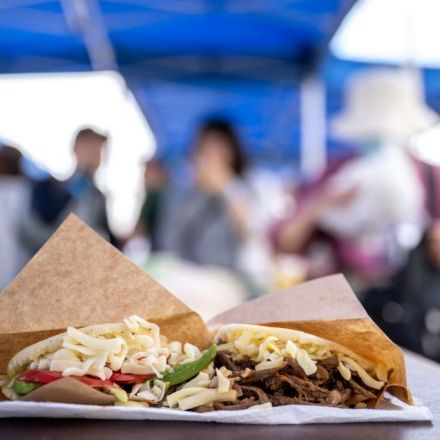
Venezuela is a prideful nation. Prideful about what? Is it the inflation or the fact that close to 25 percent of the oil-rich country’s population has fled the place? I know, the pride sounds misplaced. The average American likely thinks about their own southern border, dog-eating and communism when Venezuela is mentioned. Yet Venezuela also has the world’s tallest waterfall (Angel Falls), the most wins in the big four international beauty pageants, stunning white-sand beaches, lots of oil and award-winning rum and cocoa. Still, if there’s anything that makes me want to sing the Venezuelan national anthem, as someone who spent part of his childhood in Caracas, it’s the taste of a chicken, avocado and Gouda-filled arepa.

Iron clad: good cooking’s most essential metal

Miles Coverdale’s translation of Psalm 105 in the Book of Common Prayer elevated iron from metallurgical to literary significance. The story of Joseph being sold unjustly as a bondservant — “Whose feet they hurt in the stocks: the iron entered into his soul” — shames flaccid times like ours. And iron’s virtues excel not least of all in cooking, where it can enter literally into our bodies and, who knows, maybe our souls too. Joseph just got things started. Think of the first ironclads, Monitor and Merrimac, hammering away at each other at Hampton Roads in 1862, of the dreadnoughts that put paid to Nelson’s wooden walls, of Agatha Christie’s ironclad alibis, of the verse in Christina Rossetti’s great carol: “Earth stood hard as iron, water like a stone.

iron