Life

Life

Back to the future

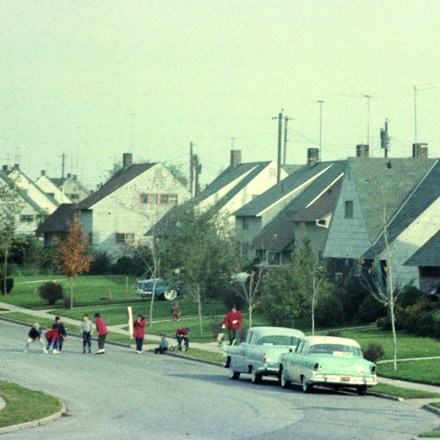
Will COVID-19 change society? If effective treatments and a vaccine are found, maybe not. After a bad year or two, the pre-pandemic status quo of dense cities, crowded subways and far-flung global supply chains might be restored, and the global plague might be forgotten as swiftly as the Spanish flu was in the subsequent Jazz Age. I don’t think so. I hope to be proven wrong, but I suspect the trauma will endure long enough to effect lasting changes in lifestyles and business models. In the United States and similar western democracies, the post-pandemic social order may seem more like that of the 1950s than the 2000s.
1950s
rick santorum

Keeping up with the Santorums

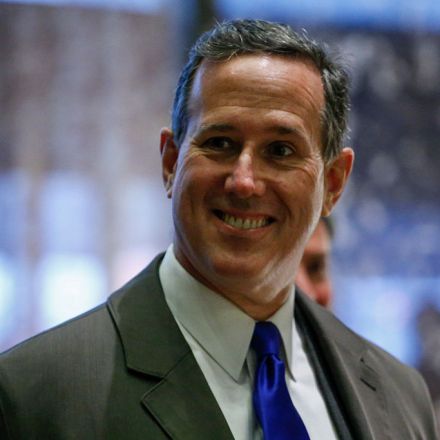
Great Falls, Virginia Former senator Rick Santorum is mopping the floor. Mrs Santorum is stamping wax thistles onto the backs of envelopes. Four of the six adult Santorum children (plus one spouse) are scattered about the house, ‘working from home’. Bridget, the live-in helper, is doting on the youngest, little Bella, who has the genetic condition Trisomy 18. I’m in the paradisal blue room, behind a stack of books, typing away with my usual four fingers. Before the plague, family members would introduce me to friends as ‘Elizabeth’s Scottish friend whom she met in Uganda, who writes for National Review’. But when my sister got engaged to one of Elizabeth’s brothers, I became ‘Daniel’s fiancée’s sister’.

Czar quality

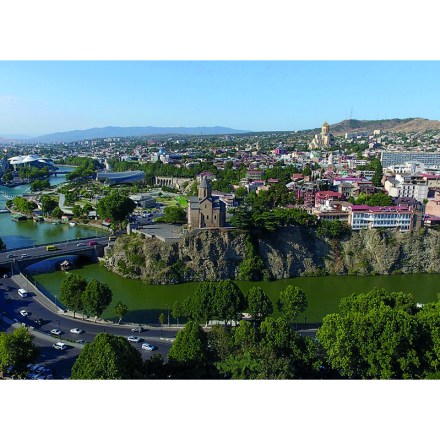
‘These regions are not under the control of the central government,’ reads a warning on a map in the bustling center of Georgia’s capital, Tbilisi. ‘Traveling to these regions is not advisable.’ One of these regions is Abkhazia, only a few hours’ drive away. The other is South Ossetia, barely an hour from here. Since 2008 both have been occupied by Russian troops, in defiance of the Georgian government. Yet here in Tbilisi, tourism is booming, and many of the tourists are Russians. This neat irony encapsulates what makes Tbilisi such a fascinating city, a looking-glass metropolis in which nothing is quite what it seems.

tbilisi georgia
eschatology

It’s the eschatology, stupid

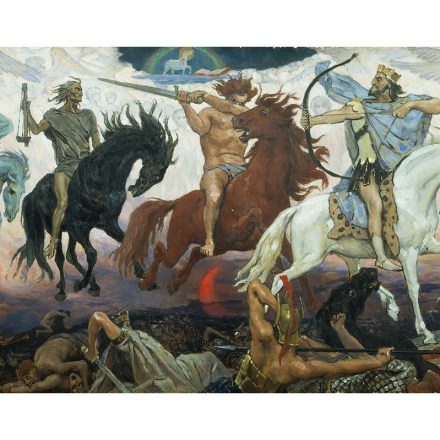
The year of our Lord 2020 did not begin auspiciously. In January, a swarm of locusts the size of Manhattan buzzed into east Africa. In Australia, wildfires that consumed 46 million acres and a billion animals reached their peak. In March, a 5.7 magnitude earthquake struck Utah, knocking a trumpet from the hand of a golden statue of the angel Moroni atop Salt Lake Temple. In April, a 2.5-mile asteroid grazed past Earth. And there was something called the coronavirus. While all that was happening, the US saw a spike in Google searches for the term ‘apocalypse’.

A June election in Genesee County

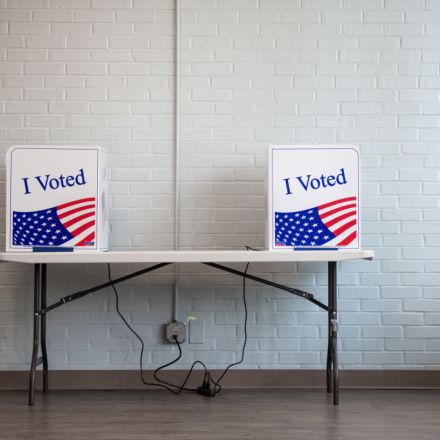
Batavia, New YorkWhen our daughter was growing up, she and I would sit on the front porch every summer solstice and read the opening chapters of Ray Bradbury's Dandelion Wine, as fine an evocation of a childhood summer as has been written. True, dandelions are a May flower — don't you dare call them weeds! — but old Ray had earned his literary license. A stiff shot of dandelion wine would be welcome fortification for those of us voting in the special congressional election in the 27th district of New York on June 23, coincident with our state's presidential primary. That day we will choose the successor to the disgraced Republican resignee Chris Collins, who has yet to begin serving his 26-month sentence in the federal pen for insider trading.

election
plantation

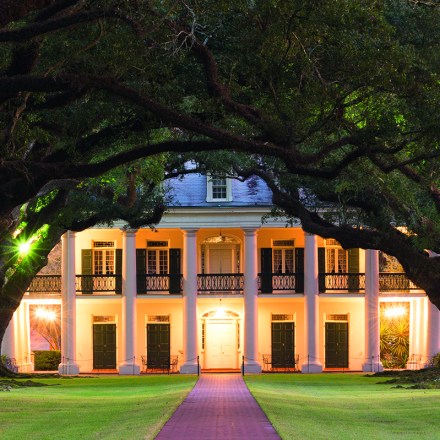
Horrors of the plantation

I am not American and I am not descended from British slave owners, but I was shocked when I read a letter from the 1860s that my Irish great-grandfather wrote to his brother from Peru, acknowledging receipt of a ‘shipment of Chinese coolies’ in the guano trade. John Cummings III of Louisiana is also of Irish origin, and his ancestors never owned slaves either. But in 2014, Cummings, a retired lawyer, and his wife Donna used $8.6 million of their own money to create the Whitney Plantation Museum at Wallace, just under an hour from the French Quarter of New Orleans. The Whitney museum is America’s first and so far only museum of slavery. My cousin and I drove there from New Orleans on a bitter winter’s day. There is no café.