
Previous magazine Next magazine

Latest issue

It’s the corruption, stupid

Browse past issues

Food & Drink

Food and Drink

Roadside produce stands: the last enclave of social trust

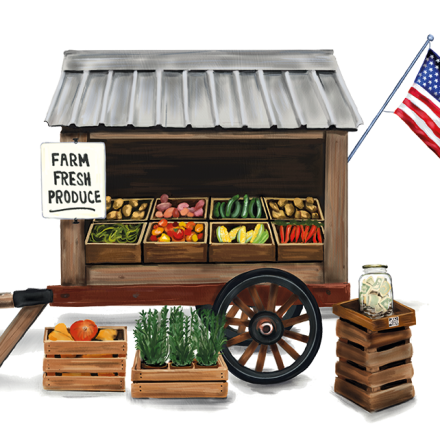
One of the more dystopian aspects of modern life is that in nearly every major American city, you cannot simply walk into a convenience store to buy something. Instead, you often have to ring a small bell and wait for a clerk to come unlock your tube of toothpaste or bottle of shampoo from behind a glass case. This is considered normal, even sensible, in a cultural moment where social trust hovers around a record low. One place this doesn’t feel normal, however, is at America’s many local farm stands. The roadside farm stand emerged in the early 20th century as automobiles became more widespread. Traditionally, farmers would set up small tables or wagons to sell surplus produce, eggs and dairy goods to passersby.
An excuse to drink

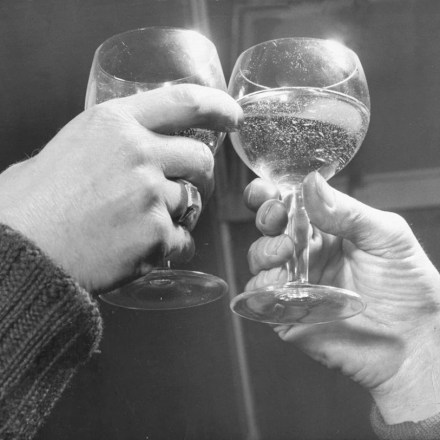
We have only fragments of The Satyricon by Titus Petronius (AD 27–66). The centerpiece of the narrative that survives is the so-called “Cena Trimalchionis,” the banquet of Trimalchio in which a dazzling array of exotic foods and rare wines are paraded before a handful of gratefully stupefied guests. While the host of this feast was the aforementioned Trimalchio, the narrator was a young buck called Encolpius. He is appropriately amazed by the delicacies and potations that appear one after the next before him. The Satyricon is a work of satire (Menippean satire for those keeping track). The antics recounted are recited partly tongue in cheek. Everything is turned up to eleven. The point is parody.