
Food & Drink

Food and Drink

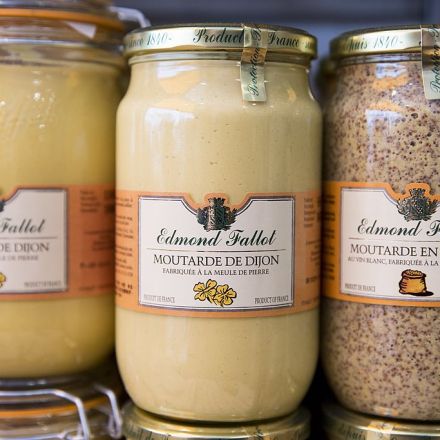
The glorious versatility of Dijon mustard

Not just salami, air conditioning and dental fillings: among their many contributions to civilization, the Romans also gave us Dijon mustard. Somewhere about the 4th century, it seems, the vinegar makers of Dijon were granted the right to use the exclusive mustard recipe composed by Palladius, son of Exuperantius, Prefect of the Gauls (or so Samuel Chamberlain informs us in his Bouquet de France of 1952). Palladius was one of those fascinating Roman gentleman-farmers who are also poets and scientists. He owned farms in Italy and Sardinia and had a particular interest in fruit trees. He penned a popular treatise on agriculture that stayed on the best-seller (or at least most-read) list until well into the Middle Ages.
Why is the wine industry dying?

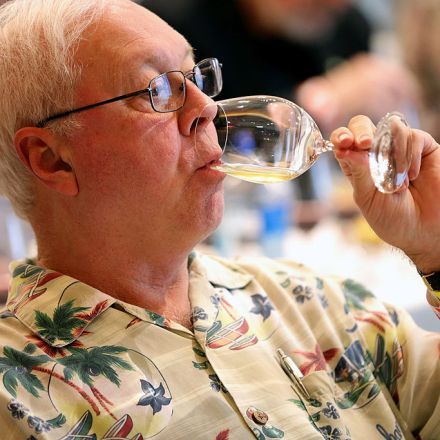
Most wine columns resemble recipes from Larousse Gastronomique or Mastering the Art of French Cooking in this way: they have happy endings. This column, alas, proceeds with a melancholy burden. The world of wine, it pains me to report, is in the doldrums. Is it because of a new infestation of phylloxera, the blight that devastated French vineyards in the 19th century, or some other pest? Is it some novel tyranny of teetotalers, outlawing the production and consumption of wine? No. It is something closer to original sin or what Immanuel Kant on a dreary afternoon called “the crooked timber of humanity” out of which nothing straight can be fashioned. In short, it is the news that the wine industry itself is dying. Why?