The politics of long hair
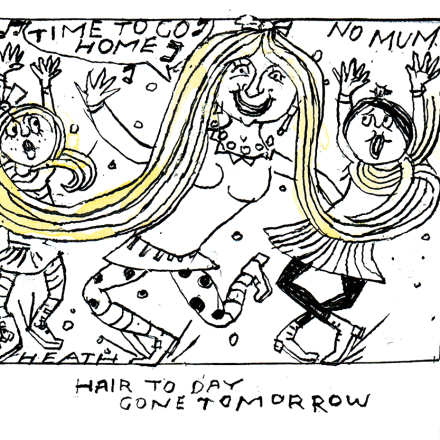
What is the literal cut-off point for women having very long hair (and by “long” I mean where it almost goes into the toilet bowl)? Thirty? Forty? Fifty? Try 65 – the age I turned this year. If this strikes you as grossly inappropriate, in theory I’m with you. The unspoken rule is that the older you get, the shorter your hair should be. Nobody within ten or even 20 years of me has hair as long as mine. What can I say? As with wearing inappropriately colored nail polish, it is just another small act of defiance women d’un certain age can employ to remind this cruel world that we do actually still exist. My hair has been this length for so long it has become a part of my identity: how I see myself in the universe. I am my hair and thus find it hard to imagine life without it.