Food & Drink

Food and Drink

‘Corporate agriculture’ is wrong about cows and methane

In the 1960s, scientists discovered that halogenated compounds such as chloroform and bromochloromethane could inhibit methane-generating microorganisms, also known as methanogens. This was important because agricultural scientists were trying to make livestock farming more efficient. Ruminants (cows, sheep, goats, deer, giraffes) produce the gas methane when they digest plant matter. Scientists reckoned between 2 and 12 percent of all the energy from feed was being lost as gas. If they could reduce methane production, they could increase yields of meat, milk and other products. In one experiment, feeding chloroform to sheep reduced their methane emissions by between 30 and 50 percent. The results were even more dramatic with bromochloromethane: a reduction of 70 percent.

How I lost 50lbs eating at McDonald’s

Eating regularly at McDonald’s over the past nine months, I have managed to lose 50lbs and ten inches off my waist, and I’m still counting. Yes, you read that correctly. Like many Americans, I have been trying to lose weight to no avail. I completely changed my diet, eating only vegetables, apples and microwavable, low-calorie, diet meals. And again, like many Americans, after months and years of discipline, restricting my portion sizes and eating like a rabbit, the scales wouldn’t budge. I had made so little progress that I had given up trying. Dieting is expensive and time-consuming and I didn’t realistically have the time or the money to do it, especially if I wasn’t seeing results. I work very odd hours and don’t have time to meal prep or cook. So I gave up trying.

The proof is in the glass

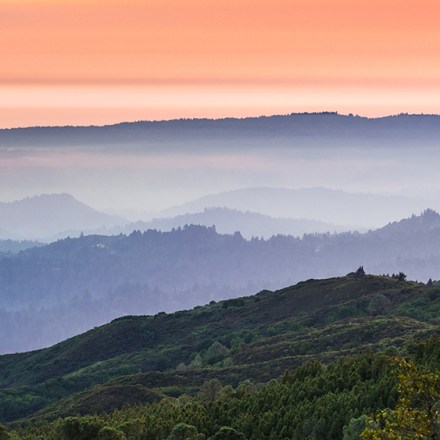
Here we are at the beginning of a new year. Since I don’t have any childcare “learing centers” to offer my readers, I thought, the weather being frigid here in the northeast, I would reach out with the warmth of – no, not “collectivism,” to which I am allergic – but of some recent discoveries in the world of wine. Much cheaper, believe me, and much more palatable. It is only fairly recently that the Santa Cruz Mountains have come into their own as a California wine-producing region. I was deeply impressed by the 2021 Estate chardonnay from Rhys Vineyards. Sourced from three spots in the mountains, with elevations ranging from about 700 to 1,400 feet on a variety of soil types, this chardonnay is exceptionally well-structured.