Music and Opera

Our curation of music and opera reviews

Fans of George Eliot are in for a shock: Bird Grove at Hampstead Theater reviewed

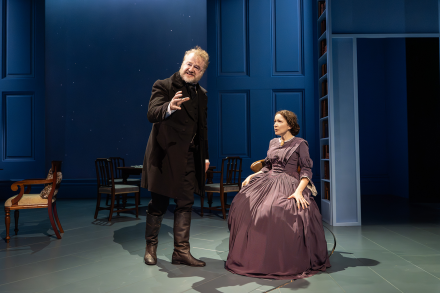
Bird Grove by Alexi Kaye Campbell is a comedy of manners set in 1841. A portly suitor, Horace, arrives at a respectable house intending to propose to a rebellious and brilliant 22-year-old, Mary Ann. Horace’s father is dying and he must find a bride before nightfall or lose a substantial legacy. This ludicrous but very human situation starts the play. It’s instantly gripping. Mary Ann is in the drawing room being treated for headaches by a French mesmerist along with two wealthy radicals, Mr and Mrs Bray, who encourage her political activism. Her father, Robert, introduces his guests to each other and invites them to stay for tea. This fascinating glimpse of her early life shows George Eliot as a surly, arrogant, spoiled and heartless pest A hilariously awkward party ensues.

‘I didn’t expect to love Wagner’

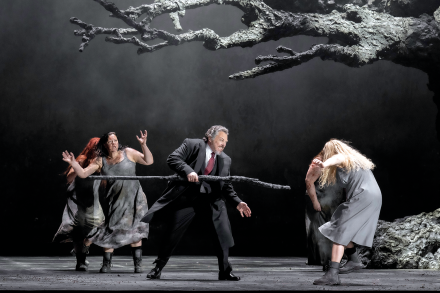
By the end of Siegfried, the third opera in Wagner’s Der Ring des Nibelungen, the king of the gods is in freefall. In the first opera, Das Rheingold, Wotan is a confident protagonist; a world-builder. In Die Walküre, we’ve seen him discover the limits of power, and felt his heart break. Now, in Siegfried, he’s a haunted figure; the solitary Wanderer, searching the world for answers that his all-powerful wisdom can no longer supply. He confronts the young hero Siegfried, and his law-giving spear shatters on the sword of a reckless, clueless boy. "All he can say is, 'Go, then. I can’t hold you any more,'" says Christopher Maltman, who has sung the role of Wotan throughout the Royal Opera’s current Ring cycle, and brings it to completion when Siegfried opens later this month.

Eye-catching but superficial: ‘Wuthering Heights’ reviewed

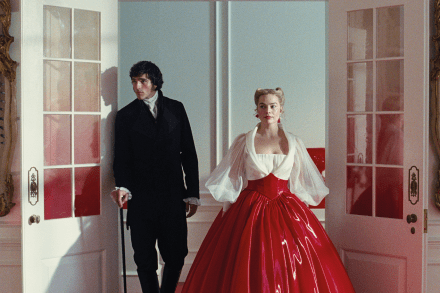
Emerald Fennell’s "Wuthering Heights" had purists losing their minds from the get-go. They lost their minds at the casting – Margot Robbie is too old for Cathy; Jacob Elordi is too white for Heathcliff – and then lost their minds at the trailer, which is all heaving bosoms and kinky vibes set to Charli xcx beats. But Fennell has made it clear that it is her vision of Emily Brontë’s novel, hence the quotation marks around the title, and that she wants it to feel as she felt when she first read the book at 14 years old. I was willing to cut her considerable slack but did her 14-year-old self, I had to wonder, make it to the end? Who, in their right mind, would sell it as a Valentine’s date film if they had? I may be on #TeamPurist here.

The golden years of David Bowie

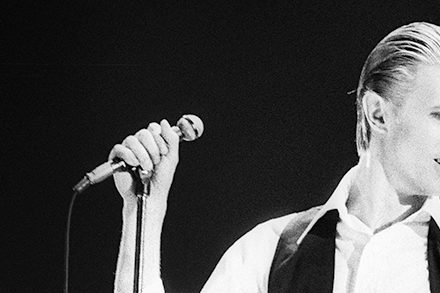
This year marks the anniversaries of two of David Bowie’s most compelling and powerful albums: 1976’s Station to Station and 2016’s Blackstar. Given that they are often – rightly – described as Bowie’s crowning artistic achievements, amid severe competition from his other releases, they also have the intriguing fillip that both were originally released in January: a fortunate time for the musician, who was born on January 8, 1947, even if it was also the month in which he finally departed this Earth. Yet the comparisons between Station to Station and Blackstar, which came out 40 years apart, are far more pervasive – and persuasive – than the serendipity of their release dates.

david bowie

This Christmas, listen to Mary Did You Know?

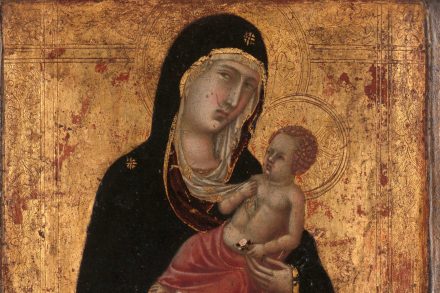
A popular and poignant Christmas song, written late in the previous century for a church’s holiday program, incites passionate criticism from those who disagree with the way it phrases its message. Since first being recorded in 1991, “Mary, Did You Know?” has been performed by soloists and groups ranging from Carrie Underwood and Dolly Parton to Pentatonix, CeeLo Greene and Kathleen Battle. The lyrics are a series of questions to Mary, Jesus’s mother, asking whether she knew during his infancy about the profound impact he would make as an adult. Yet that powerful literary device annoys those who believe the song demeans its subject.

Arcade Fire extinguished

Amid the many disappointments and commercial flops the music industry saw this year, perhaps the most egregious was the complete failure of Arcade Fire’s album Pink Elephant. The failure represents not merely the probable end of the band, but also the death of Obama-era rock. Pink Elephant received dismal reviews and didn’t even chart on the Billboard 200. Given that their last album, We, reached #6 as recently as 2022, and their previous LPs, Reflektor and Everything Now, topped the charts, this is a near-unparalleled fall from grace for a once-mighty act. That the married pair who compose the nucleus of the band, Win Butler and Régine Chassagne, announced their separation a few months later was the particularly rancid icing on the already-stale cake.

arcade fire
bob dylan

When Dylan went folk

For all the billions Taylor Swift has made from guiding her career into carefully delineated “eras,” it was Bob Dylan who pioneered this career path. With practically every new album, Dylan traded one persona for another. There’s the folkie hobo of The Freewheelin’ Bob Dylan, the pill-popping beat poet of Blonde on Blonde, the cleaned-up country crooner of Nashville Skyline, the Christian revivalist of Slow Train Coming and many, many others. This year marks the 50th anniversary of Dylan’s The Basement Tapes, a tranche of previously unreleased hoedowns, goof-offs, shaggy-dog stories and barroom ballads that was never meant to be a proper album, but might be the closest we can get to seeing the man behind the mask.