
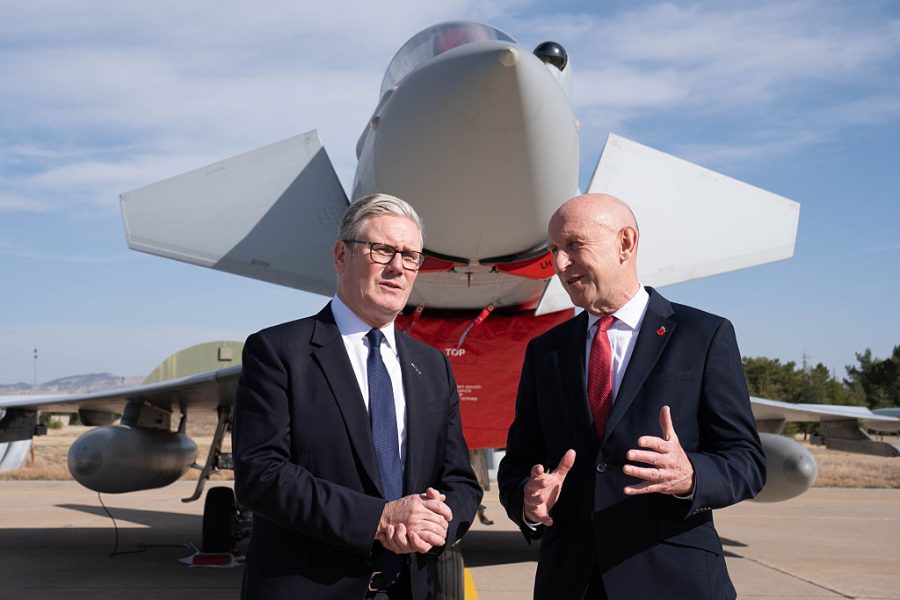
After a week of government paralysis, it appears something has finally broken the deadlock: John Healey has resigned as Defence Secretary. In a withering letter to Keir Starmer, Healey accused the Prime Minister of being ‘unable’ and the Treasury ‘unwilling to commit the resources that the nation needs to defend the country at this time of rising threats’. The Defence Investment Plan (DIP), he said, ‘falls well short’ of what Britain’s defences need.
In his letter, Healey revealed that he was first given sight of the final DIP settlement on Monday, which revealed that support would be backloaded and rise to just 2.68 per cent of GDP in 2030. This falls well short of the 3 per cent by 2030 that Healey has been pushing Starmer and Chancellor Rachel Reeves to commit to.
Healey’s resignation is the culmination of a three-way stand-off between the Treasury, No. 10 and the MoD. This has been the reason for the DIP’s delay since the autumn when it was originally meant to be published. The Defence Secretary’s resignation letter exposes the degree of animosity that has grown between him and his colleagues.
It is an unforced error on Starmer’s part that he now finds himself in a race against the clock
Starmer and Chancellor Rachel Reeves have been adamant that the MoD will receive no more than £13 billion to fulfil the recommendations of last year’s Strategic Defence Review (SDR) over the coming four years. Healey insists that £13 billion is nowhere near enough to plug existing gaps in defence spending, let alone propel Britain’s rearmament forward.
Healey had clearly been hoping for a figure of at least £28 billion – the amount the MoD believes the department needs at a minimum to meet forecasted costs over the rest of this parliament. To fund the full recommendations of the SDR, however, some have suggested that the MoD would actually require somewhere in the region of £60 billion a year.
The pressure to give the MoD more than £13 billion has not been coming from Healey alone. Last night, chief of the defence staff Sir Richard Knighton is reported to have written to the Prime Minister to express his concerns over how little funding was due to be allocated. There is also the question of how Starmer can face international allies if he gives so little to Britain’s defences.
In what now looks like a substantial own goal, at last July’s Nato summit the Prime Minister committed Britain to spending 5 per cent of GDP on defence by 2035, in line with other members of the alliance. According to Nato figures, Britain ended up spending just 2.31 per cent of GDP – around £70 billion – on defence last year. By next year, Starmer insists he is still aiming to spend 2.5 per cent of GDP – although how this would be remotely possible with a DIP that allocates just £13 billion is unclear, given that an extra £3.25 billion a year is not enough to push spending up to meet this target, let alone the more ambitious ones in the coming years.
Last week, it was briefed that Reeves and Starmer were in large part furious with Healey after he ‘broke a promise’ not to ask for another rise in defence spending this parliament in return for the Prime Minister’s commitment to raising defence spending to 2.5 per cent of GDP. When Healey revealed the existing £28 billion shortfall just before Christmas, Starmer and Reeves claimed to be ‘absolutely livid’.
But the case for the Chancellor and Prime Minister’s claim to be blindsided by Healey is weakened by the Treasury’s own paper trail. Rachel Reeves’s 2025 spending review – updated last June – stated that ‘Nato qualifying defence spending will rise to 2.6 per cent of GDP by 2027, with an ambition to reach 3 per cent in the next parliament as economic and fiscal conditions allow’. This simply doesn’t add up with the claim that Reeves at Christmas was under the impression that defence spending would be rising no higher than 2.5 per cent by next year.
Starmer now has an urgent vacancy to fill in the Ministry of Defence – will Luke Pollard, currently minister for defence readiness, be offered a promotion? Or is this even the moment Al Carns, minister for the armed forces and potential Labour leadership hopeful, steps into the breach? Speaking on Times Radio this lunchtime, Carns shut down the DIP as ‘not fit for purpose’, adding that Starmer has ‘got to sort this out’. One industry source texts to say that ‘none of this matters’ given that Starmer is likely to be pushed out by his main rival Andy Burnham following next week’s by-election in Makerfield.
This morning, there were still suggestions (and an expectation among the industry sources I’ve been speaking to) that Starmer would announce some headline figures from the DIP during a visit to a drone testing centre in Swindon tomorrow. That looks very unlikely now.
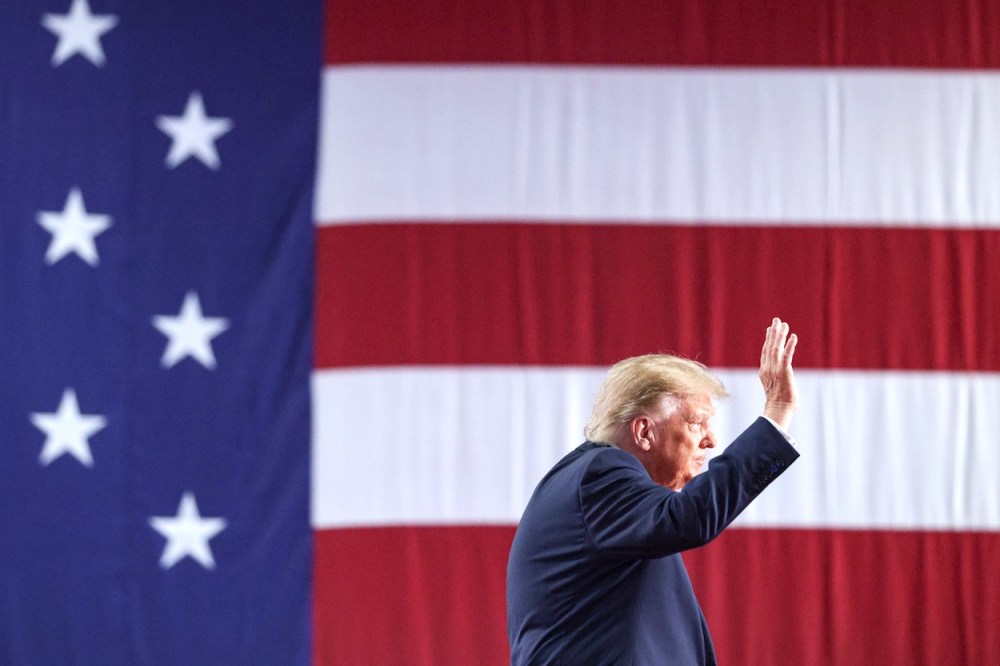
Starmer now finds himself in multiple races against the clock. On Monday, the Prime Minister is off to France, where he will meet with Donald Trump and the rest of the G7’s leaders – many of whom already view Britain’s failure to adequately boost defence spending with growing alarm.
On Thursday, Nato defence ministers are due to meet in Brussels ahead of the main leaders’ summit in Turkey on 7 July. Who will go in Healey’s place? There is every chance that Nato allies in Ankara may choose to further scrutinise the DIP in whatever form it has – or hasn’t – been released.
It didn’t have to be like this. Healey’s letter makes this clear. And now the topic of Britain’s defences has just got much thornier for Starmer.






Comments