
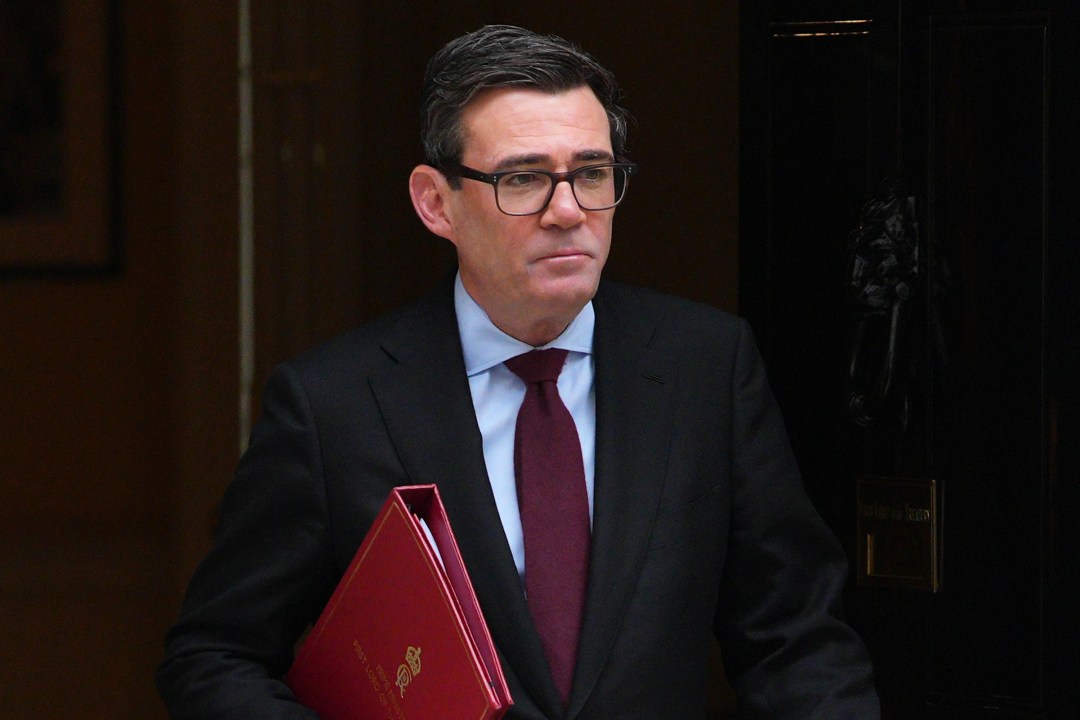
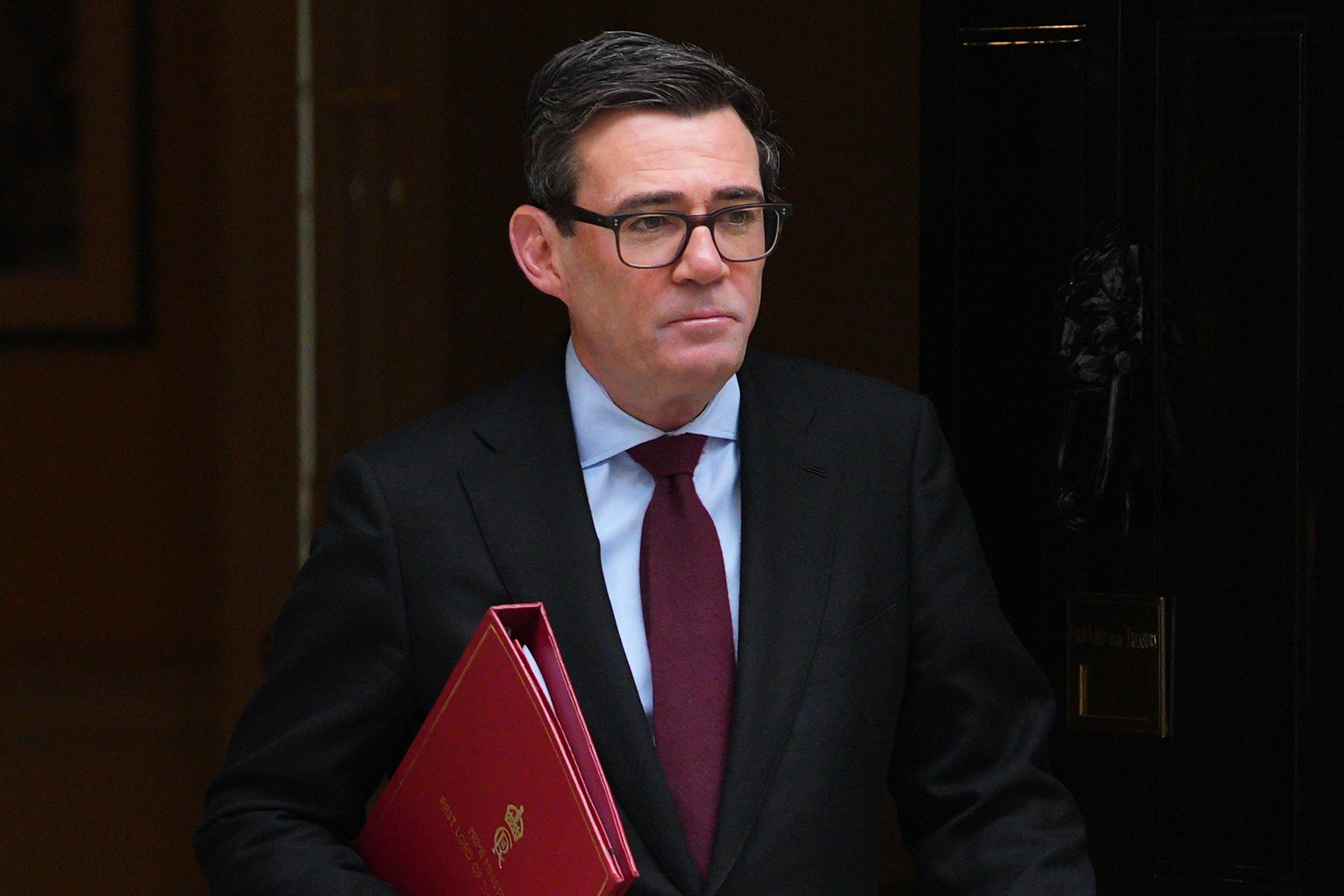
Did Andy Burnham really mean it when he said he would cut the welfare bill to fund the defence budget? That was the promise that the Prime Minister made before he was even re-elected to parliament earlier this year, saying in an interview during his by-election campaign that ‘I am not squeamish about saying that the plan would be to reduce the welfare bill.’ He was specifically linking that reduction to the money needed to reach the spending targets for defence that, just 24 hours before, John Healey had resigned as defence secretary in protest at the Starmer government failing to meet.
In his second Prime Minister’s Questions, Burnham delighted Kemi Badenoch by saying that ‘national security cannot come at the expense of social security’. And by this week, he was merely saying that ‘I will do everything I can as quickly as possible to get the welfare bill down’, and wouldn’t commit to that going down in this parliament. That doesn’t suggest a huge amount of confidence that his plans for Neets will be what delivers the money to enable the government to meet 3 per cent of GDP spent on defence by 2030, given this parliament is expected to end in 2029. Alan Milburn himself has been clear that any savings will take the best part of a decade to manifest.
So is the cut to welfare to fund defence promise over? Keep an eye on how often Burnham wants to say that himself. He is much more focused at the moment on dismissing the idea of a ‘cuts-only approach’ to NEETs at least, but he himself has linked benefits to bombs, so he’ll either have to delink them, or show us where else in the welfare budget he plans to find the money earlier.
The Milburn report is only part of the government’s examination of welfare reform, though Burnham has also suggested that the approach could be extended to over-25s as well. Ministers are also waiting for the publication of the Timms review into the £28 billion personal independence payment, which is expected to recommend a new system for helping people with the costs of disability and long term health conditions. Does Burnham plan to get the savings from those benefits instead? It seems unlikely: disability benefits are the hardest and most emotive to cut. Unemployed young people are, politically speaking, much easier to get savings from. Burnham has chosen not to, and he might well be morally right in his approach. But he may also regret suggesting that it was welfare where he’d find the money in time to meet the pledges he wants to keep to the armed forces. It was never going to be easy to pursue genuine reform and make big cuts at the same time. Perhaps he was being naive when he linked welfare and defence. Perhaps it just worked for the point of his campaign to get into Downing Street. Either way, even if the Prime Minister doesn’t want to frame the debate in this way any more, there are plenty of others who will, including within his own party.





Comments