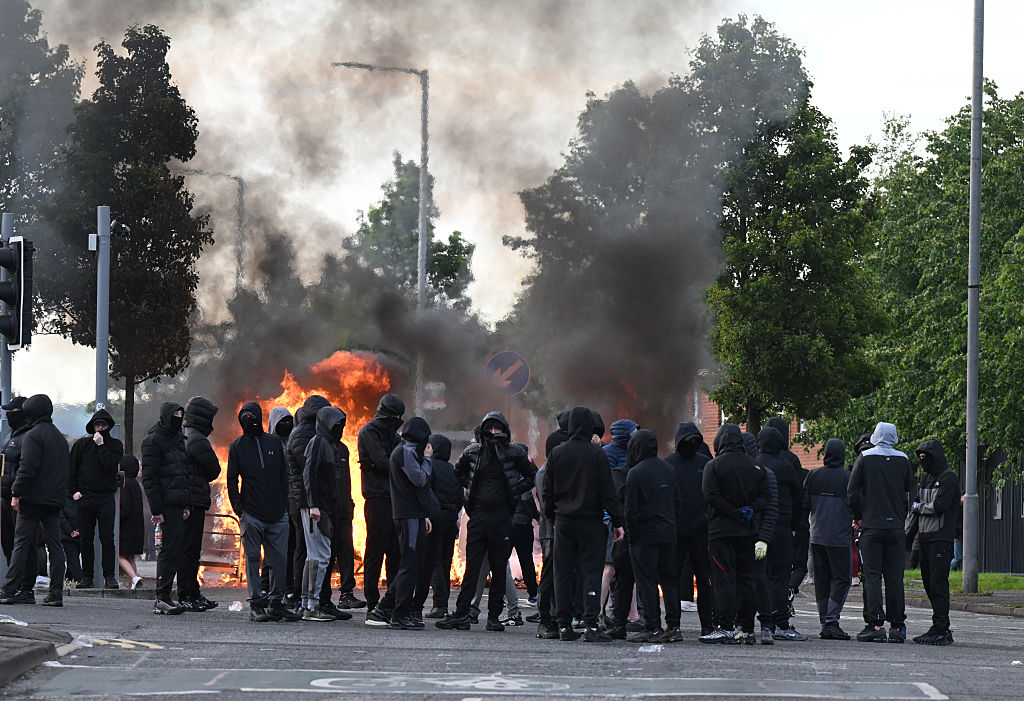
Monday’s alleged attempted beheading in North Belfast was not the first time an act of brutality has taken place in the area. During the Troubles, it was one of the most violent and dangerous parts of Northern Ireland. Robert Curtis, the first British soldier to be killed in the Troubles, was shot by the IRA in New Lodge. North Belfast was also the grim stage for many of the brutal sectarian killings carried out by the Shankill Butchers.
In North Belfast, the loyalist ceding of ground to nationalists has been compounded by the impact of immigration
It is a deeply deprived part of the city and the population shifts and turmoil of the late 1960s and early 70s turned it into an ethnic and confessional maze. Terraced houses in Catholic and Protestant areas wearily rub up against each other, giving this part of the city the quality of a Coronation Street with peace walls.
It has also had its own Ulster version of demographic change, with the area’s Catholic population now larger than its Protestant one. Thirty years ago, North Belfast returned an Ulster Unionist MP with a comfortable five figure majority; since 2019, it has been represented by Sinn Fein’s John Finucane.
On reading that the alleged attacker had been beaten away from his victim by a man with a hurling stick, it was immediately clear the incident had taken place in a republican and nationalist part of North Belfast.
By contrast, the areas where the subsequent rioting and burning of homes took place – like the Newtownards Road in East Belfast, where the kerb stones are very much red, white and blue – were staunchly unionist. Indeed, there has been anecdotal reporting that in one part of North Belfast, nationalist residents watched on from afar as loyalist youths started rioting.
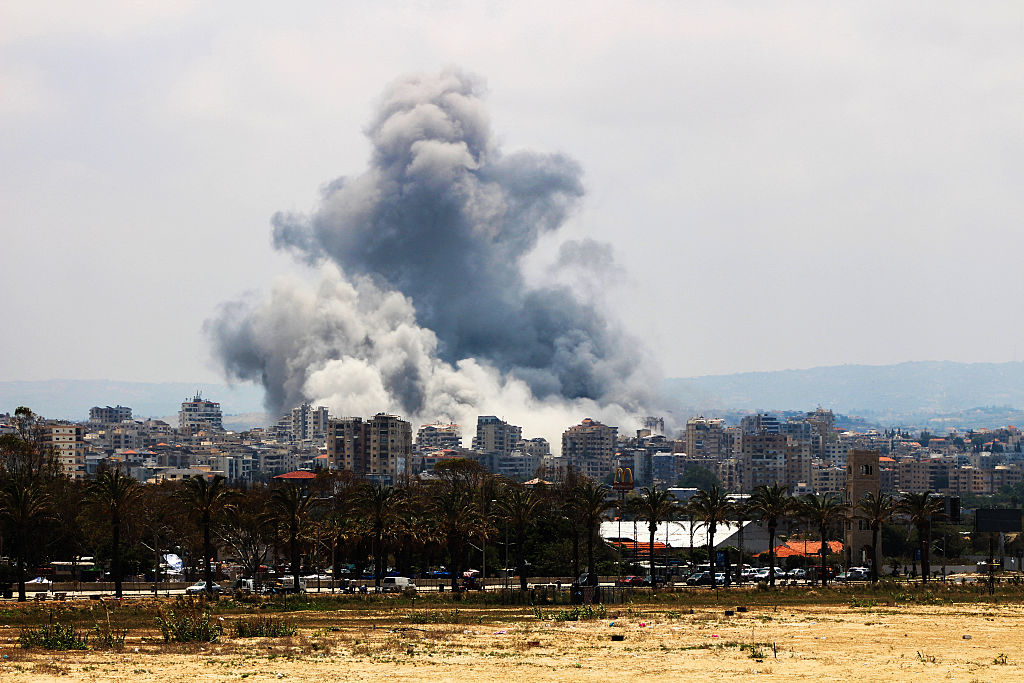
While there have also been reports of some nationalist and loyalist rioters joining forces in East Belfast, it is loyalists who have been at the centre of the disturbances, despite the crime being committed in a nationalist part of the community.
Why is it loyalist youths predominantly rioting in the city?
A feeling of insecurity has long been part of the Ulster loyalist mindset, particularly in working class parts of the city, where there are neighbouring Catholic and Protestant populations. And in North Belfast, the loyalist ceding of ground to nationalists has been compounded by the impact of immigration.
The 2021 census showed that 3.4 per cent of the Northern Irish population belonged to a minority ethnic group, a figure which has doubled since 2011. As in the rest of the UK, many of these new arrivals have been directed to deprived areas with strained housing, job opportunities and amenities without much thought from the Home Office.
Anti-immigration violence has become an increasing feature of loyalism in recent years – with rioting in 2024 and 2025 in response to Southport and Ballymena. Given this, the response to the alleged beheading was almost priced in. By contrast, the response has been markedly more subdued in nationalist areas.
Rather than engaging with the details – the lead suspect, who has been charged, is a Sudanese man who took a flight from Paris to Dublin and then a bus to Belfast, and was immediately granted leave to remain – nationalist leaders have focused on the effects.
There was a dark irony in Gerry Adams of all people condemning retaliatory violence in response to the crime. Colum Eastwood and Claire Hanna of the SDLP have intoned at length about the meddling hands of English politicians and social media in stirring up trouble.
Their response is an effective resignation from political and social reality. Irish nationalism relies on tales of famine and migration and supposed colonial oppression to justify its existence. Engaging with the challenges posed by unfettered immigration is therefore intellectually and emotionally uncomfortable for Sinn Fein, the SDLP and the rest of the nationalist constellation.
However, below the surface, there appears to be some pushback to the official nationalist commitment to kumbaya politics. Protests and violence in response to immigration are on the rise in the Republic – indeed, a march calling for a referendum on the EU Migration Pact took place on Wednesday. The Irish Republican Socialist Party has also said that Sinn Fein is ignoring working class concerns about immigration.
Avoiding the conversation can only serve political nationalism for so long. If the structural failings of both governments in Dublin and London on immigration continue – and incidents similar to the events of Monday happen again in nationalist and republican areas – then the potential for genuine cross-community rioting cannot be discounted.




Comments