President Trump has what he so dearly craves; the attention of the global media and the world hanging on his every word. As time ticks down to Donald’s deadline, after which he is threatening to commit war crimes on an unprecedented scale against the Iranian people, the gap for negotiations narrows and the likelihood of a US ground invasion into Iran widens. We should be honest about the talks’ chances of success: very low. At present it is likely that negotiators are seeking only to find common ground, however thin, from which a pause in fighting can be agreed upon. We are talking here about the foothills of a framework of an agreement. That’s a million miles from a deal that will satisfy the White House’s demands. And for all that oil.
The Islamic Republic can win a military confrontation by simply staying alive
There is very little chance that Iran would begin any negotiation in the middle of a war by offering up its oil and control over the Strait of Hormuz. Firstly, because that is its most important card, and secondly, because they feel confident that they can exhaust the US’s missile defenses in the region, drive a wedge between the US, Israel and the Gulf. Iran will be seeking incremental assurances from the US as signals that they can enter into talks in good faith. And the Islamic Republic, crucially, feels that it is winning. Not a recipe for a swift deal. Or any deal.
This, in turn, brings us face to face with a US ground incursion into Iran, most likely on to Kharg Island, a significant scrap of land off Bushire. The British Navy once occupied the island in 1856 when it was fighting its own, ultimately fruitless, conflict with Qajar Persia over who controlled the city of Herat, in present-day Western Afghanistan. The occupation of that island by Major General Stalker and his men and their ruinous incursion into Bushire had the desired impact; Qajar Persia called off the siege of Herat, and a line was drawn under the question of ownership of that fabled city. Then, however, is not now.

Since 2001 the Islamic Republic has had a hand in funding, training and fighting alongside pretty much every insurgent and terrorist group in the Middle East. From Yemen to Iraq, from Afghanistan to Lebanon, Syria and Gaza, Iran knows how to fight against occupying forces; it created some of the deadliest Shia militia groups in Iraq that killed scores of Western troops. It trained and equipped the Taliban in Afghanistan; it has seen US and Israel troops up close and personal in different theatres, Syria being the most consequential and recent. The IRGC is a formidable adversary many of whose members would be only too happy to welcome US and Israeli troops into a bloody quagmire across a country they know better than anyone. The al-Qaeda playbook was very simple; drag the US into a conflict in Afghanistan, via 9/11, and bleed them dry. It worked for the Soviet Union, and could, one imagines, work here in Iran.
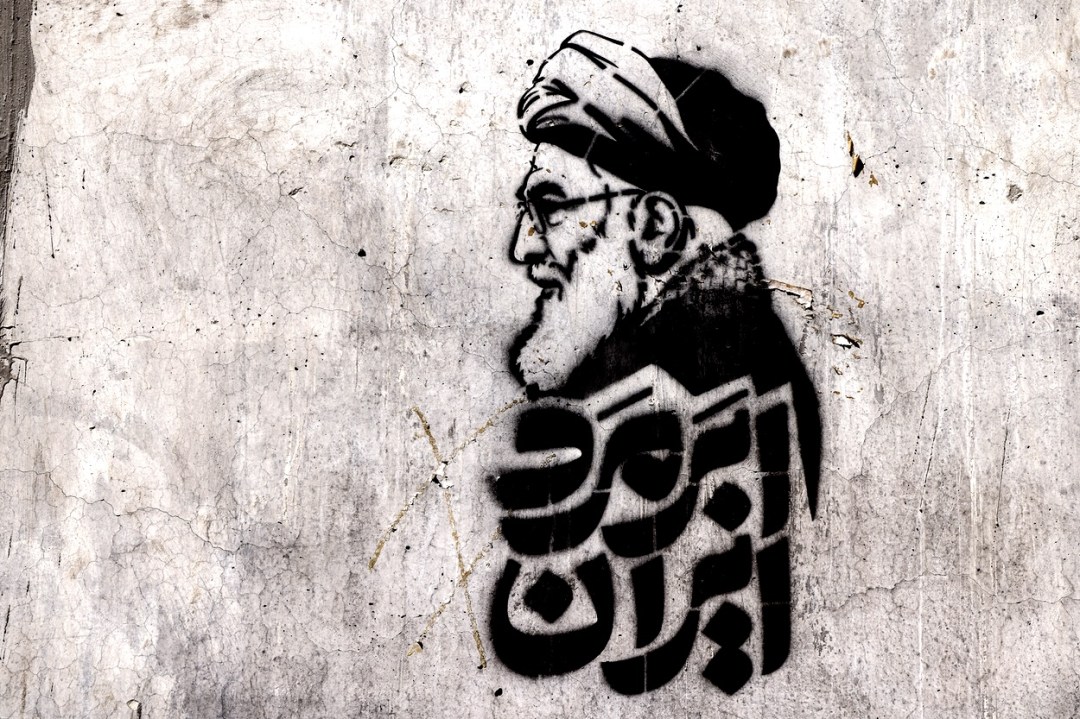
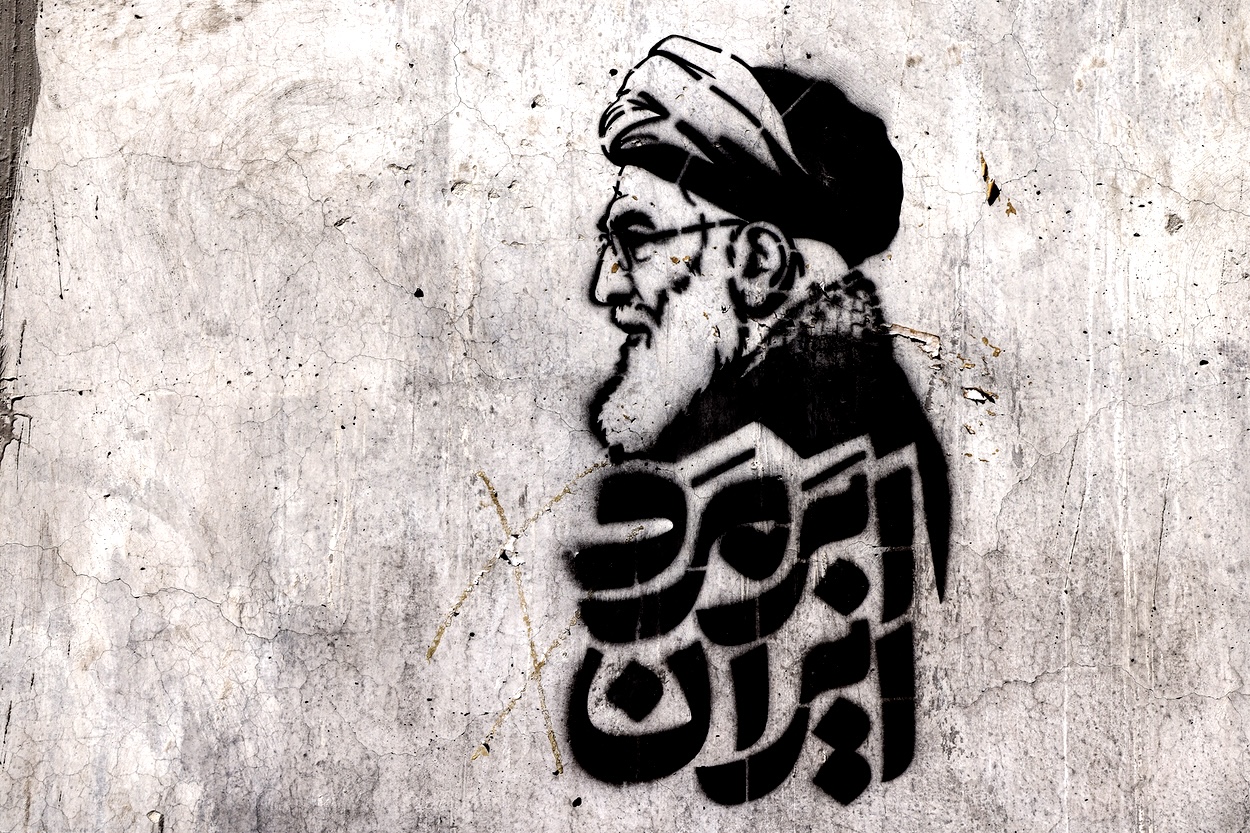
This is not a war that can be won militarily. Not a war in which US interests can be achieved through continuous escalation; each step up the ladder the US takes, Iran will take one more, confident it has a higher threshold for economic and political pain. US targeting of Iranian critical national infrastructure could well lead to Gulf desalination plants being targeted, effectively raising the risk of a whole region dying of thirst. The more the US and Israel strike Iranian targets, the more Iran will hold on to its primary leverage (the Strait of Hormuz), cleave to its allies (China and Russia) and entrench the IRGC at the top of a kleptocratic military junta. All the while, Iran’s leaders will continue oppressing their people into deeper misery. The Islamic Republic can win a military confrontation by simply staying alive.
There has rarely been a more important moment for Steve Witkoff and his team to see clearly, negotiate sensibly and realise just what is at stake here. Not just the chance to avoid a massive calamitous military mistake, but also the chance to avoid the United States losing its moral standing on the world stage. Striking Iran’s critical national infrastructure would be a flagrant violation of the Law of Armed Conflict and perhaps even call into question the nature of other Western countries’ alliances with the US.
Whatever happens in the next 12 hours, we risk seeing all parties losing control of this conflict. What began in a hail of missiles and a jumble of contradictory reasonings risks becoming farce. US strategic objectives – sometimes “regime change,” other times a deal – lack coherence. As much as it might pain the US, they must start to see negotiations as the only way out of this mess. Negotiations from a position of parity, not supreme overlordship. No one is in control of the war; a negotiated settlement can at least restore some measure of control and ease the suffering of the Iranian people.





Comments