
It feels like the 57th day of January. Last week the coldest temperature of the winter so far (-12.5°C) was recorded about 20 miles west of my house. And according to every newspaper and social media feed I have scanned since new year, I should be purging my body of toxins by eating ‘plant-based meals’, abstaining from alcohol or otherwise giving up any semblance of comfort and joy.
But there is another way. This may be ‘the worst time of the year… the very dead of winter’, as T.S. Eliot described the season in ‘Journey of the Magi’, but we are still in Christmastide – right up until 2 February, or Candlemas.
Twelfth Night used to be about fun and misrule, incorporating elements of the Romans’ midwinter festival Saturnalia. Now, the only orgy permitted is one of dusting decorations and denuding the house of every last twinkly light. But the ‘rule’ that taking down the tree has to happen on Twelfth Night is a fairly modern one. Traditionally, decorations stayed up until February – as described in an early 17th century poem by Robert Herrick:
Down with the rosemary and bays,
Down with the mistletoe;
Instead of holly, now up-raise
The greener box for show
Today, however, this custom is really only observed by Roman Catholics. I’m a fairly idle Catholic, but it’s a tradition that I embrace – and not because I am lazy and sluttish (although I am). There’s a natural Cromwellian gloom that descends after the festivities, and there’s no need to add to it in the collective self-flagellation that begins in January.
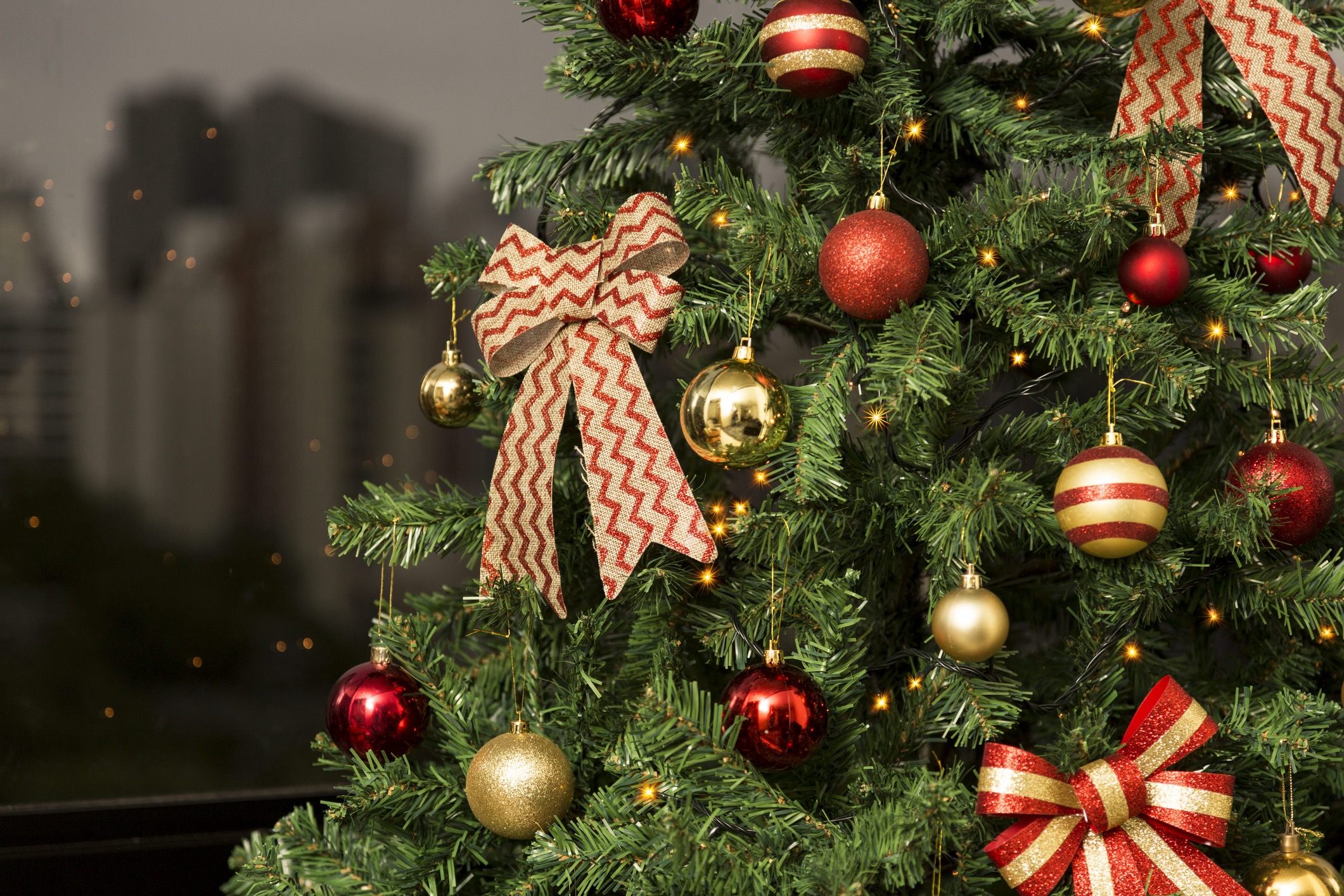
As fellow Spectator contributor Melanie McDonagh puts it: ‘Twelfth Night concludes the festivities, but we go on in a mildly festive mode throughout January.’ What this means in our house is that I leave the crib up in the hall and the Christmas tree twinkling away in the drawing room. Thanks to the popularity of the Nordmann fir, the pine-drop and depressingly bare branches of my 1980s childhood don’t exist any more.
The paper chains and cards invariably come down when I’m short of newspaper to get the wood-burner going, but I’ll continue to bring evergreens into the house to stick behind picture frames and drape over the fireplace. There are three ceramic tea-light kings twinkling on the hearth, too. They make me happy at a time when spirits can flatline very easily.
I’m fuelled by leftover Christmas cake (if you put enough booze in, the kids don’t eat it) and continuing to have a good time with the remains of a baby stilton. If you cut my veins at this time of year, they’d ooze blue cheese. Going teetotal and adopting a vegan diet in January might well put me in a psych ward. Eliot also wrote that April was the cruellest month, but as he a) never endured an East Anglian winter and b) was a daft anti-Semite, we can ignore this. January is awful and we should do all we can to get through it.
By Candlemas, the first carpets of snowdrops will be appearing – a reminder that, though there will be several more weeks of foul weather to endure, spring is on the way. In the church calendar, Candlemas commemorates the purification of the Virgin Mary and the presentation of Jesus at the temple, 40 days after his birth, according to the Jewish law. It’s why snowdrops, a symbol of purity, are often gathered to decorate churches. Then Christmastide is officially over and the church looks ahead to Lent and Easter.
Whether you’re vaguely observant or have no faith at all, might I suggest that if you want to think about resolutions or going on the wagon, Lent is a far more forgiving time of year to do so? Last year I used it to sort out my 30-plus year unhealthy relationship with alcohol – and have successfully kept it down to a couple of drinks a week, no more than two when I go out. And yes, I will be pouring myself a small sloe gin tonight. It is January, after all.



Comments