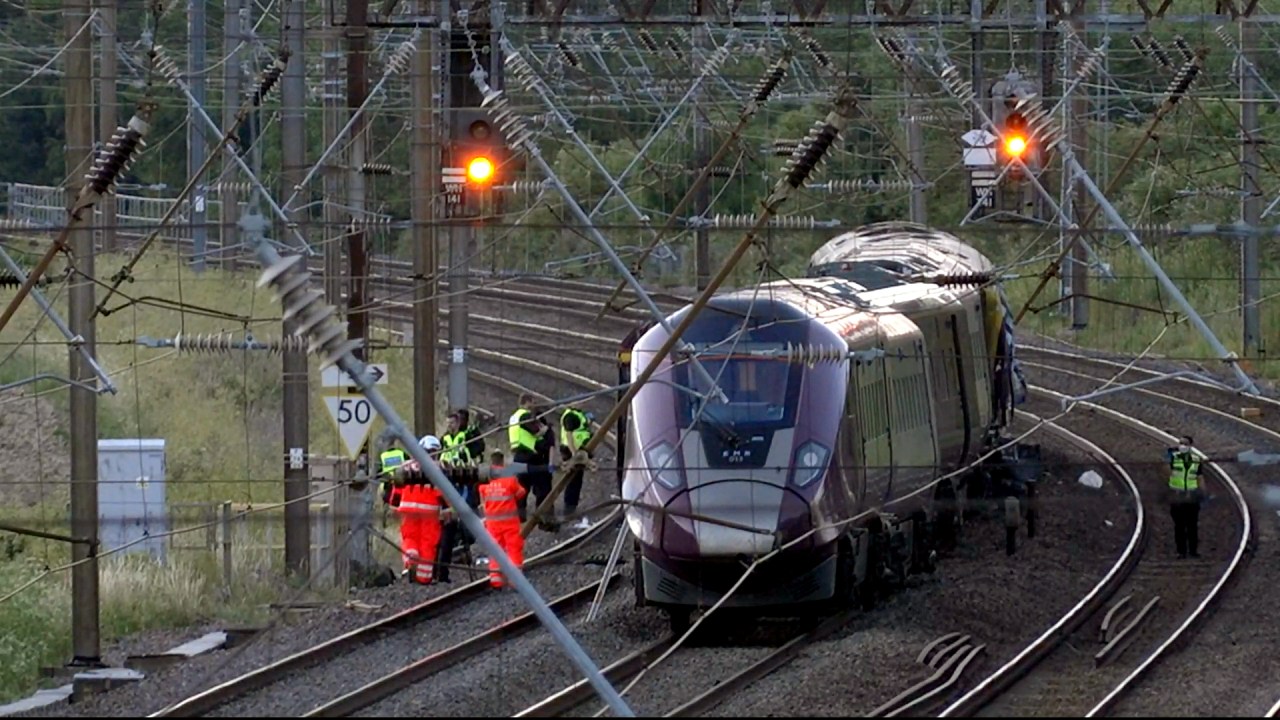
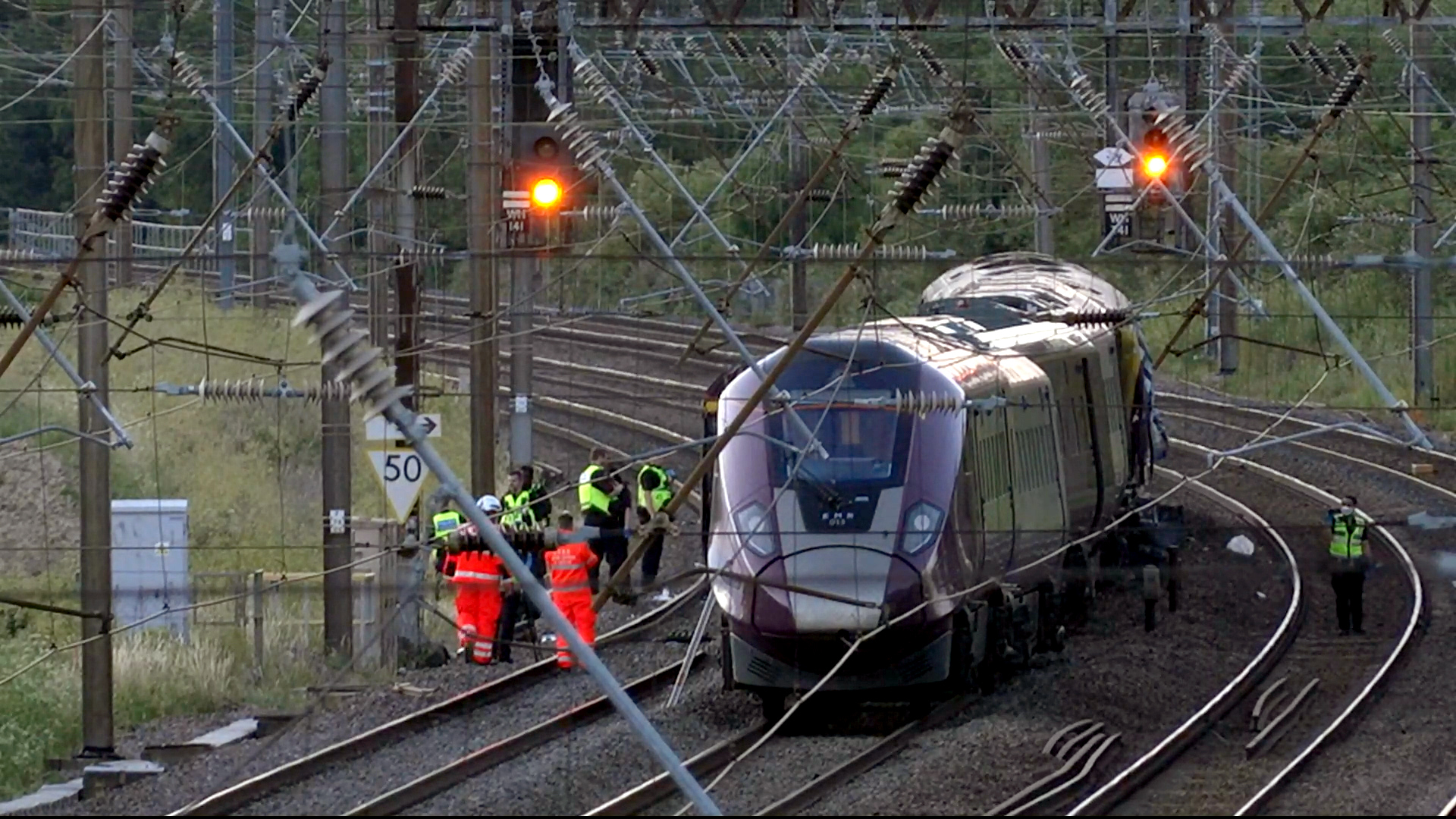
Investigators will be anxious to ascertain the cause of the Bedford train accident given its very unusual nature. The toll of 89 injuries and the death of the train driver means this is by far the worst accident on Britain’s train tracks in more than two decades.
The two trains involved, both part of the East Midlands fleet, and one, the fast train from Nottingham to London was stationary at the time, until it was hit by the stopping service from Corby. Reports from the passengers suggest there was no screeching of brakes or rapid deceleration before the crash, suggesting that the driver, who was sadly killed, had no idea that the line was not clear.
In particular, the investigation team will be concerned to determine why the safety features introduced after the Ladbroke Grove disaster in 1999 seem to have failed in this instance. After that accident, a system known as Train Protection and Warning System was installed to prevent accidents caused by signals passed at danger: SPADs, as they are known in the industry. The Ladbroke Grove disaster, in which 31 people were killed and 417 injured, was caused by a train leaving Paddington and going past a red signal into the path of an express coming from Cheltenham.
At the time, John Prescott, the transport secretary, mandated the installation across the network of the TPWS system which has proved very effective at preventing collisions between trains. The only recent examples of such incidents, in Powys in 2024, in which one person died of a heart attack, and in Salisbury in 2021 which resulted in 14 injuries, were both caused by wheel slides as a result of leaf fall, something that clearly can be ruled out in this incident. While TPWS is not 100 per cent effective in preventing collisions when trains are going very fast, due to the positioning of signals close to junctions, they have greatly reduced the likelihood of an accident being caused by a signal passed at danger.
Therefore investigators will want to ascertain whether the system was functioning properly and will be anxious to determine whether there was a fault in the system. Investigators will also be examining the signalling system for any potential faults. Trains on the whole Midland Main Line are now controlled from a control centre in Derby rather than local signal boxes. In fact, the area where the accident happened was due to be closed for the next two weekends for what Network Rail called ‘a significant package of railway improvement work [which] will affect journeys between Bedford and London over the next two weekends’.
The rail network has been remarkably safe since a spate of four serious accidents between 1997 and 2001 in the aftermath of rail privatisation when accidents at Southall (1997 resulting in 7 deaths), Ladbroke Grove, Hatfield (2000, 4 deaths) and Potters Bar (2002 7 deaths) resulted in widespread changes to the safety system.
Southall was caused by a signal passed at danger, while the two more recent accidents were the result of faults with the track. All these accidents could be attributed to the complete overhaul of the railways caused by the rapid privatisation and the holes which they exposed in safety procedures have to a large extent been remedied with the result that rail accidents have become a rarety.
Since then there have been a derailment in Cumbria in 2007 caused by a faulty points system in which one person died, and another derailment in Stonehaven in Scotland resulting from a landslide with three fatalities but by and large railway accidents have become far less frequent than in the 20th century.
This recent record represents a step change in safety which has by and large been echoed across the world where modern trains and technology, along with better training of personnel and far more attention paid to safety have meant accidents are far less frequent than in the past. New high speed rail systems have, in particular, proved to be extremely safe, with the accident in Spain in January this year becoming the first to involve the first ever collision in the world of two trains running at full speed on dedicated tracks. Questions will have to be answered.





Comments