A ceasefire has been agreed with Iran. The Straits of Hormuz will reopen. And the oil market will get back to normal very quickly. By Wednesday morning, it looked as if the energy crisis was over. Finance ministers will be breathing a sigh of relief as the crisis abates. But hold on. In reality, the truce is fragile, and huge amounts of supply have been taken out of the market. So long as that remains true, the price of oil, and with it the global economy, will remain stuck.
The average price of $90 to $100 a barrel is not what anyone really thinks a barrel of oil is worth
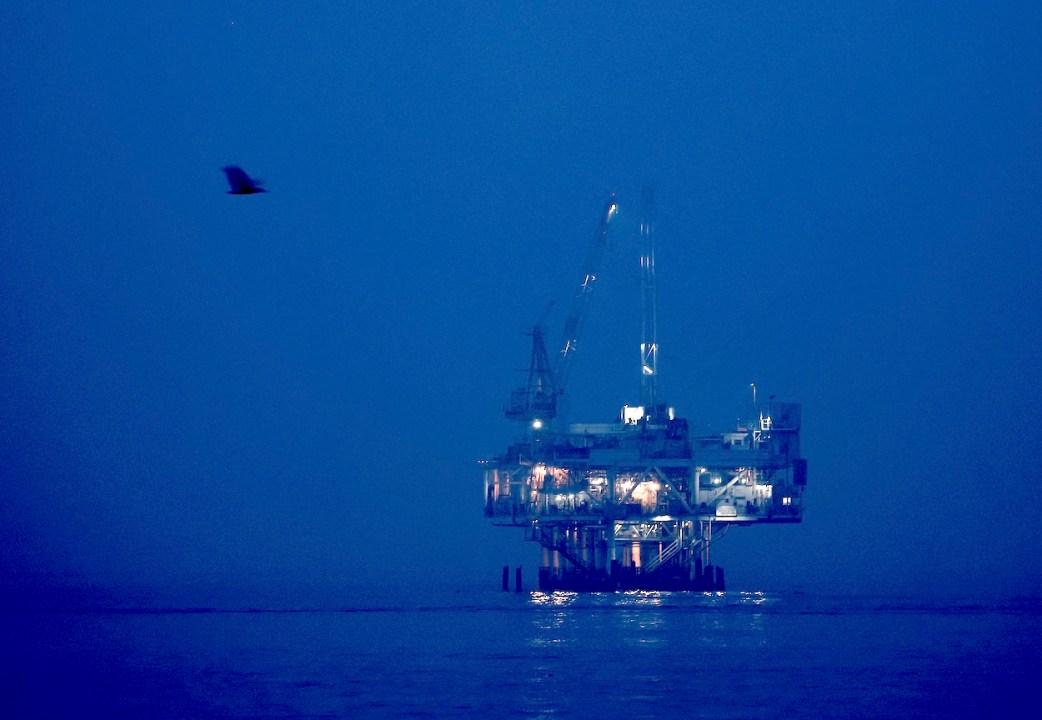
The price of oil has been on a wild ride ever since the United States and Israel started the attack on Iran a month ago. Brent crude rose from less than $60 dollars a barrel to more than $125 past week as the war intensified, and as the closure of the waters around the Gulf choked off supply. Across Asia, gas started to be rationed at the pumps, airlines started to cancel flights because there was not enough fuel to fly the planes, and European governments started to put in place plans for bail-outs to cope with the rising price of energy.
A war in the Middle East always means the price of energy goes up. That has been true for the last 50 years since the first major oil crisis way back in the 1970s. What has been most interesting about this episode, however, has been this. There is such a huge range of views that no one has a clue where the price will go next. Goldman Sachs warned the price could reach $200 a barrel, admittedly on the bank’s worst-case scenario, and some forecasters pencilled in $250 or more over the summer. Against that, JP Morgan was limiting its peak to $150, while as recently as February the bank was predicting the price would settle at $60 by the middle of the year.
The average price of $90 to $100 a barrel is not what anyone really thinks a barrel of oil is worth. It is a consensus that had been settled on by a tug-of-war between the two sides. It is not hard to understand why. On the one hand, the war is taking out huge amounts of supply, both of oil and gas itself but also refining capacity.
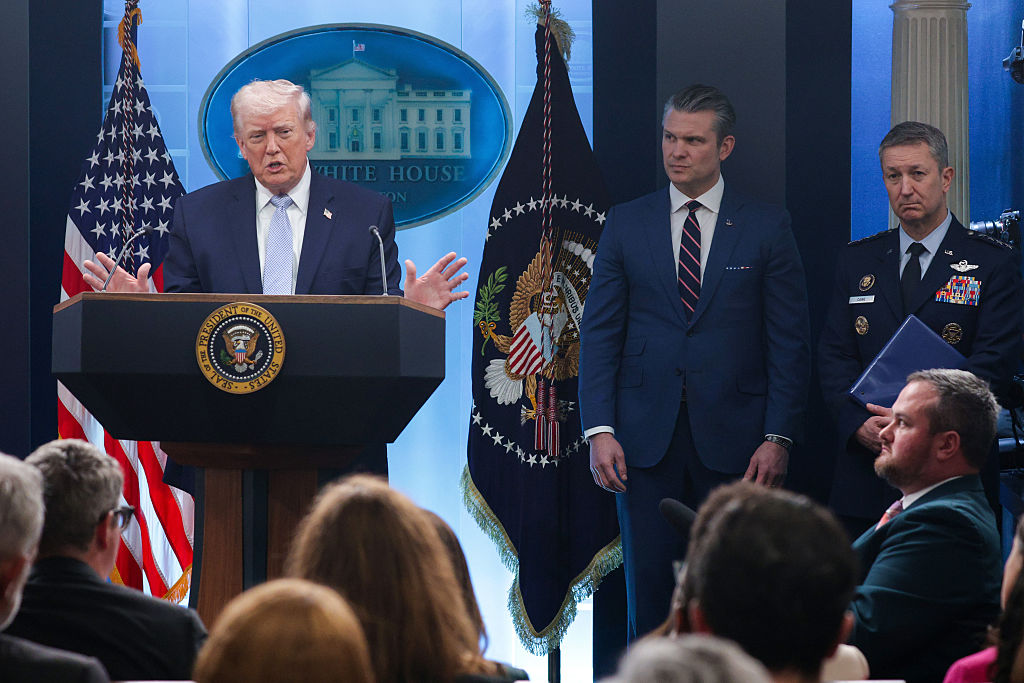
The Middle East accounts for around 30 percent of total supply, led by countries such as Saudi Arabia, Kuwait, Iraq, and of course Iran itself, even if much of its production is officially sanctioned. Even more significantly, it accounts for much of the oil available for export, alongside the US, which consumes much of what it produces. Lose that from the market, and prices get squeezed, and start to soar as desperate buyers hunt for every available barrel. Indeed, even as the price fell on the news of the ceasefire, a barrel for immediate delivery was still trading above $150 on some markets. If you want some oil right now, it is still going to cost you a lot.
Against that, the price of oil has been, and remains, in medium-term decline. Again, it is easy to understand why. Wind and solar power is growing rapidly as it falls in price and countries try to hit their net zero targets. Venezuela, with the largest oil reserves in the world, should be back in the industry over the next few years following the change of government. Fracking is still booming, with new fields opening up in countries such as Argentina, and now China as well. With plenty of the stuff on the market, and with demand steadily falling, the price has been weakening for years. The war, runs the argument, has temporarily disrupted supply, but it has done nothing to change the medium-term outlook.
Who is right? No one really knows right now. The price has been settling in the $90 to $100 range because that is a compromise between two extreme views. The trouble is, that is the worst possible outcome for the global economy. At $200, oil would be so expensive that demand would collapse, and investment in wind, solar and nuclear power would soar. It would force the world to finally move away from Middle Eastern fossil fuels. By contrast, at $60 the global economy would still be growing at a healthy rate. At around $100 a barrel, however, the price of oil is high enough to squeeze living standards, push up inflation, and put hugely indebted governments under financial pressure. But it is not high enough to change behavior significantly. In reality, we are left with the worst possible price, and the one that will inflict maximum damage on the global economy – and even with the latest ceasefire there is little chance of that changing any time soon.



Comments