Markets

We’re stuck at the worst possible oil price

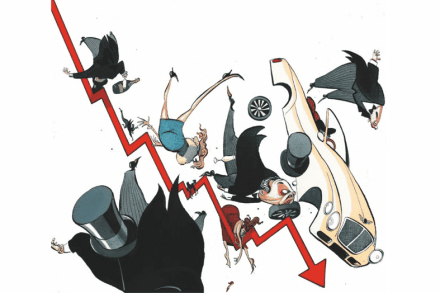
A ceasefire has been agreed with Iran. The Straits of Hormuz will reopen. And the oil market will get back to normal very quickly. By Wednesday morning, it looked as if the energy crisis was over. Finance ministers will be breathing a sigh of relief as the crisis abates. But hold on. In reality, the truce is fragile, and huge amounts of supply have been taken out of the market. So long as that remains true, the price of oil, and with it the global economy, will remain stuck. The average price of $90 to $100 a barrel is not what anyone really thinks a barrel of oil is worth The price of oil has been on a wild ride ever since the United States and Israel started the attack on Iran a month ago.

oil

What happened at the Liaison Committee?

From our UK edition

16 min listen

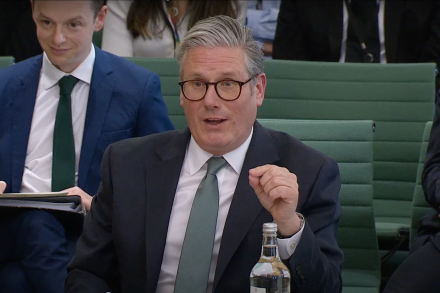
Parliament is about to go into recess for the Easter holiday and so – as is customary – Keir Starmer sat in front of the Liaison Committee this afternoon, where he was grilled on topics including tariffs, defence and welfare. This comes on the day when there has been a momentary reprieve in the markets, which experienced a modest bounce – most likely as a result of suggestions from Trump that he is willing to negotiate with China. Markets seem to have priced in that these tariffs could be negotiated down, but that is of course a big 'if'. The question remains for Keir Starmer: what more can he do to protect the UK against economic meltdown? And will he have to break his fiscal rules to do so? Oscar Edmondson speaks to Isabel Hardman and Michael Simmons.

Is Trump the new Truss?

From our UK edition

15 min listen

The fallout from Trump’s tariffs continues. Last week, Donald Trump ended the free-trade era that has underpinned growth for decades (and potentially also heralded the end of globalisation). Markets around the world have taken a nosedive, prompting fears of a global recession. The only (brief) reprieve was when stock markets rallied because of a misunderstanding regarding comments made by Trump’s economic adviser. Once these had been clarified, the Nasdaq dipped once again. Republicans are starting to turn on Trump – including Elon Musk, who has been sending out some coded tweets. The strength of the reaction from the markets has drawn comparisons between Trump and Liz Truss, whose mini-Budget spooked the markets so comprehensively that she had to backtrack after just ten days.

Will Trump’s spending bill luck run out?

It isn’t just a weekend of warmer weather for the President, who took off for Mar-a-Lago yesterday evening. It is possibly a weekend full of calmer news. The decision from Democratic minority leader Chuck Schumer to let the spending bill advance in the Senate allowed the six-month extension to get over the line last night, as the Senate voted 54-46 to see it through. This seemed to give markets a temporary sense of relief as well, as growing expectation that the bill would pass saw stocks rally. Both the S&P 500 and Nasdaq had their best day gains since Donald Trump took office again, while technology stocks also appeared to make a major comeback by the time markets closed yesterday.

shutdown

Keir Starmer slaps down Elon Musk over ‘civil war’ comment

From our UK edition

13 min listen

The Prime Minister has clashed with billionaire owner of ‘X’ Elon Musk over comments that Musk made claiming that – in light of the violent disorder across the country – the UK is heading for civil war. How long will this spat go on? And is this the start of Starmer being tough on the tech giants? Elsewhere, Rachel Reeves has been in North America this week attempting to bang the drum for Britain as 'a stable place to do business' … stable all expect for some significant market turmoil. What's the update?  Oscar Edmondson speaks to Katy Balls and Kate Andrews.  Produced by Oscar Edmondson.

Truss says no to spending cuts. Here’s the caveat

From our UK edition

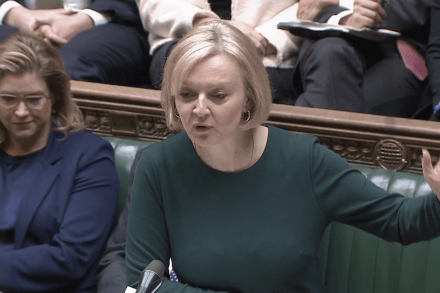
The mini-Budget was a spending spree. The ‘medium-term fiscal plan’ was meant to explain the funding. But what exactly is going to be in it?  Liz Truss and Kwasi Kwarteng were thought to have (finally) come to terms with the need to address the need for some restraint, after their mini-Budget led to market chaos which is yet to settle. Their fiscal statement – in other words, how they would fund their tax cuts – was moved forward by almost a month, to 31 October. Its contents were thought to include some major spending cuts, in a bid to convince markets that fiscal discipline still guides the Tory party.

Are the markets scared of Liz Truss?

From our UK edition

Look at the chart for interest rate expectations in isolation, and you might come to the conclusion that Rishi Sunak is right about Liz Truss’s fiscal policies. In June, markets were expecting rates to peak at around 3.5 per cent next year; now they are expecting them to reach close to 4.5 per cent. Moreover, as Truss’s victory came to be seen as inevitable, the FTSE 100 plunged from 7,550 on 19 August to 7,230 this morning – a fall of 4.2 per cent. The pound has fallen from $1.22 on 10 August to $1.15 now. Markets could be forgiven some apprehension But hang on a minute. Markets have been revising their interest rate expectations all year.