
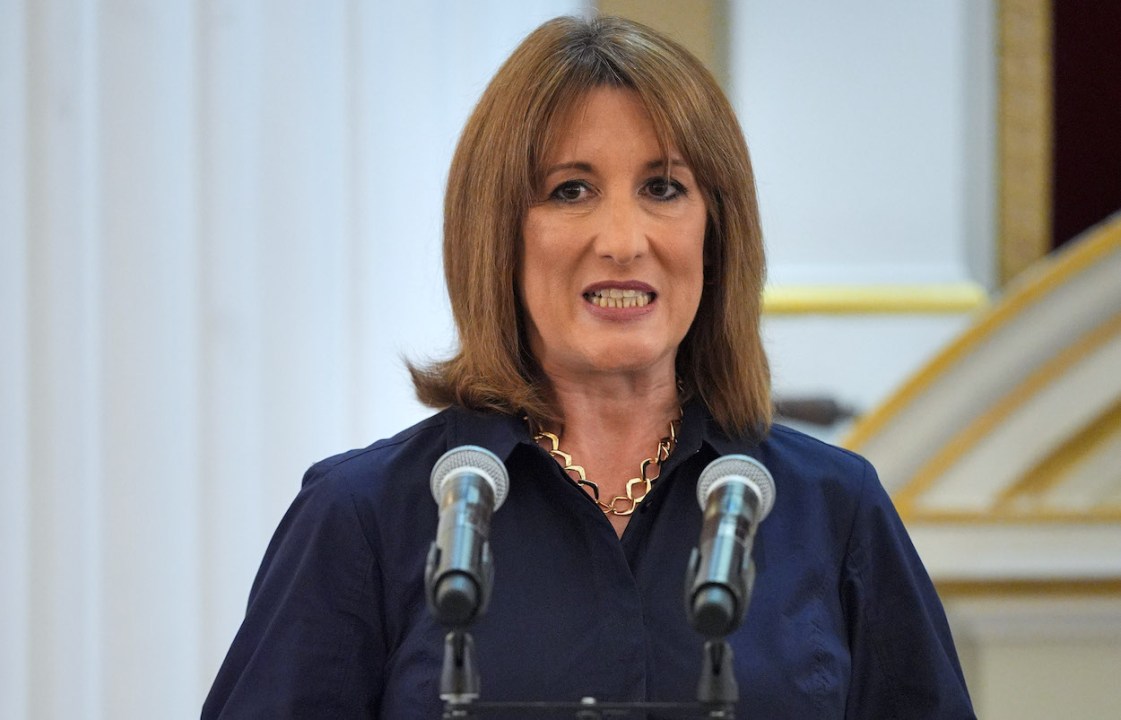
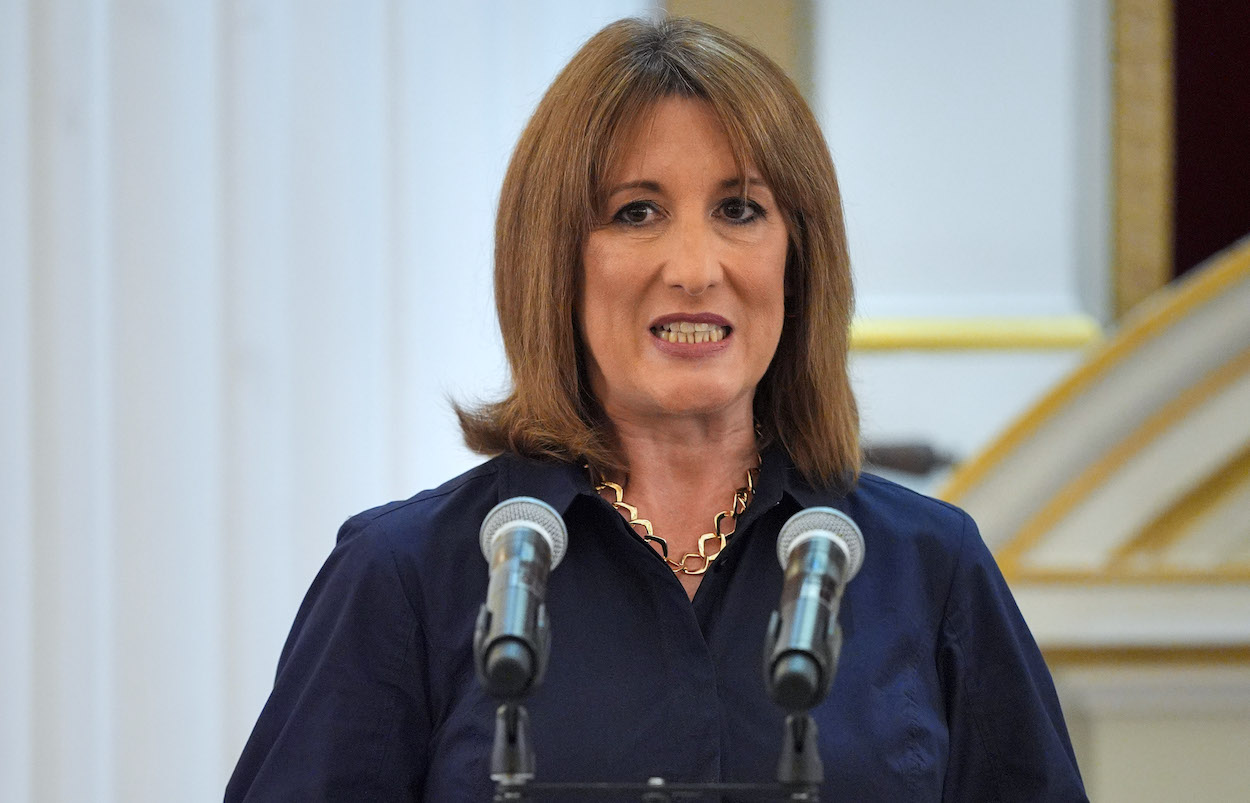
Rachel Reeves last night made what is surely her final Mansion House speech to the business bigwigs, obscure liverymen and bankers of the City of London. It was an address to perhaps the only people who feel any fondness for this Chancellor.
Reeves’s legacy – beyond being the least popular chancellor ever, according to polling – is unemployment and business destruction. Her £25 billion raid on national insurance, coupled with hikes to the minimum wage, has, without any doubt, led to the rising unemployment we have seen in the past few years. Small, medium and large business owners spent her entire chancellorship complaining – justifiably – about how punitive and preventative the tax system had become for them.
But, curiously, there was always a warmer reception for her in the Square Mile. As I wrote on the cover of the magazine early this year, Reeves and the City had entered into what one ex-HM Treasury source called a ‘Faustian pact’. So long as she protected the banks from windfall taxes, watered down levies on their highest earners and shielded them from reforms to consumer protections, banks would furnish her with the investment announcements, new headquarters and public endorsements – or at least public silence – she needed to maintain an appearance of economic credibility. It was a toast to big business paid for by family firms.
Yesterday’s speech was a call for Burnham to continue her version of that bargain and a statement of the legacy she would rather be remembered for.
She began by saying how ‘proud’ she was to ‘report that the British economy is strong’. She stated, rightly, that growth at the start of the year was the strongest in the G7 and that borrowing as a share of gross domestic product fell. She omitted to mention that borrowing this year is already overshooting predictions and that long-term trend growth still very much underperforms.
‘In my first Budget,’ she reminisced, ‘I fixed the public finances.’ We’ll let the Office for Budget Responsibility be the judge of that. Last week, it warned that Britain’s fiscal plans are unsustainable, with the gap between government spending and the tax take yawning wider open, the state pension rising from 5 to 9 per cent of gross domestic product – with the triple lock alone accounting for around a third of the rise – and debt rising to 300 per cent of gross domestic product.
She made a pitch to Burnham to keep her in the (any) job
On the financial services sector, with which she has got on reasonably well, she announced new ‘artificial intelligence payment tools’, and said that the UK will become the first G7 nation to issue ‘digital sovereign bonds’, where gilts are sold on the crypto blockchain. The point is to remove bureaucracy and improve transaction speed and efficiency but, without fixing the fundamental problems with our economy – with which we are all painfully familiar – they will surely make little difference to the yield demanded on British debt.
Looking forward, Reeves said she was ‘optimistic about our country’s potential’ and ‘economic future’. But to secure that future, she said, requires choices – choices that she has made. Then she made a pitch to Burnham to keep her in the (any) job; she restated her record and said she would like to do more to increase regional investment.
That plea brought her speech to an end: ‘Radical change is only possible if it comes with credibility. Radical change without credibility does not endure. That is my mission as Chancellor. That is the mission of this government. And I know it will remain the mission of the next.’ I don’t think Andy Burnham agrees.






Comments