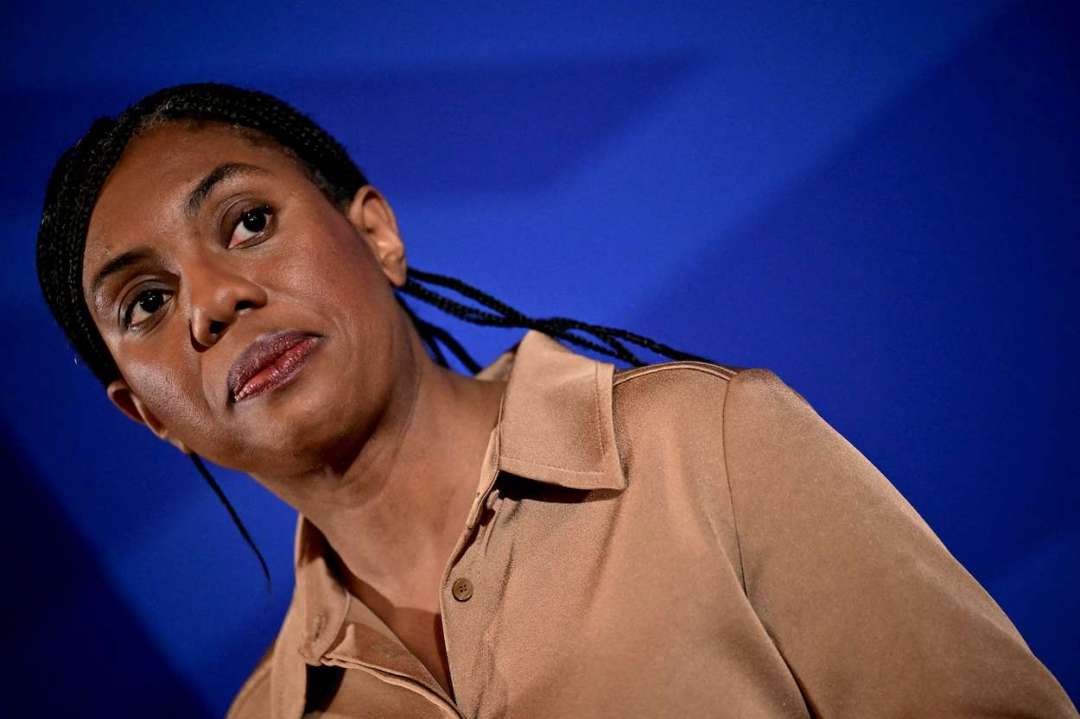
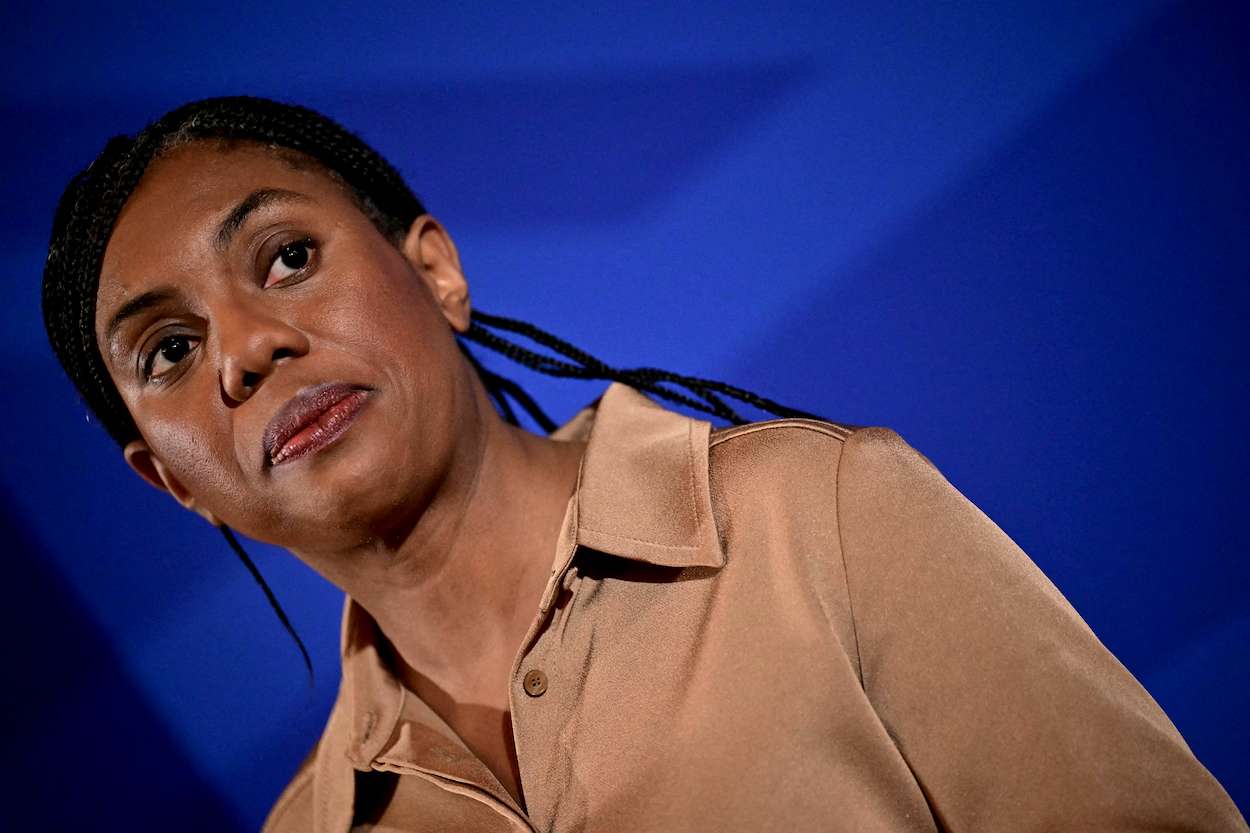
The political focus is, quite rightly, now on Sir Keir Starmer. You hardly need me to point out how tenuous his hold on office now is, or why. But there is one key aspect to that ‘why’ which has been relatively unremarked on. Yesterday Kemi Badenoch scored a direct hit on the Prime Minister when she asked him at PMQs, repeatedly, if he knew when he appointed Lord Mandelson as ambassador to the US about his ongoing friendship with Jeffrey Epstein after the paedophile’s initial conviction. Starmer twice evaded the question; it was only when Badenoch came back with it for a third time that he made the admission that has turned a disastrous crisis for him into a likely fatal crisis. His attempt today to say he meant something else looks exactly as risible as it is.
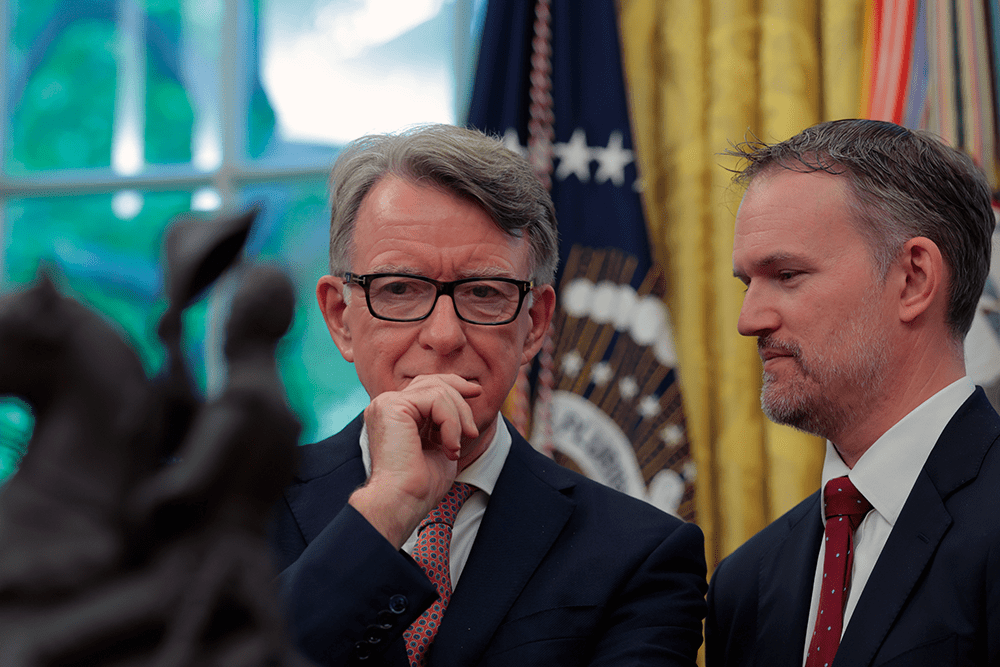
But that wasn’t Badenoch’s only success yesterday. Don’t forget that when the latest dump of Epstein files appeared on Friday, and the key revelations started to emerge, Downing Street had no intention of publishing any of the information around the vetting process. Right up to Monday night the line was that the Tories had over-reached with their Humble Address, the wording might would not be technically right, national security… blah, blah, blah. It was like watching a bad magician’s transparent attempts at misdirection. The simple fact is, however, that had Badenoch not used that mechanism to demand the release of the documents, the ISC (Intelligence and Security Committee) would not now be combing through them to decide which need to be held back. They all would be.
Kemi Badenoch did not have the greatest start as leader of the opposition. She appeared ill at ease at PMQs and some of her interviews were nervy. But then she and her party had been given one of the biggest electoral kickings in British history just a few months earlier, so of course she wasn’t suddenly exhibiting all the traits of a political mastermind.
Fast forward to recent months, however, and she has not merely grown into the role. At PMQs and whenever she faces Starmer in the Commons she is like a cruise missile that focuses on and destroys its target with unerring accuracy. Starmer’s only response is to try and patronise her, and the impact is devastating – on him. Badenoch now commands the Commons when she speaks – witty, at ease, forensic and unrelenting.
It is a truism that being a good Commons performer is not a guarantee of political success – just ask William Hague. But the point about Badenoch’s Commons successes now is not that they are good debating performances but that they are changing the political weather. Remember, for example, how she asked Starmer last July if he would honour Labour’s manifesto pledge and rule out raising income tax – which he did. Then in November, when there was speculation that income tax would be increased in the Budget, she asked the same question and he would not give the same answer. She had laid a four month-long trap for him, which he walked into.
Her Commons triumphs have given her the breathing space to see off those in her own party who had been moaning about her performance as leader – and to start the process of reviving support for the Conservatives with policies such as her conference pledge to abolish stamp duty.
Reform is obviously the main block to any Conservative revival
Clearly there is a long way to go before any of this starts to turn into the real possibility of forming the next government. But it’s now no longer fanciful to think about. Consider what may happen if – when? – Starmer is forced out. If the next leader is anyone but Wes Streeting then it is near certain that Labour will turn leftwards; imagine, for example, the prospect of Ed Miliband as Chancellor. There is a long way to go before the next election, which works in the Tories’ favour. A Labour left turn will surely open up the opportunity for the sensible, fiscally trustworthy opposition that Badenoch is building.
Reform is obviously the main block to any Conservative revival. At the moment its support looks solid. But it would be a brave forecast to assert that Reform’s vote will only go upwards. The one thing we know for certain at the moment is that voters’ loyalty is fickle.
Politics is already being reshaped. The rise of Badenoch as a weather-maker has yet to be properly recognised.



Comments