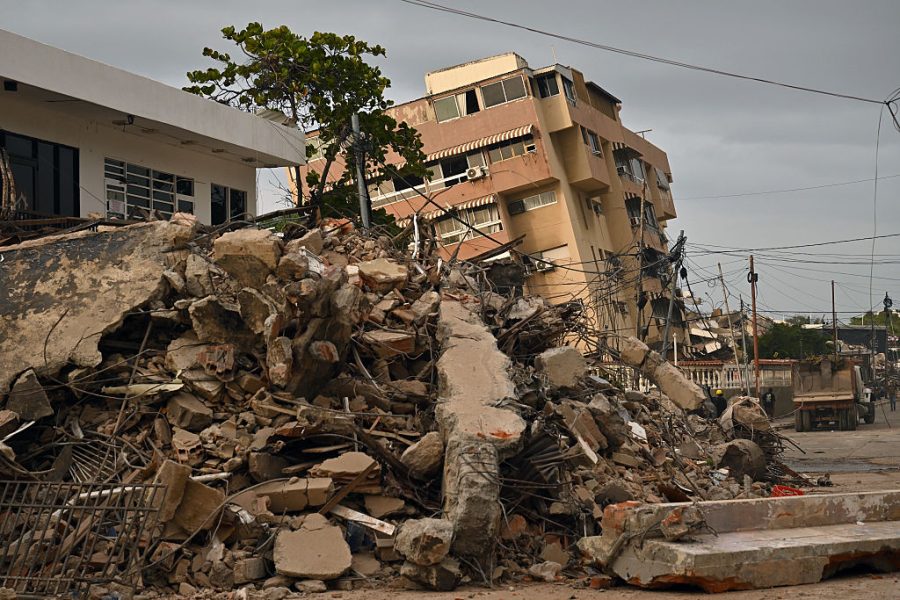
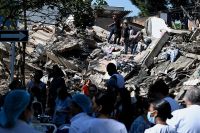
Families are still picking through the rubble in Venezuela. A weary-looking man searches for his wife in a heap of broken concrete – what was once an apartment block by the sea. Neighbours climb into a collapsed social housing complex to look for a nine-year-old girl. A cousin drives across the country on a motorcycle after days of his messages have gone unanswered. But ten days after the twin earthquakes hit the country on 24 June, the sombre realisation that there is only a slim chance of finding survivors hangs heavily above collapsed buildings, largely dotted along the coast north of Caracas.
So far 2,595 people have been confirmed dead. The final death toll is likely to be staggeringly higher. The UN said it has 10,000 body bags ready. Despite the grim figures, there are still signs of hope. Hernan Gil, a 43-year-old bodyguard, was rescued on Thursday, nine days after the disaster. But now, international rescue teams that have been searching for survivors are beginning to leave the country. The window for finding people alive is almost fully closed.
Along the coast, the smell of death lingers around damaged buildings
Along the coast, the smell of death lingers around damaged buildings. Thousands of families still haven’t heard from their loved ones. As hope begins to fade, anger and exhaustion have been rising. Many say help from the authorities arrived staggeringly late – in some cases days later and, sometimes, not at all. They were left alone, they say, using their bare hands to dig through concrete and mangled debris scattered with photographs, school books, pet food, shampoo bottles – and bodies.
From sorting clothes, food and medical donations to bringing in Starlink terminals to psychologists and vets setting up makeshift stations for those in need, Venezuelans have rallied to launch support efforts. Online databases were set up to register the missing, and bilingual locals have been translating for rescue teams and NGOs.
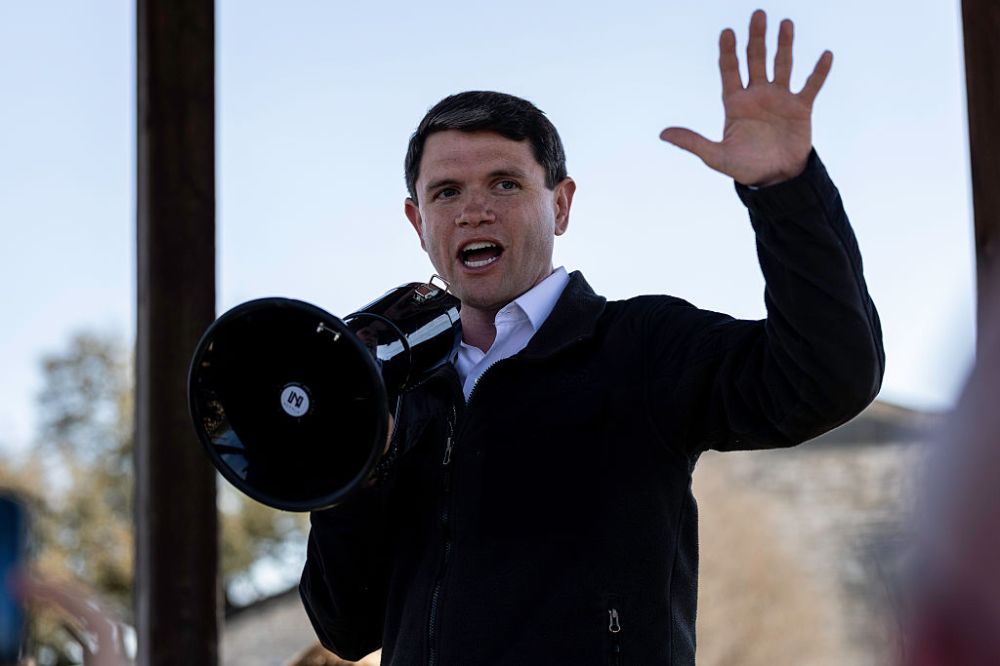
Despite previous earthquakes and devastating landslides in 1999 that killed thousands, many say the country was ill-prepared. Years of economic decline, driven by financial mismanagement, underinvestment in the oil sector and corruption, have left state resources stretched. International sanctions have further squeezed the economy. Machinery is ageing, personnel lack up-to-date training and many point to what they say is a lack of a comprehensive disaster plan.
As international media coverage has grown, the government of interim president Delcy Rodríguez has gone into damage control mode. Government social media accounts now have videos of Rodríguez and other high-ranking politicians visiting shelters, thanking first responders and consoling children. But it has done little to stem the scathing criticism.
As locals combed through what remained of collapsed buildings, the military – where present – often stood by. Despite thousands of soldiers deployed, many say they have mainly been directing traffic or controlling access to certain areas. Others have said aid and supplies are not reaching them quickly enough. The backlash has been widely picked up by the international press, with accounts of a slow and chaotic response appearing on television, radio and online across the world. Rodríguez has flatly rejected the criticism.
On Thursday, after keeping journalists waiting for over five hours at a press conference without explanation or apology, Rodríguez gave a fiery response to reporters. She pushed back against claims that the government had been slow to act. ‘We did not wait one day, two days or three days. We activated immediately,’ she said, accusing some media outlets of politicising the tragedy and calling the coverage ‘disgraceful’.
Venezuela is rarely accustomed to hosting large numbers of international journalists. Visas for foreign media are typically scarce and tightly controlled, with access carefully managed. This time, however, international outlets have been allowed in to cover the aftermath of the earthquake. The domestic media landscape, however, remains defined by a tightly controlled narrative, with limited space for critical reporting and a heavy reliance on state media.
The aftermath of the earthquake has unfolded against a deeply polarised backdrop, where antagonism towards the government was already rife. Many were hoping for fresh elections in the coming months, to rid the country of the chavista remnants still controlling the country.
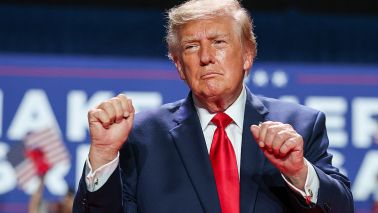
Despite elections in 2024 which the opposition won, the capture of Maduro by American forces on 3 January this year – and now the earthquake – chavismo remains in power. Opposition leader María Corina Machado has signalled her intention to return to Venezuela. Machado had attempted to return in the days following the twin quakes. But the rumour mill is spinning, with reports that this has riled President Trump, who has indicated she must stay put. Venezuelans are now wondering what next.
Foreign faces, multiple languages and broken Spanish have filled stretches of coastline north of Caracas in recent days. For many in a country not used to large-scale international presence in recent years, their presence has been both overwhelming and deeply welcome.
But they are now leaving. This weekend, the UK component of the international search and rescue team is due to head home, alongside several other contingents. Some teams have already departed; others are preparing to go. Aid agencies have warned hospitals pushed to the brink that the likelihood of disease grows.
The UN has highlighted the need to protect children as the risk of trafficking also increases for those in precarious living arrangements or who have lost families. Many families are still sleeping in tents at the base of collapsed apartment blocks, in parks, streets or temporary shelters. Many feel that more uncertainty will follow.
Rodríguez announced on Thursday that the government is launching a $200 million (£150 million) reconstruction fund with IMF support to help build homes. The earthquake destroyed 189 buildings. Yet Venezuela will need billions of dollars in aid for its reconstruction effort and it will take countless years.
For now, Venezuela remains a country in mourning. Many know it will be down to them to get through this, support one another, and rebuild their country – and find a way out of the heartbreak, tragedy and political uncertainty that they never wanted to get used to.


Comments