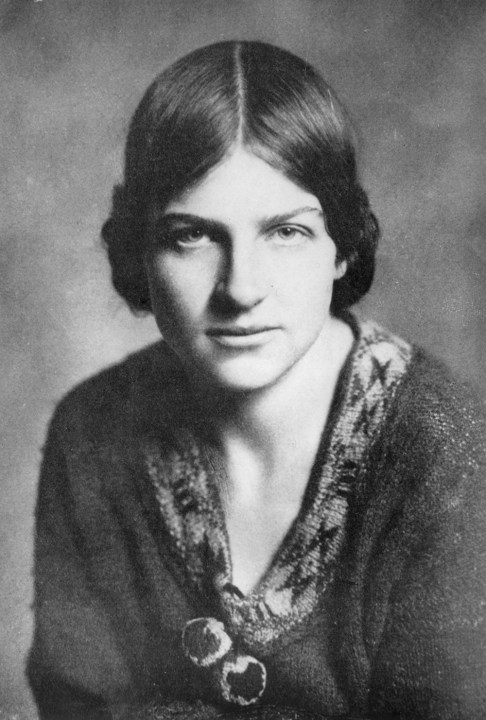
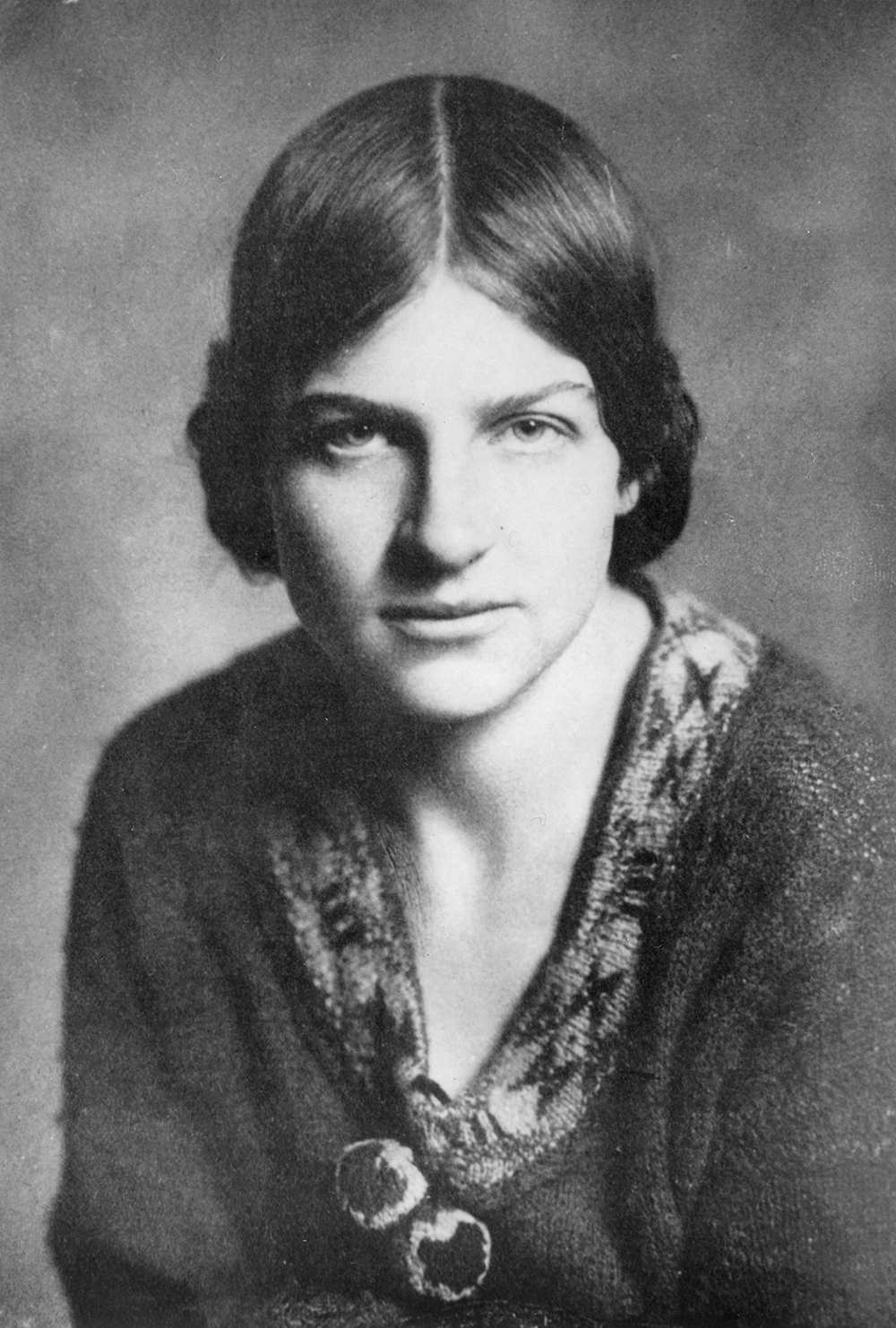
Naomi Mitchison is now renowned for being the author of ‘lost classics’ – famous for being forgotten. She lived to be 101 and wrote nearly as many books. She supported anti-Nazi movements in 1930s Vienna, ran a sexual health centre for women, became an octogenarian campaigner for nuclear disarmament and an ‘adviser and mother of the Bakgatla tribe in Botswana’. Despite two biographies and attempts to revive her masterpiece, The Corn King and the Spring Queen, she remains undervalued – perhaps because of her refusal to settle into one genre and her determination to venture into the territory of historical epic spiced with mythic ritual and dark magic.
Travel Light was originally published in 1952 as a children’s book. It exists now in an attractive half-light, not quite for children or grown-ups. Predating the publication (not the writing) of The Lord of the Rings, it offers a small but significant corrective to Middle Earth, besting Tolkien in at least three ways: it has wit, women and beautiful prose. Its protagonist (the novel mistrusts heroes) is Halla, a royal foundling raised by bears and dragons, whose love of gold and treasure she at first inherits and then rejects. Adventures ensue. Picaresque to the point of shapelessness, the novel ends up in the Christian Greece of Constantinople. As in Philip Pullman’s novels, the corruptions of religion are revealed by a vibrant young woman.

The method of much fantasy is to create a detailed imagined world, as Tolkien did to a degree so astonishing as to make his glaring faults more or less irrelevant. Mitchison works instead by plucking what she needs from a gallimythry, so to speak, of different legends – fairy tales, Norse sagas filtered through Wagner, Christian stories, Beowulf, Arthuriana, even ‘Jabberwocky’. But fantasy becomes too loose a term for her intriguing device of modulating midway from magic to realism. Travel Light puts away its dragons with its childish things, as the growing Halla must face the war-torn world of men, survive their thirst for blood and fend off their desire for sex.
The title is an imperative: throw off the dragonish capitalist hordes and travel light, free not only from the trappings of wealth but from the tethers of wife- and motherhood. Halla declines a proposal of marriage: ‘It was as though he did not want her to be the kind of woman who talked to basilisks… why was he sure she would like living in a little house?’ In this the novel is partly autobiographical (Mitchison shared Halla’s combination of blue blood and socialist convictions but, in an open marriage for half a century, was philoprogenitive). Travel Light spurns kitchen-sink realism and the kitchen sink, redefining womanhood to encompass freedom and adventure.
Some may wonder whether a sermonising broccoli has been smothered in a palatable ketchup of make-believe. Very occasionally the moral is underlined too deeply (‘Could she bear to share her earnings?’). But this is a brave and unusual work from a fascinating writer, and an influential strand in the thread of thoughtful unrealism by intellectual women (Hope Mirrlees, Ursula Le Guin, Doris Lessing) that runs through the dense weave of English literature. All such books are a means by which, from the vantage point of other worlds, we can learn a little more about our own.


Comments