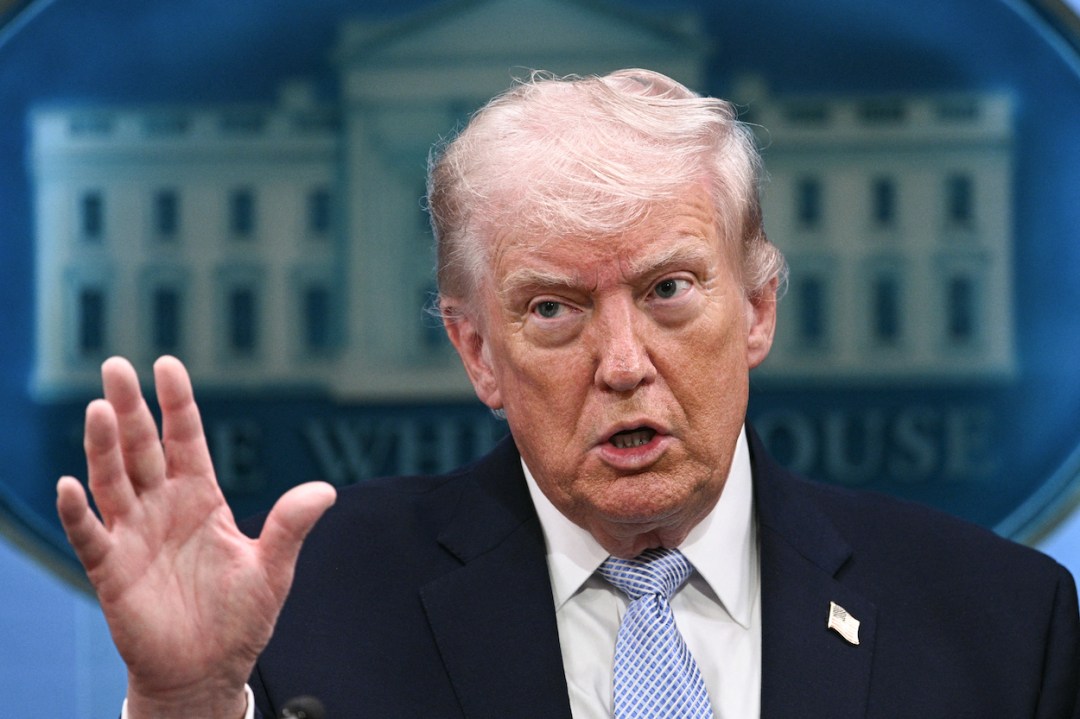
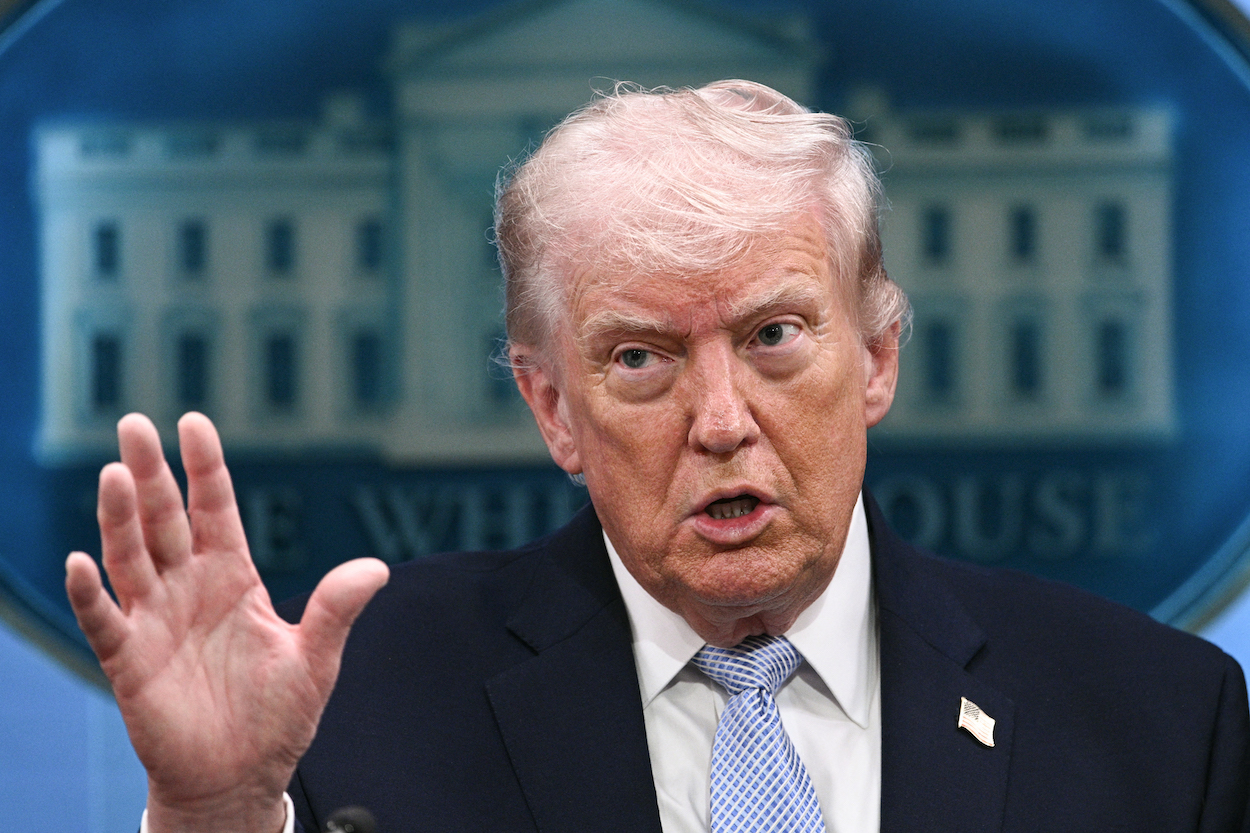
Anyone who has been following the developments in the Middle East through the eyes of the BBC and Sky News would be forgiven for thinking that the United States and Israel have suffered a humiliating defeat at the hands of the Iranian regime. Driven by an unshakeable hatred of Donald Trump, ‘experts’ from legal professors and security analysts to the UK’s best-known journalists have been actively willing for the US to fail.
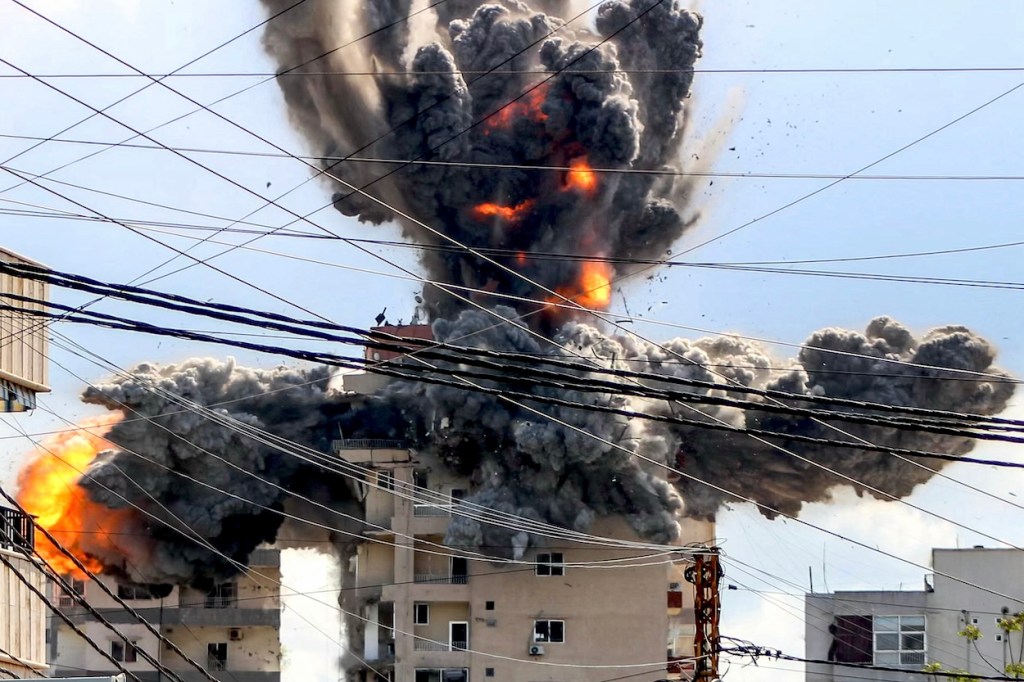
That the Iranian regime is framing this ceasefire as a victory is, of course, hardly surprising. What’s harder to stomach, however, is that so many are willing to jump on the propaganda of a regime that three months ago butchered 40,000 of its own citizens for having the audacity to take to the streets and demand freedom after 47 years of brutality.
By any objective analysis, this is a regime that has been badly beaten. Its leadership has been methodically taken out, including its supreme leader and the IRGC’s most senior commanders. One of the world’s largest armies has been decimated, along with its command-and-control functions. Its air force, navy, and air defence systems have been destroyed. Some 90 per cent of Iran’s weapons factories have been struck; ballistic missile stocks and 450 production facilities lie in ruins, alongside an additional 800 or so drone facilities.
Aerial superiority over Iran has been demonstrated ever since the opening minutes of the war. It has allowed pinpoint operations against targets across a country nearly seven times the size of the UK. Israel’s air force has alone hit more than 3,100 combat targets, while the US struck a remarkable 13,000 targets.
If that’s winning, what does losing look like?
A fundamentalist Iranian regime armed with a nuclear weapon has always been the nightmare scenario of strategic planners across the West. It’s worth remembering that, in the diplomatic talks ahead of this war, Iranian negotiators rejected a US offer to provide Iran with the nuclear material required for a peaceful domestic nuclear programme. This rejection – let alone its years of nuclear subterfuge and stonewalling of international inspectors – was regarded as the final proof that Iran would never peacefully surrender its malign nuclear ambitions.
The key foundations of Iran’s nuclear programme were already hit last year but after efforts to restore and escalate enrichment were detected by the US and Israel, they were left with little option but to reverse this. Washington claims to have destroyed around 80 per cent of Iran’s nuclear industrial base in recent weeks.
Iran’s nuclear threat is today dramatically reduced. Difficult negotiations lie ahead, but the Trump administration is giving clear indications that any deal will require Iran to surrender any and all enrichment capabilities, while its existing stockpiles of enriched uranium will be extracted from the country.
The scale and significance of these losses is unprecedented in modern warfare. While Iran retains the ability to fire isolated volleys of ballistic missiles at its Arab neighbours and Israel, these are no longer a strategic threat. It will take years for Iran to rebuild a proper offensive capability.
The US and Israel have scored remarkable military achievements in the past 40-days
The Islamic Republic’s grand strategy of exporting violence around the region has been dealt a devastating blow. Hamas’s 7 October massacre set in motion a chain of events that saw Iran’s terror proxies – its so-called ‘axis of resistance’ – systematically degraded. In Lebanon, Hezbollah is now isolated, and Israel can be expected to continue uprooting the group’s infrastructure which has been embedded across much of the country under the noses of the United Nations peacekeeping forces. Crucially, Iran’s ability to project power through large-scale violence is curtailed.
It is true to say that the US underestimated the ability and willingness of Iran to so violently attack its Gulf neighbours with drones and ballistic missiles. This was misguided. Of far greater significance, however, was the failure to anticipate or pre-empt Iran’s ability to exploit the Strait of Hormuz to generate a global economic shock. Initial indications that Iran will now permit the resumption of oil-laden shipping through the narrow body of water suggests that the regime has been compelled to surrender what was essentially its final point of leverage.
The US and Israel have scored remarkable military achievements in the past 40-days. This will be a fragile ceasefire, and Iran can be expected to continue with intermittent fire towards its neighbours in a desperate attempt to have the ‘last say’. Make no mistake, though: this has been a resounding defeat for Iran.



Comments