
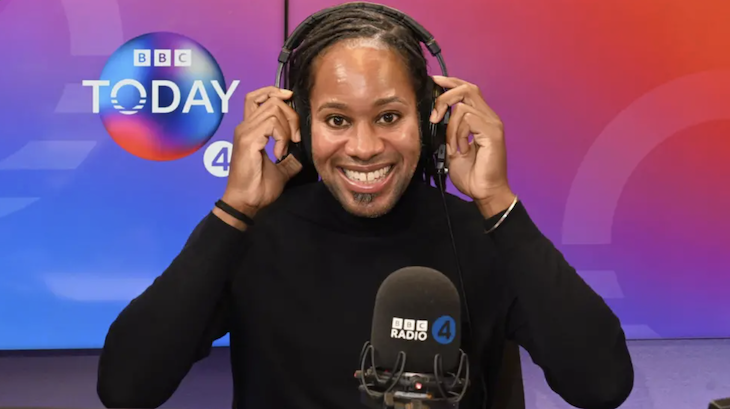
Simon Baron-Cohen, the distinguished Cambridge autism specialist, has been speaking movingly about his friend, Jason Arday, in a BBC radio interview. Baron-Cohen said the last contact he had with Arday was hours before he was found dead at an address in south London yesterday afternoon: “He really wasn’t coping. He was being subjected to relentless scrutiny… ridicule, discrediting every detail of his life… He wasn’t coping with the loss of his career, the loss of his reputation. He felt he couldn’t go on.”
Jason Arday was a victim, but not in the way that his political champions suggest
Baron-Cohen went on to talk about him as “an incredibly kind and gentle and caring and generous man”. From his own perspective, he observed, “at the heart of all this was a man who was diagnosed with autism and language differences…he needed support every step of the way… after the allegations of plagiarism, [the] media didn’t leave him alone.”
It is good to be reminded of Jason Arday as a friend, by a friend. For in death we all should be remembered in our humanity, even in our flawed humanity. And Jason Arday was very human; he bled. He was not just a totem of DEI (Diversity, Equity, and Inclusion), but as the Prof said, a vulnerable man. It’s sometimes hard for pundits, self included, to remember how terrifying it is to be at the heart of a media firestorm. Jason Arday isn’t the first to feel the pressure to be unbearable. We may not feel exactly guilt at participating in the row, but it would be strange if we didn’t feel sober, chastened, by his tragic end.
De mortuis nil nisi bonum is a good motto, but in Arday’s case, the difficulty about speaking no evil of the dead is in disentangling the man, the human being, from the issue. And the issue was quite legitimate: the apparent dearth of scrutiny of his successive appointments, the uncritical and unquestioned acceptance of his work and his claims as, for instance, a fundraiser. His family, in their pain, has talked about him as the victim of misinformation. This isn’t, I would say, the whole case, though this isn’t the time to rehearse the details.
Before his death becomes weaponized – as it already risks being – in the culture wars, we should make one thing clear, as I, in fact, did before he died. It is that the problem was not Jason Arday; it was with the individuals who lionized him, who promoted him beyond his capacities, who raised him up prematurely to stellar heights at an age which would have been remarkable for anyone, regardless of ethnicity. It is the individuals behind the system which created Jason Arday, the poster image of DEI, who should be asking themselves some questions.
Arday can hardly be blamed for not resisting this inexorable trajectory. And, I would say, the fault is with Cambridge for making a dud subject like Education a faculty on the same level as history or natural sciences or classics. Jason Arday was a victim, but not quite in the way that his political champions suggest.
He was also a man, a father, a son, a brother and an uncle, as his family have said, and it is as such he is being mourned. Requiescat in pace.






Comments