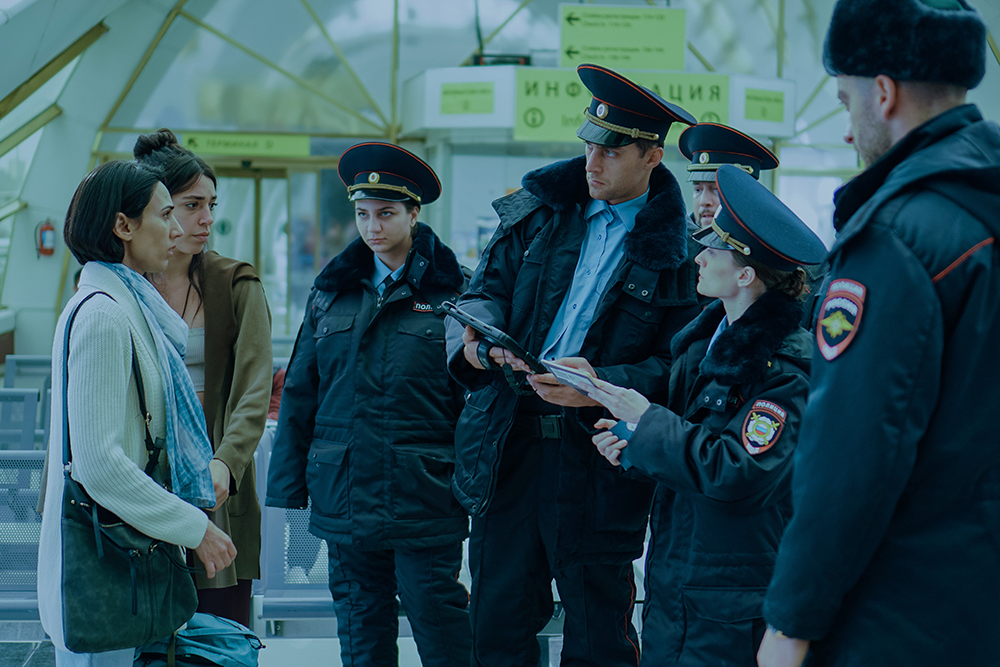


The competition must be pretty stiff for “World’s worst airport to be caught with drugs in your baggage”: Bogota? Miami? Singapore? Ciudad de la Paz? Gatwick? But Moscow would surely have to be a strong contender.
I’ve been detained there myself, only for an hour. But you’re never told why you’re being kept waiting, how much longer it will be, or whether this is routine or serious. The young men and women in those oversized peaked hats are perfectly civil but apart from the impenetrable language barrier you’re dealing with several centuries’ worth of culturally-inbred opacity and bureaucracy. And the prisons don’t bear thinking about.
This was all captured most evocatively in the opening scenes of Unconditional, an Israeli thriller about 23-year-old Gali (Talia Lynne Ronn), arrested for drug possession during a layover in Moscow. During the next eight episodes her mother and traveling companion Orna (Liraz Chamami) will be driven to increasingly desperate measures to save her girl, who may or may not be innocent.
If you want to watch quality TV, you often have to endure stressful TV
The two episodes I’ve seen so far ring very true. For example, there’s the scene where Orna negotiates with a seedy local lawyer to be smuggled inside a prison to meet her daughter – he’ll do it for a fee and so long as she dresses up like a prostitute. (Spoiler: it doesn’t work out.) I can also well believe the show’s cynical view of Israeli politics, as in the section where the country’s foreign minister agrees to make a big deal of Gali’s case so long as her mother doesn’t speak independently to the media. When Orna goes ahead and talks to a TV show, the minister’s aide sabotages her mid-broadcast by briefing the producer that her tearful crowdfunding campaign is a false prospectus because her daughter is a known drug user.
But though it has started out very promisingly – tense, some good twists, exotic locations, interesting characters, an eye for detail, plus that pleasing sense of unpredictability you often get from foreign-language series because their cultural references and mores are alien – I gather from various reviews that it all gets a bit silly. Instead of being just an ordinary mum trying to save her girl, Orna becomes a kind of amateur superagent, fact-finding beyond the capabilities even of Israel’s intelligence agencies, and embarking on a rescue mission that defies credulity. Shame.
Devil in Silver is the third stand-alone season of American horror series The Terror, inspired initially by the work of the late, highly acclaimed and literate sci-fi writer Dan (Hyperion Cantos) Simmons. Season one was based on the disastrous Franklin expedition of the 1840s, when two Royal Navy polar explorer ships – Erebus and Terror – got trapped in the ice, cannibalism ensuing. Season two was set in a Japanese-American community in California during World War Two. The new one – based on a novel by Victor LaValle – takes place in the present in a New York psychiatric hospital to which an innocent man named Pepper has been outrageously committed after an altercation with a trio of bent coppers.
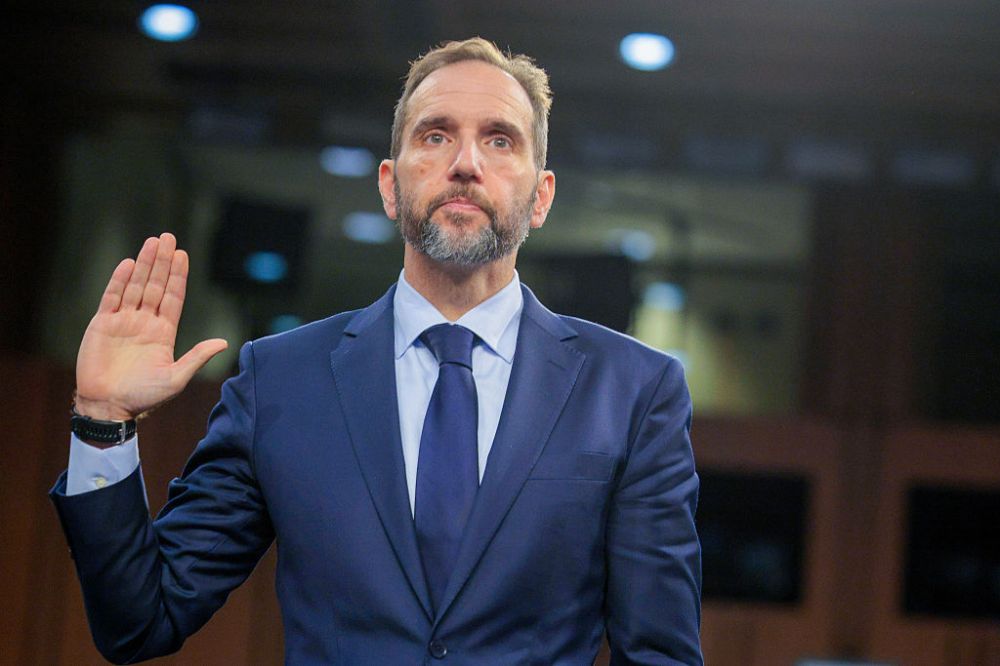
It’s horribly claustrophobic and unsettling. As with One Flew Over the Cuckoo’s Nest, you’re forced to experience, through the eyes of someone seemingly sane, the despair and helplessness of being trapped in a prison-like system purpose-built to torture you and drive you over the edge while purporting to serve your best interests. The group therapy sessions with a psychiatrist in a Hawaiian shirt who forces the inmates to listen as he reads, very badly, from Moby-Dick are excruciating.
Pepper, a removals man and part-time drum teacher from Queens, is played – implausibly but extremely well – by Dan Stevens. Never, unless you knew it already, would you guess that the chap acting this irascible and increasingly paranoid working-class New Yorker is a Tonbridge- and Cambridge-educated English graduate who starred as love sensation Matthew Crawley in Downton Abbey.
I seem to have recommended quite a bit of horror lately – Widow’s Bay, The Shards – not because the genre is my cup of tea but because it’s apparently where television wants to invest its money and attention right now. Why? I don’t know, but the answer is bound to be depressing. What this means is, if you want to watch quality TV, you often have to endure stressful TV, replete with jump scares, eye-averting gore and nihilism.
I’m prepared to carry on watching Devil in Silver if someone can reassure me that Pepper unites the ragtag band of inmates and leads them in successful rebellion against their vile Nurse Ratched-style oppressors, as well as slaying the evil demon creature (if it’s not a hallucination) that lives above the ceiling and preys on the patients. But horror isn’t a genre much given to happy endings, so I’m probably being a touch optimistic.






Comments