Each winter our NHS is struck by an ‘unprecedented’ number of cases of seasonal illness. Politicians talk gravely of the hard work done by our doctors and nurses, and ask the public to do what they can to help. Newspapers and scientists describe the influx of cases in meteorological terms – a ‘surge’, a ‘wave’, perhaps a ‘viral maelstrom’ – and the bugs themselves, which are biologically ordinary, are given glamorous names. This year, influenza A strain H3N2 became ‘superflu’.
We’re told the strain on the NHS this winter is unparalleled, but it’s really only slightly worse than last year. For the three decades I’ve worked in British hospitals, each winter is meant to be a uniquely terrible flu year. In actuality, every year largely resembles the one before. The overcrowding is a little worse, and this year some people are wearing masks over their chins, but nothing much changes.
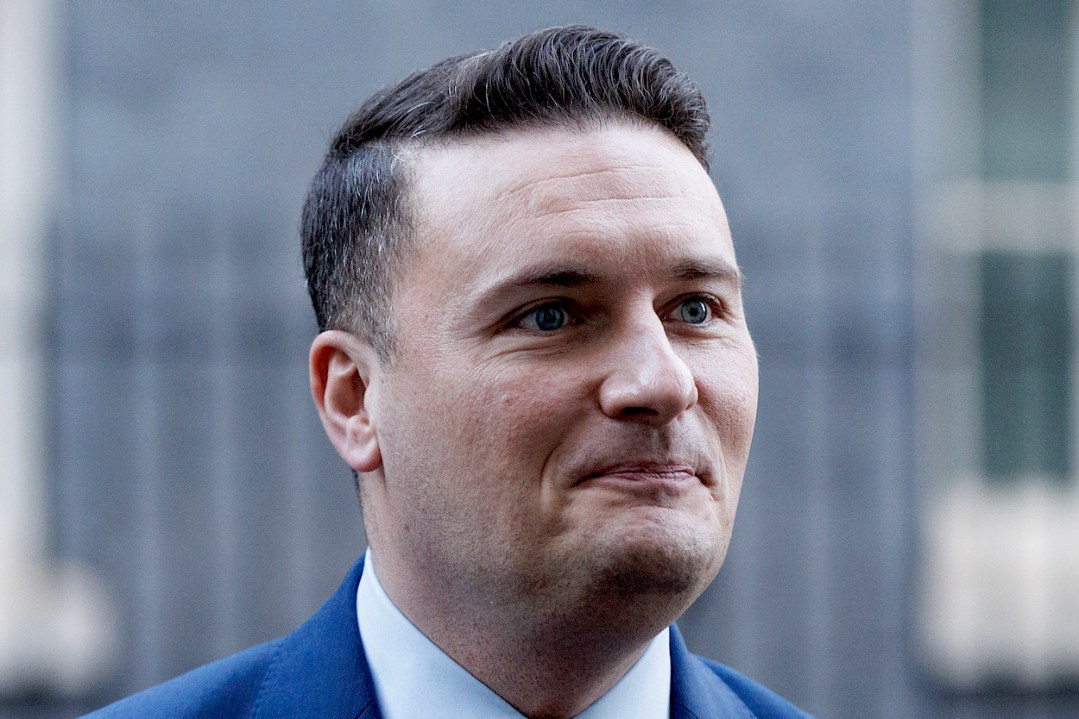
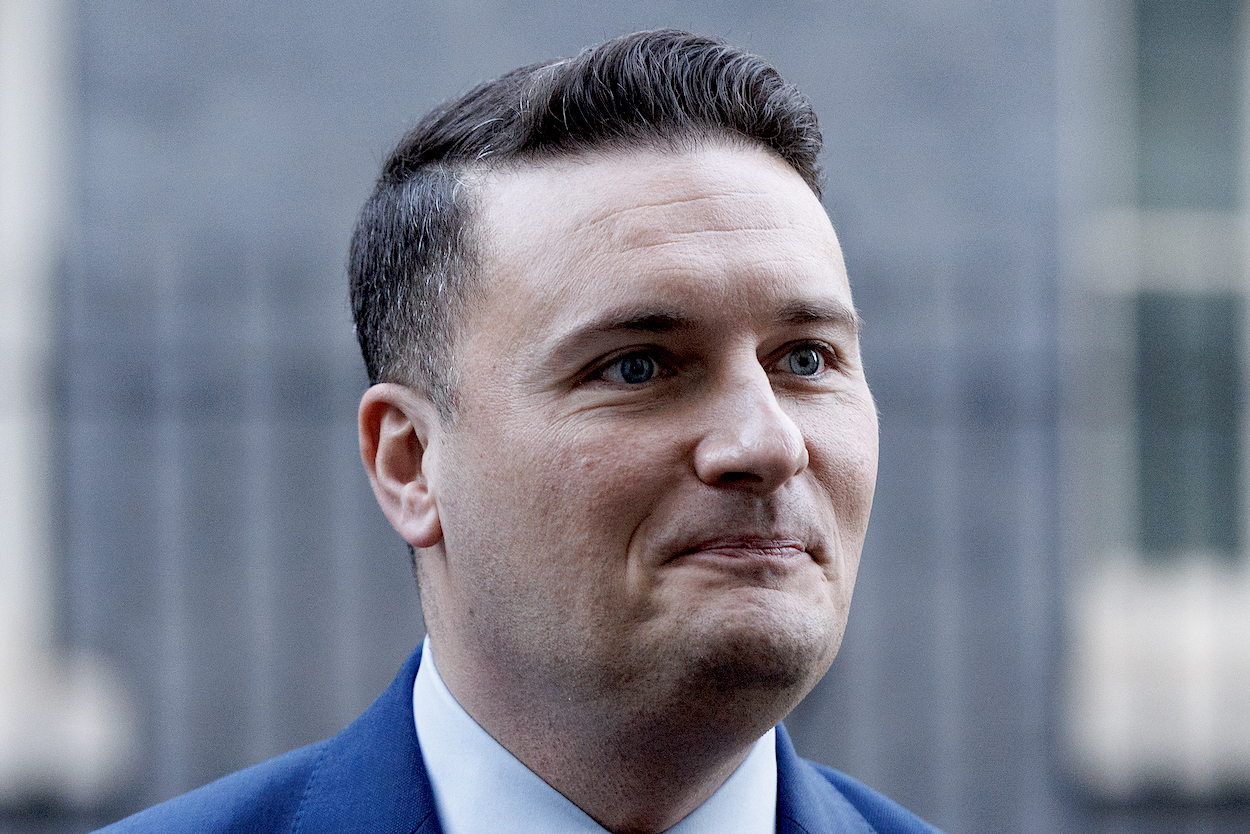
A couple weeks ago, stories of superflu were everywhere. Wes Streeting had just asked the junior doctors to cancel their strikes, and it was no surprise that he wheeled out flu – and the politically minded doctors he employs in national posts – to speak of its danger. How could the juniors be so reckless, so indifferent to patient safety, as to strike now? It was just as unsurprising that the media lapped it up. Winter 2025 was proclaimed a seasonal crisis like no other.
Among hospital inpatients, a great deal are currently testing positive for flu. The immediate utility of testing them, however, isn’t clear. There aren’t enough side rooms to isolate those who have the bug, and it isn’t obvious why we should isolate flu more than other infections. Antiviral drugs create only an appearance of action. They neither improve survival nor get you home quicker. They shorten your symptoms by a few hours but make them worse while they last.
Step back, and the situation is a serious one, but not unprecedented. Overcrowded hospitals kill lots of people. There is a mass of data showing that being unwell and having to queue on a trolley for hours or days, with no privacy and little treatment, is, unsurprisingly, bad for you. Winter infections make this worse, but this overcrowding is no longer even absent in summer. Flu exacerbates a system that is already failing, and killing people in doing so.
This winter, our failing NHS will kill people it should have saved
Flu vaccines help, and if I were elderly or frail or otherwise vulnerable I’d make sure to get them. I get mine anyway – not because there’s evidence it protects patients, but because I prefer to avoid a few days on the sofa macerating in feverish misery. Masks are different; the current overview of the evidence finding that wearing them made ‘little to no difference in how many people caught a flu-like illness’. Those who demand people wear masks can’t tell public health from public theatre. Streeting, to his credit, has not done this.
The Health Secretary has, however, tried to make sure the annual winter crisis doesn’t go to waste. ‘Christmas strikes could be the Jenga piece that collapses the tower,’ he said, appealing directly to the junior doctors, over the heads of the BMA, in a failed attempt to get them to cancel their strikes.
You don’t get far in the world by preventing crises. Nobody thanks you; they never notice. What gets you praise is looking energetic when they happen. Streeting did that, although his half-promises to half-solve a crisis which he could have fixed ages ago haven’t been enough. (He should have permanently and entirely stopped the careers of British junior doctors from being crucified by having their jobs given to foreign graduates.) Part of the issue may be that so many BMA members are now foreign graduates, who would not be rational if they voted to harm their job prospects.
NHS winter crises look like they’re caused by external forces, and pass in spring, when leaders can magnanimously thank all those people whose hard work supported their bold speeches. The alternative – improving the NHS to increase capacity and solve overcrowding – isn’t one an ambitious manager or politician takes seriously.
Every year my hospital sends out internal messages about the yearly unexpected rise in admissions. Doing so makes the managers feel important. They ask us to do a ward round and see if we can send anybody home. That happens to be what we do anyway – and we do it a bit more slowly for having had to pause to read and respond to their message. If the situation gets worse the managers repeat the message. If extreme responses are needed, they do it twice a day.
This winter, our failing NHS – and it is ours, because we pay for it – will kill people it should have saved. The managers will send out their surprised messages that there has been a winter surge again, like every year. Streeting and Starmer will praise hardworking NHS staff, and by spring everyone will have moved on. Tolerating a crisis that is avoidable, deadly, and entirely predictable is bad enough. Doing it annually is unforgivable.



Comments