
The BBC has described itself as being set to enter ‘managed decline’. The government is currently reviewing the broadcaster’s charter, and yesterday the BBC issued a response to its green paper saying that if the status quo remains, public service broadcasting will die. ‘Huge changes in the media market, audience behaviours, and an outdated funding model’, have apparently caused the BBC’s licence fee income to drop by a quarter.
What the BBC didn’t acknowledge was that these ‘audience behaviours’ amounted to people concluding it was no longer worth paying for. That isn’t because ‘huge changes in the media market’ mean people feel paying for broadcasting is ‘an outdated funding model’. Instead, they’re choosing to pay for something else. One of the BBC’s proposed solutions is to charge them anyway. Want to watch Netflix or Apple TV? You’ll pay the BBC for the privilege.
If you stream any live TV, you already have to. The Beeb is outraged that often people don’t pay up, but we should be outraged that they’re meant to. Funding the BBC via mandatory contributions from people trying to watch something else is absurd, and missing the point. Last year, 23.8 million households bought a TV licence, down by over two and a half million over the past decade. The BBC’s 118 pages of proposals for the charter review include no serious attempt to ask why people aren’t watching.
Politics comes easily to mind. The BBC has used the son of a Hamas member as a presenter for a documentary, and pursued Trump-bashing more than accuracy to such an extent that their director general and head of news had to resign. But politics is what we complain about in this country; TV has long been what we’ve enjoyed. If the programmes were good, people would swallow the bias.
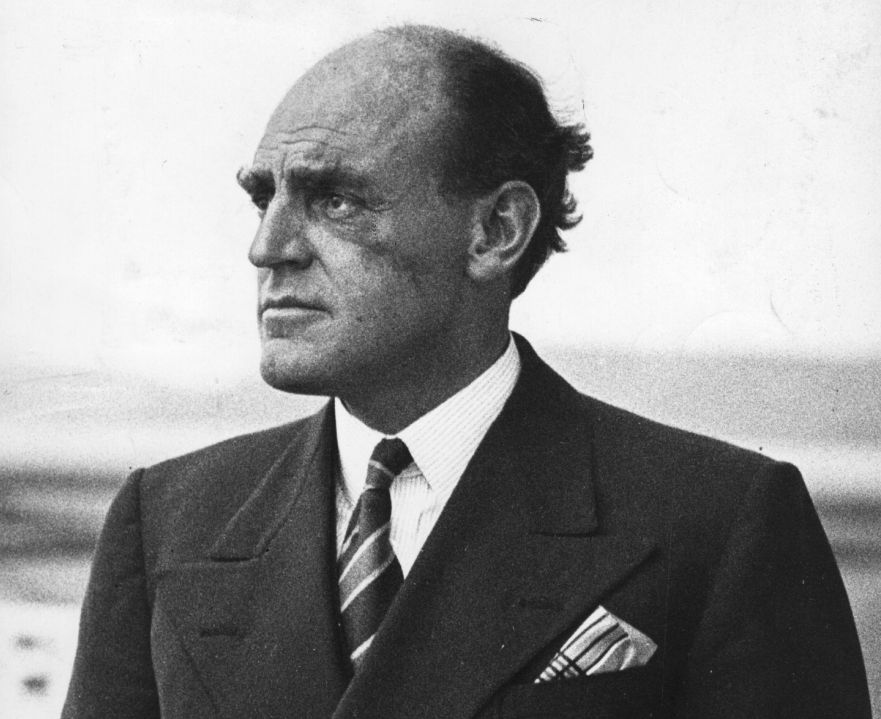
The BBC is failing from a collapse of purpose. When it began it had a mission: to attract, uplift, and enlighten. The Light Programme pulled in audiences with what was easy, then the Home Service introduced substance, designed to ‘steadily but imperceptibly raise the standard of taste, entertainment, outlook and citizenship’. Finally the Third Programme offered culture – the best that has been thought and known in the world. Reith acknowledged ‘that we are apparently setting out to give the public what we think they need and not what they want, but few know what they want, and very few what they need.’
Against that, consider the recent successes. Popular programmes include The Apprentice, Call the Midwife, Great British Menu and RuPaul’s Drag Race. The question is not whether they are good but whether successful and commercial programmes like these need state support. ‘The legitimate object of government,’ said Lincoln, ‘is to do for a community of people, whatever they need to have done, but can not do at all, or can not so well do, for themselves.’ He didn’t mean EastEnders.
Good television is not the exclusive possession of a lost age. I love Slow Horses, Only Murders In The Building, Fisk, Colin From Accounts, and Murderbot. These are shows that trust the intelligence of their audience. None have needed state support.
Rather than cheerleading for the best that has been thought and known, today’s BBC worships populism and holds high culture in contempt. Twenty years ago I turned off the Today programme in a moment of fury, and have never felt inclined to turn it back on. Radio 3’s deliberate drift towards Classic FM has diminished my two favourites: the intelligent presence of Ian Skelly, and the pleasures of the Mixtape. The last BBC I watched was a YouTube of Parkinson from 1973. Kenneth Williams and Jimmy Reid debated the function of the unions with a level of articulate disagreement that seems impossible today.
Without excellence and without ambition, the BBC isn’t an essential public service
It seems impossible because the BBC has made it so, by making us expect so much less. That Parkinson debate would never be commissioned today, let alone broadcast in peak hours. BBC news is biased, but the real problem is that it’s shallow.
Friends speak highly of In Our Time, From Our Own Correspondent, and other pockets of excellence. But do these warrant a regressive tax of nearly £4 billion, now potentially extended to those who have actively tried to opt-out? Targeted state support could avoid funding the vastly expensive mediocrity that makes up the rest of the BBC.
The corporation should be making programmes that are better than people think they want, more cultured than they feel they desire. When it pretends to uniqueness, but churns out commercial programmes no different to its competitors, the BBC loses its reason to exist. Without excellence and without ambition, the BBC isn’t an essential public service but state-backed banality. Forcing Netflix viewers to pay for it is shameless. People should be free to walk away.




Comments