
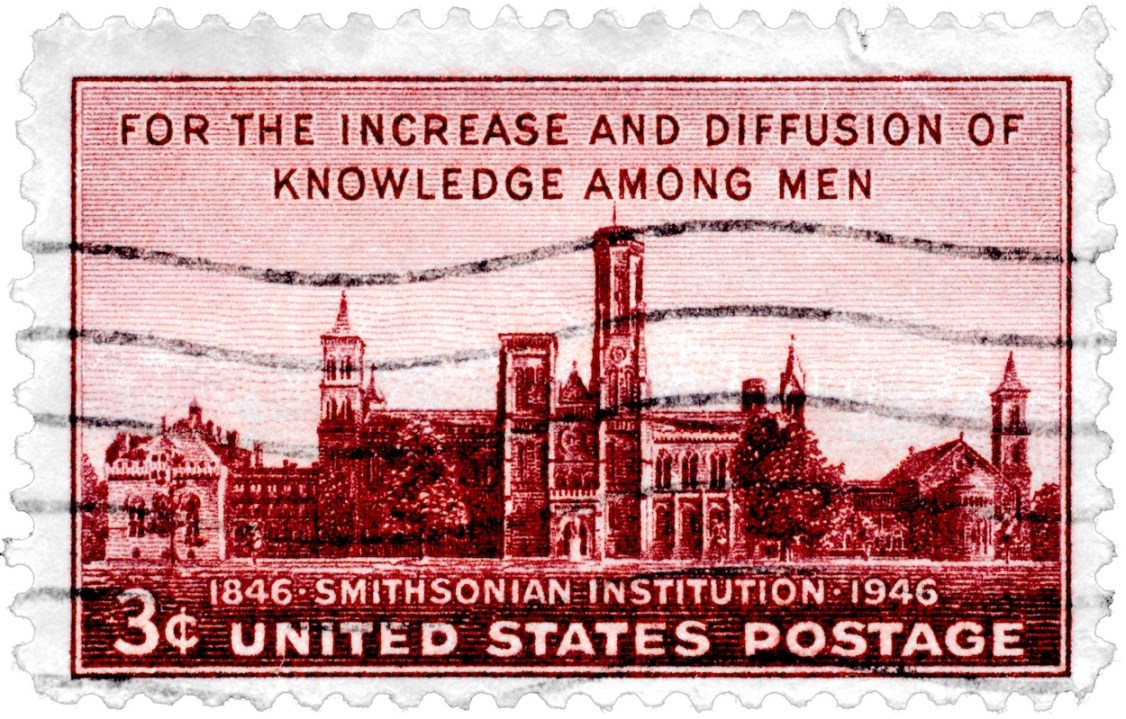
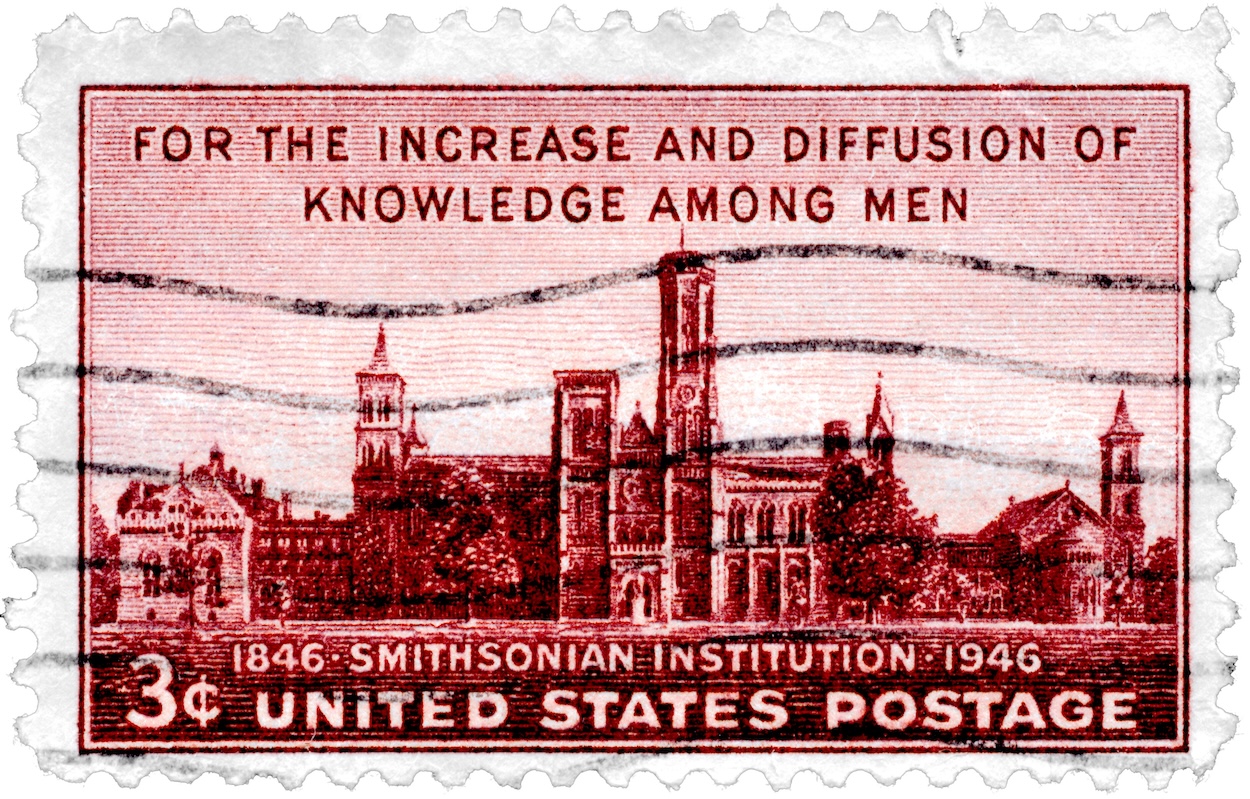
In the extensive coverage of this year’s July 4 celebrations in Washington, DC, it was often mentioned that 850,000 fireworks were detonated in the course of the evening. In fact, there were 850,001. For in addition to the extraordinary visual panoply on view there was a quieter but no less breathtaking detonation that day: the sobering 162-page report about the Smithsonian Institution issued by the White House’s Domestic Policy Council.
The museum’s leadership has explicitly stated that its goal is to transform history into ‘a prime tool of social justice’
Called “Saving America’s Story: How Ideological Capture at The Smithsonian Institution’s National Museum of American History Erases our Heritage,” this meticulously researched evisceration details the many ways in which one of America’s most important cultural institutions has betrayed its trust and failed the nation. “Our central finding,” we read towards the beginning of the report:
is not that the Museum has simply added overlooked stories, corrected perceived errors, or broadened its historical scope. Rather, it is that Museum leadership has explicitly adopted an ideological framework that no longer treats the American story as a shared national inheritance to be taught or celebrated, but as a political instrument to divide, dispirit, and discourage our citizens.
Gone is the practice of providing “straightforward historical education and scholarship.” Instead, the museum has become home to “an extreme political activism that seeks to transform our country.”
Readers who have been paying attention will know that this is not a new finding. Back in March 2025, President Trump issued an executive order called “Restoring Truth and Sanity To American History.” Its aim was to counter the “revisionist movement” in our cultural institutions that sought “to rewrite our Nation’s history, replacing objective facts with a distorted narrative driven by ideology rather than truth.” In August, the President’s lieutenants followed up on the order when they sent Lonnie G. Bunch III, Secretary of the Smithsonian, a letter whose subject line read “Internal Review of Smithsonian Exhibitions and Materials.” As I noted at the time, one major focus of that “comprehensive internal review” was to be sure that this sprawling, largely taxpayer-funded cultural mecca celebrated rather than denigrated America’s achievements and history.
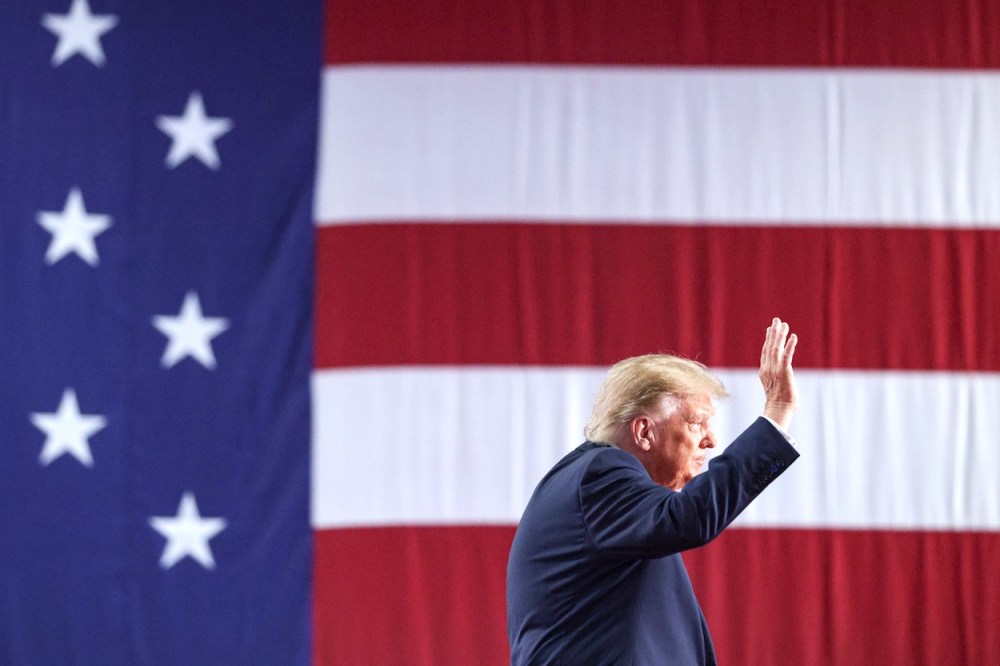
“Saving America’s Story” is the next step in the administration’s effort to “restore truth and sanity to American history.” Naturally, the legacy media reacted with horror. The New York Times deplored its “sweeping attack” on the museum. “It is,” they sniffed, “the latest step in the Trump administration’s campaign to pressure the Smithsonian into conforming to what President Trump has described as ‘patriotic’ history.” Why the scare quotes?
The Washington Post published a similar hand-wringing column, citing along the way a comment from Representative Joe Morelle of New York, ranking member of the committee that oversees the Smithsonian, who said that “Saving America’s Story” was “manufactured to control the narrative.” Well, yes. The point of President Trump’s executive order was to be sure that this premier cultural institution dispensed accurate history, not ideology, that it sought to affirm, not denigrate America’s heritage.
But what has this central part of the Smithsonian been doing instead? Citing chapter and verse, “Saving America’s Story” provides a litany of horrors. Anti-white activism? Yep. Transsexual activism and other sexual exotica, even in exhibitions meant for children? You bet. Celebration of illegal aliens? But of course. Did you know that Christopher Columbus was a “murderer,” a “slaver,” a “thief?” That “rational thinking” and “hard work” are traits of “White Supremacy Culture”? That America rests on “stolen land?” That Benjamin Franklin is of interest chiefly because slaves helped build his fortune? Thanksgiving, one exhibit proclaims, should be regarded as a “National Day of Mourning.” The Pilgrims who helped settle the country were oppressors.
Above all, the museum has sought to wean the public from its “America first mentality.” Instead of celebrating America’s 250th anniversary, the museum wants to “problematize” it. The museum’s leadership has explicitly stated that its goal is to transform history into “a prime tool of social justice” and to tie all its exhibitions to “the core issues of our time,” namely “race and identity,” “gender and sexuality,” “environmental change,” “immigration and migrations,” “economic inequality,” et very much cetera.
Reacting to “Saving America’s Story” in a memo to the Smithsonian’s staff, Secretary Lonnie G. Bunch III said that the report “is not a fair characterization of the work and totality of the National Museum of American History.” “At the Smithsonian,” he said, “our work is driven by scholarship, accuracy, and an uncompromising commitment to tell the fullness of America’s story.” Unfortunately, Saving America’s Story does not simply describe the museum’s departure from those goals; it cites in exhaustive particularity its explicit repudiation of them.
Indeed, the Smithsonian in general and the National Museum of American History in particular have come to resemble an activist college or university where America is a dirty word and the entire menu of radical, Marxist-inspired hostility to tradition is the order of the day. “In both theory and practice,” the report concludes, the museum “is a clear and institutionalized example of intersectional critical theory – an intellectual framework rooted in Marxism that seeks to radically transform society by revealing and challenging alleged ‘overlapping systems of oppression’ – applied to American history.” The Smithsonian, having abandoned its high purpose to preserve and transmit the true story of America, is itself in need of radical change. It requires new leadership and a return to its founding principles if it is to escape being a pathetic and demoralizing caricature of the worst features of contemporary academic fatuousness.




Comments