Last week, a new report by the Institute for Economic Affairs argued that the cost of transitioning to net zero could be billions – even trillions – more than some government forecasts. That may sounds worrying, yet in many ways it still understates the problem. Net zero isn’t just hurting our energy sector, it has a complete stranglehold over the entire British economy – and it is making us all poorer.
This is the ugly reality of net zero
No large company in Britain can escape its grasp. Our regulators, in league with asset managers, are constantly pressuring companies into pursuing costly and fruitless green goals that make them less profitable. As a result FTSE 100 companies now routinely have formal net zero targets. Their decarbonisation is largely measured using the Greenhouse Gas (GHG) protocol, which splits emissions into three categories: scope one, two and three. Companies are not considered properly net zero unless they meet their targets in every category.
Scope one emissions are those directly produced by a company’s operations, and are arguably the most intuitive and acceptable category for companies to tackle.
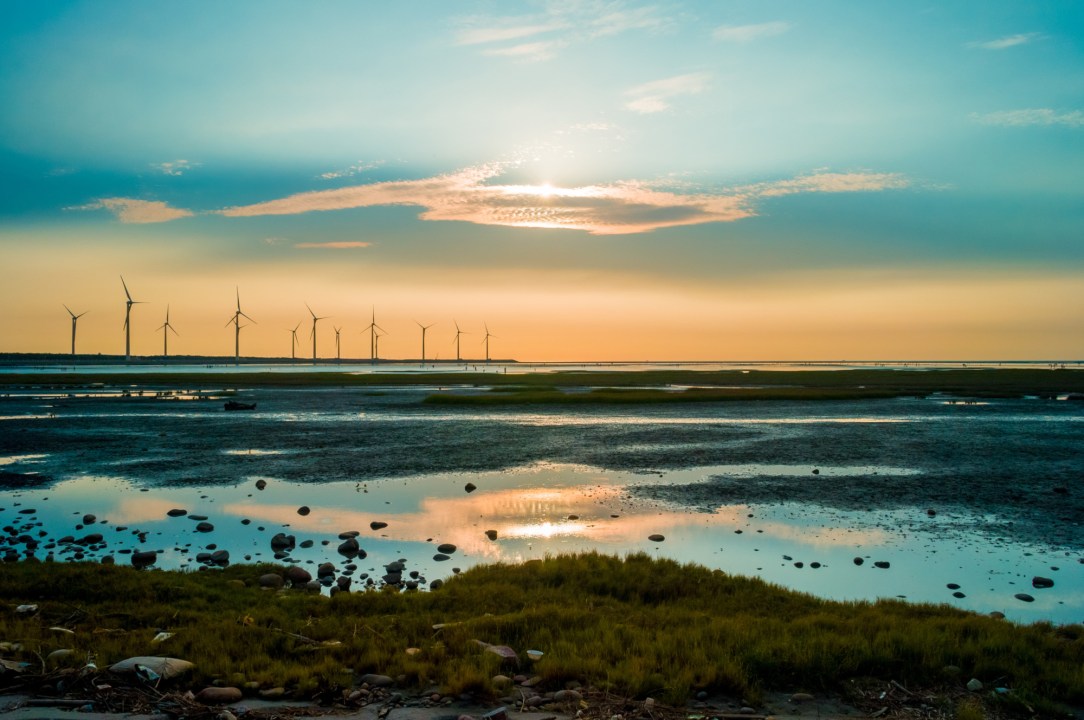
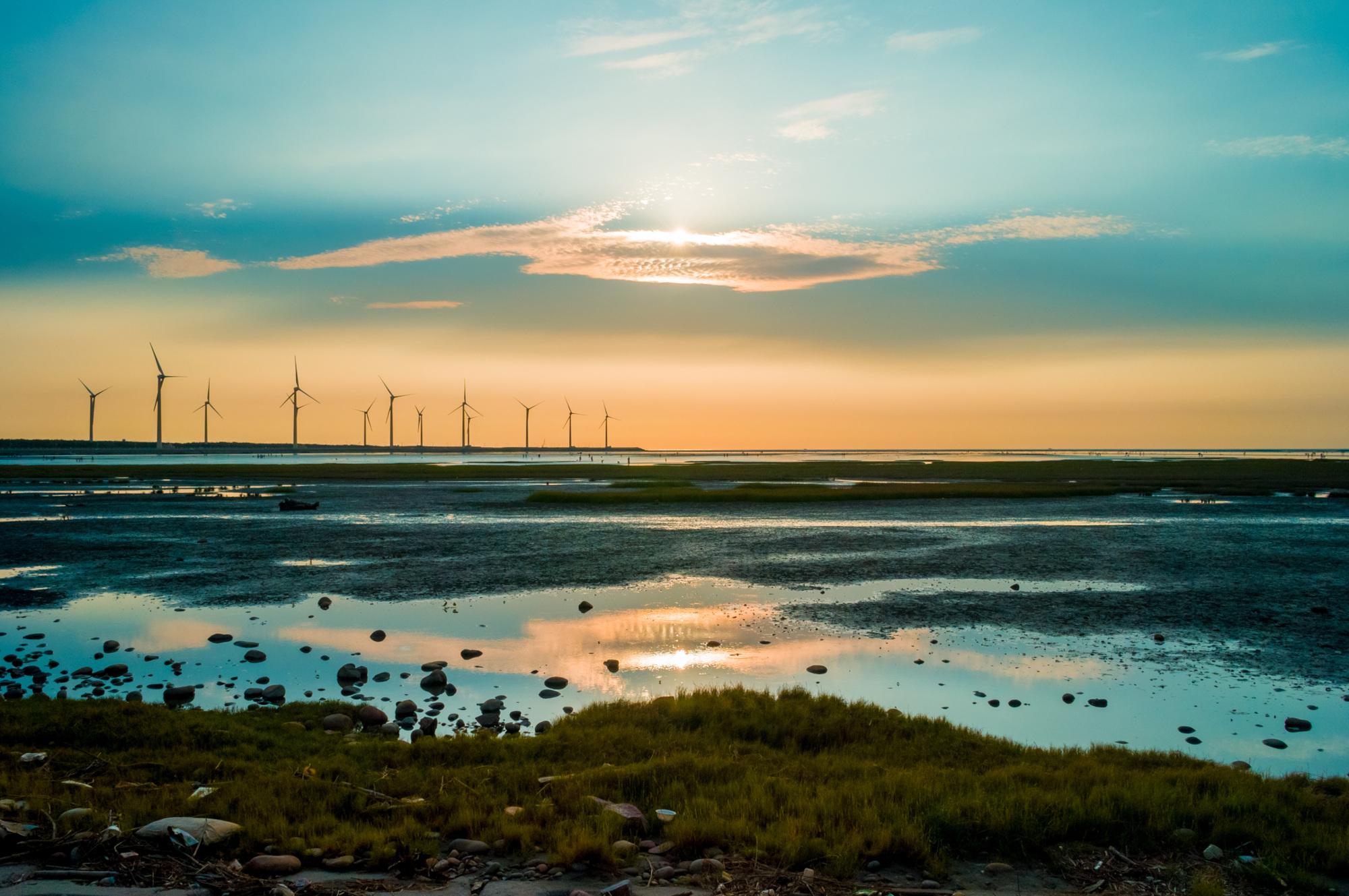
Scope two refers to the emissions that a company allegedly produces via its energy usage. This means companies are responsible for their energy supplier. Scope two obligations encourage companies to sign ‘Purchase Power Agreements,’ with specific renewable developers. These agreements make the company in question the sole customer of specific wind farms, purchasing their entire output at a predetermined price. Sainsbury’s now funds eight wind farms, peppered across the Scottish countryside, via such agreements. These allow Sainsbury’s to claim that they have reduced their Scope two emissions, as technically they are purchasing their power from a renewable source.

In reality, Sainsbury’s, and other companies with PPAs in place do not actually consume the electricity produced by the renewables they fund. Rather, it all goes into Britain’s electricity market blender. The latest wind farm backed by Sainsbury’s is only expected to produce electricity at the equivalent of full capacity approximately a third of the time, meaning that gas turbines must be constantly cranked on and off to plug the gaps.
This intermittency – the yoyoing of energy supply across the grid – impacts everyone’s bills. It is unavoidable when you make electricity generation dependant on the wind and sun. Roughly a quarter of a household electricity bill funds electricity network costs, which have exploded in recent years for this very reason. In many cases wind farms are paid to switch off when the wind blows too harshly and the grid can’t handle the upsurge in power. These payments are fast approaching £2 billion. This is all accelerated by corporations funding wind farms to meet their Scope two emission targets.
Things only get worse with Scope three, which requires companies to pursue net zero across their ‘value chain’, meaning all indirect sources of emissions. This includes suppliers, transportation providers, customers and employees. If a worker chooses to commute in a petrol-guzzling 4×4, as is their right, they are contributing to their company’s Scope three emissions and must be managed. This explains why many firms now offer employee electric vehicle leasing schemes. It is not a philanthropic endeavour, but an offering to their ESG (Environment, Social, and Governance) overlords.
Scope three means every facet must be scrutinised for its environmental impact. This certainly causes headaches and costs for business themselves as they bend over backward to conform, for fear of being penalised or losing access to capital. Yet it is often the smaller companies in the ‘value chains’ who bear the biggest brunt. Consider another supermarket, Tesco. They have committed themselves to net zero by 2050 and claim that 98 per cent of their emissions are in the Scope three category. Therefore, to reduce their emissions in any significant way they must deal with their suppliers.
Many of their suppliers are farmers, already buckling under rising costs and the government’s inheritance tax raid on family farms. Now they must contend with Tesco pressuring them to reduce their emissions.
One way Tesco applies such pressure is by partnering with NatWest to arrange for farmers to access loans to fund ‘renewable energy sources… and fossil free heating or cooling systems.’ Translation: Tesco is pushing farmers into debt. Not to buy more cattle or fertiliser, but to fund green technologies selected by environmental apparatchiks. Tesco celebrated that 1,500 farmers would partake in this scheme. We cannot know the exact amount each has borrowed but presuming it is in line with NatWest’s normal green finance terms we can assume a minimum of £50,000 per farmer. The average farm receives an annual government subsidy of £13,500. If each farmer paid back their loan in the minimum time frame, at the minimum interest rate (base rate), they would spend £6,000 on interest alone. That is almost six months’ worth of subsidy spent servicing green debt. It is a dizzying, state-induced financial circle.
This is the ugly reality of net zero. It is not all Teslas and reusable water bottles; it is farmers forced into debt to pay penance for their cows’ flatulence.
We must reject the Greenhouse Gas Protocol. Although the public support green policies in the abstract, the costly realities for their energy bills and supermarket shop are hidden from them and lack democratic consent. If net zero is to be enforced across the economy, it should make its case at the ballot box, not be socially engineered via bad regulations zealously applied by corporations.




Comments