Parliamentarians in New Zealand have been limbering up for an oddly unedifying debate over what ought to be the most ho-hum of legislative exercises: a Bill to recognise English as one of New Zealand’s official languages.
At the moment, New Zealand has two official languages: Māori and New Zealand sign language. Given English already reigns supreme in politics, education, business and the courts, the proposal seems to merely to give statutory form to the obvious state of affairs – a point the Bill’s sponsor is fond of making, noting that English is already ‘widely used and accepted’ in everyday life.
The Bill has been introduced by the country’s boisterous foreign minister, Winston Peters, the veteran and habitually combative leader of the populist New Zealand First party, which, alongside the libertarian ACT party, governs in coalition with Prime Minister Christopher Luxon’s dominant National party.
While Luxon’s administration generally sees eye-to-eye with its centre‑right partners on economic matters, relations have been rather more tetchy when it comes to cultural questions. For Luxon, a businessman until entering parliament in 2019, ‘solutions looking for problems’ – as he recently put it to this writer – almost always make for poor politics.
And few of those issues are quite so booby-trapped as the status of the colonial mother tongue. Especially with a tightly contested general election looming this November.
Peters insists that any controversy is overblown. The Bill, he argues, is little more than an exercise in ‘common sense’. Introducing the two‑page measure, he pointed to jurisdictions such as Ireland and Wales, both of which have English‑language legislation of their own (albeit in the interests of preserving the native languages of both countries) as evidence that New Zealand would hardly be striking out on some radical path.
The proposal, he said, would be a ‘first step towards ensuring logic and common sense prevails when the vast majority of New Zealanders communicate in English, and understand English, in a country that should use English as its primary and official language’. The Bill passed its first reading yesterday and now moves to the select committee stage.
Luxon appears unconvinced, his party’s official advisors even more so. In a recent briefing paper, government officials concluded that English ‘does not need to be legislated as an official language’, since it requires no statutory support to maintain its position in parliament, the courts or government communications. Strategies designed to bolster the ‘health or use of the English language’, they argue, would offer ‘no advantages’ and produce ‘no practical changes’.
The opposition parties are even more opposed. Labour politicians have dismissed the proposal as symbolic politics and a distraction, accusing the government of manufacturing a cultural scrap where none need exist. MP Duncan Webb describes it as ‘a silly piece of legislation that Winston Peters, in his Jurassic thinking, wants to put before his sub-sub-sub-section of voters.’
Behind the dispute lies the legacy of Jacinda Ardern’s previous Labour-led government. On Ardern’s watch, the Māori language – which was largely dormant until the late 1980s – was dramatically elevated to become an ‘official’ language. Government agencies and institutions moved swiftly to add fresh linguistic paint to their organisations, while some academic bodies dispensed with English altogether in parts of their nomenclature.
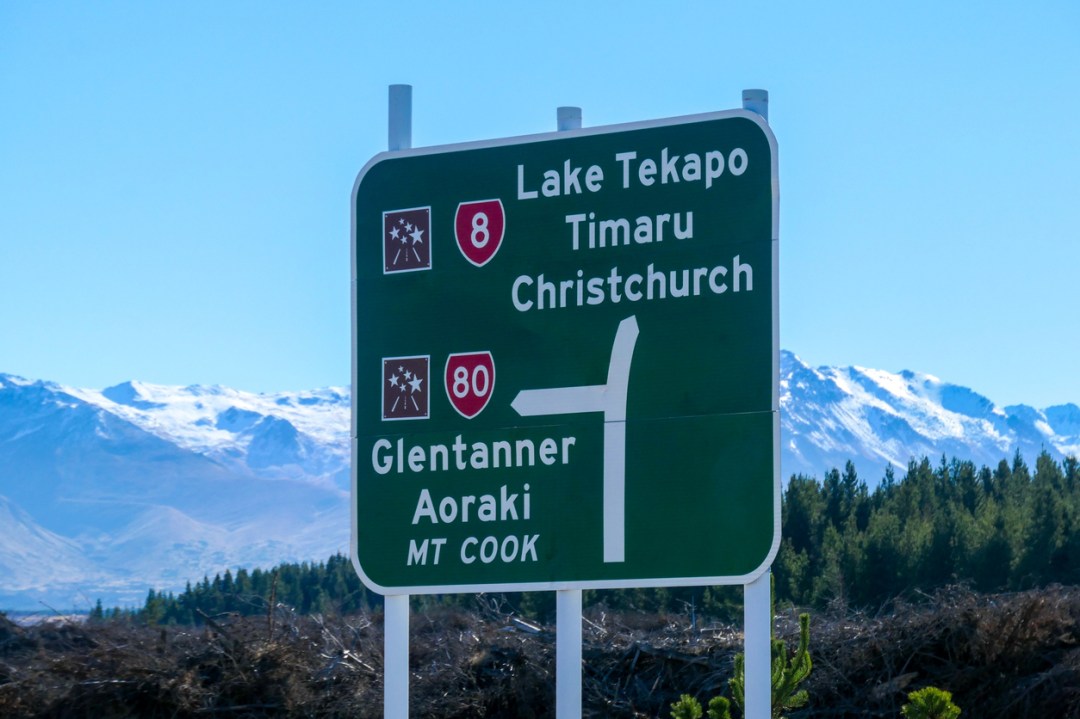
These changes might have been welcomed in many quarters, but they also provoked a fair degree of backlash, not least from outsiders who admitted the were baffled by the sudden ubiquity of Māori words and phrases used by officials. Towns and cities were also suddenly given Māori names.
Peters, himself a Māori, has made much of these criticisms. He has argued repeatedly that the proliferation of Māori has not merely confused the public, but in some cases created dangerous situations, citing instances in which emergency responders, unfamiliar with new place names, might struggle to locate an incident.
What looks like a modest linguistic tidying‑up exercise has thus become another skirmish in New Zealand’s version of the culture wars that seem to be a fixture wherever English is officially or unofficially spoken.


Comments