Even the BBC’s hit series The Celebrity Traitors is not immune from the mental health contagion engulfing these shores.
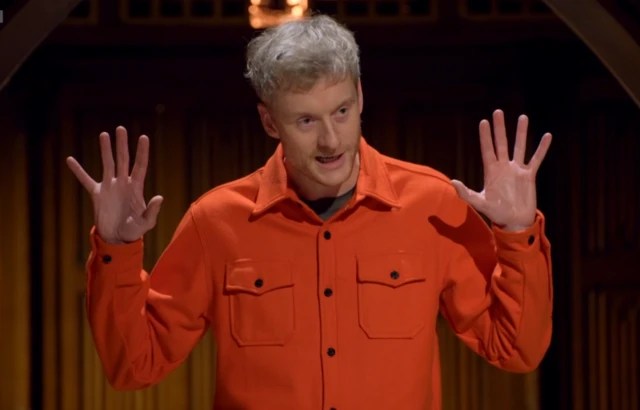
On Thursday night, James Acaster, one of the participants and a comedian by trade (if not by nature, judging by his soporific performance throughout the series), crumpled in front of the cameras. The pressure of having to tell lies as part of the reality show that he’d signed up to was too much for him.
In addition to spoiling the climax of this series, the Acaster incident reminds us that whereas we were once terrified of discussing our feelings, we now can’t resist it
He’d already trousered a reported £40,000 for the gig. Despite this, Acaster wasn’t happy that he’d been recruited as one of the game’s bad guys or ‘Traitors’. This meant he’d have to lie and murder people – not really murder them, although that would have been fascinating, given that ex-EastEnders’ Ross Kemp was slain after a yawn.
Acaster became ‘very anxious’ when Michael Sheen accused him of being a Traitor. The old thesp, who provided the only funny line in the Thursday night episode (‘That’s why we warm up!’ he’d bellowed from his diaphragm, after fellow celebs moaned their voices were hoarse from shouting), suspected that Kemp had been ‘murdered in plain sight’ by Acaster. Acaster should have denied it. Instead, he panicked, held up his hands, and asked to go home.
Press reports indicate he’d become so upset during the discussion that producers paused filming to intervene. The BBC has said the welfare of contestants on The Celebrity Traitors is its ‘highest priority’.
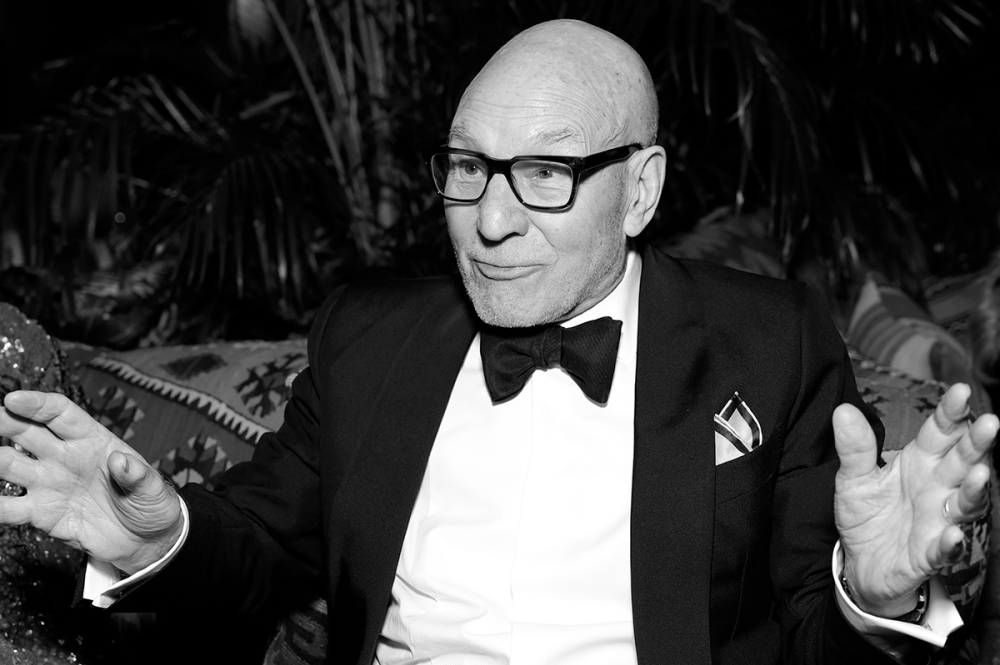
Cue a tsunami of online sympathy for people with mental health issues. Among the first-aid empathisers was Labour MP Dr Sam Rushworth. He gushed on X that Acaster had been ‘a fantastic male role model, decent, honest and open’. Eh?
Actually, Acaster hadn’t really been that ‘honest and open’ – otherwise he’d have warned the producers of the potential for a prolonged bout of passive aggression should he fail to land his preferred part as one of the good guys. It’s a campy role-playing exercise, for God’s sake, not Rollerball.
The empathy overdose continued after last night’s episode. In the follow-up ‘Uncloaked’ discussion programme (which the Beeb uses to wring every last bit of interest out of the show), pundits told us that in bowing out with a whimper, Acaster had been brave and honest, and that his plight had been moving.
In addition to spoiling the climax of this series, the Acaster incident reminds us that whereas we were once terrified of discussing our feelings, we now can’t resist it. Pendulums swing; it’s in their nature, I suppose. And this pendulum has swung a very long way in the other direction.
Acaster has previously joked about mental health on reality TV. In March 2019, the comedian appeared on The Great British Bake Off for Stand Up To Cancer. He went viral after serving under-cooked cherry Bakewell flapjacks to Paul Hollywood and declaring: ‘I started making it, had a breakdown, bon appétit!’ He has also talked about having serious mental health issues, including anxiety, depression and suicidal thoughts in the past.
None of these should be taken lightly, and he deserves to be treated with sympathy and compassion.
But do we know for sure that his flaccid exit from the Traitors stemmed from a mental health episode, or represented a shining example of openness and self-awareness? Perhaps he’d simply had enough and wanted to go home.
The reaction on social media to last night’s Traitors episode underlines the unhealthy tendency to pathologise any or all incidents of distress, no matter how minor or transient they are.
The online echo chamber is creating hysteria, a morbid interest in mental illness, and encouraging young people to (mis)diagnose themselves with any number of conditions, from anxiety disorder to ADHD and autism.
Earlier this year, academics at UEA’s Norwich Medical School studied more than 5,000 social media posts about mental health and neurodivergence, across all the main social media platforms. What they uncovered was a mess. A riot of exaggerations, lies, and scientifically illiterate nonsense. Some of which appeared designed to encourage young people to believe they were mentally ill.
One of the researchers, Dr Eleanor Chatburn, said: ‘Mental health information on social media matters because many young people now turn to these platforms to understand their symptoms and possible diagnoses’. She noted that TikTok, which was the worst offender, has been linked to young people labelling themselves with mental health or neurodevelopmental conditions. The situation is made worse by any number of ‘influencers’ spouting bilge on YouTube.
A good friend of mine, an experienced psychotherapist, says he’s aware of people ‘teaching themselves’ the symptoms from Google searches. Neurodivergence as a badge of honour.
It’s not very clinical, but sometimes the phrase ‘pull yourself together’ does have a place.
Talking honestly and openly about mental health is vital for removing stigma and ensuring that those who really need treatment can access it. But if hundreds of thousands of young are encouraged to cry wolf, how will that be possible in a health system that’s already buckling under the strain?




Comments