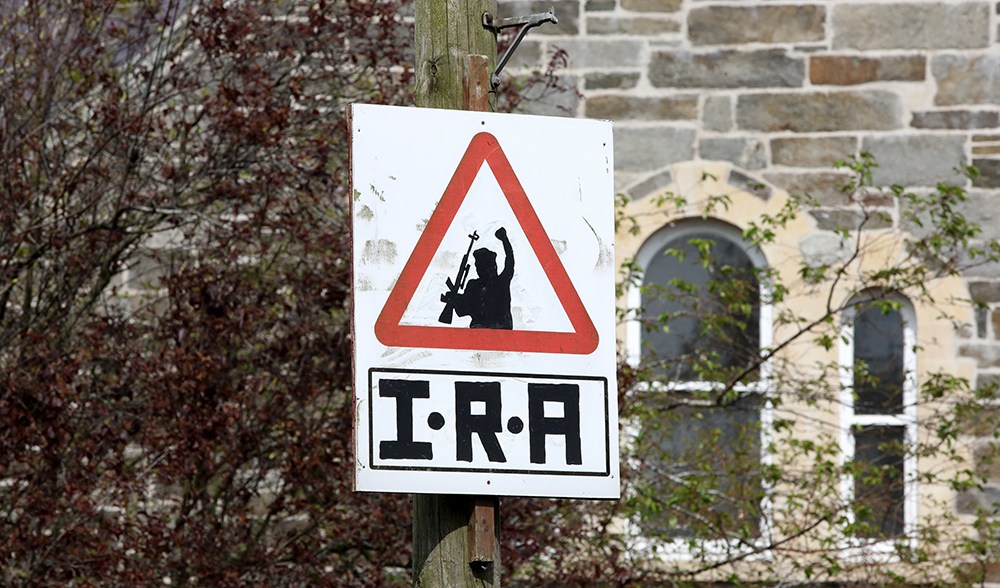
More British military personnel were killed during the Troubles than in Iraq and Afghanistan combined. As well as soldiers, innocent members of the public, MPs, police officers and the royal family were all targets. The Good Friday Agreement ended the armed campaign, but the fight to rewrite how the Troubles are remembered has continued. Warfare has become lawfare.
When I resigned as armed forces minister in June, defence funding dominated the headlines, but the Northern Ireland Troubles Bill was the other reason I stood down. The Good Friday Agreement was a defining Labour achievement. Mo Mowlam walked into the Maze to talk to people most of the country would not have stomached sharing a room with. Peace required everyone to do things that were politically excruciating. The genius of 1998 was that everyone accepted an imperfect settlement and gave something up in exchange for something back.
The new Northern Ireland Troubles Bill breaks that symmetry. On one side, a single independent body, the Independent Commission for Reconciliation and Information Recovery (ICRIR), with more access to redacted intelligence than any public inquiry has ever had. On the other, a legacy unit inside the Irish police, with a growing queue of inquests and civil cases brought by families on each side of the conflict, but especially by aggrieved family members of the IRA.
Most IRA family members do not want closure, they want leverage. They want the British state in the dock, judged on terms written by those who blew up pubs and shot policemen in front of their families. The Bill, as drafted, hands them what they want: a legal framework that runs in one direction only.
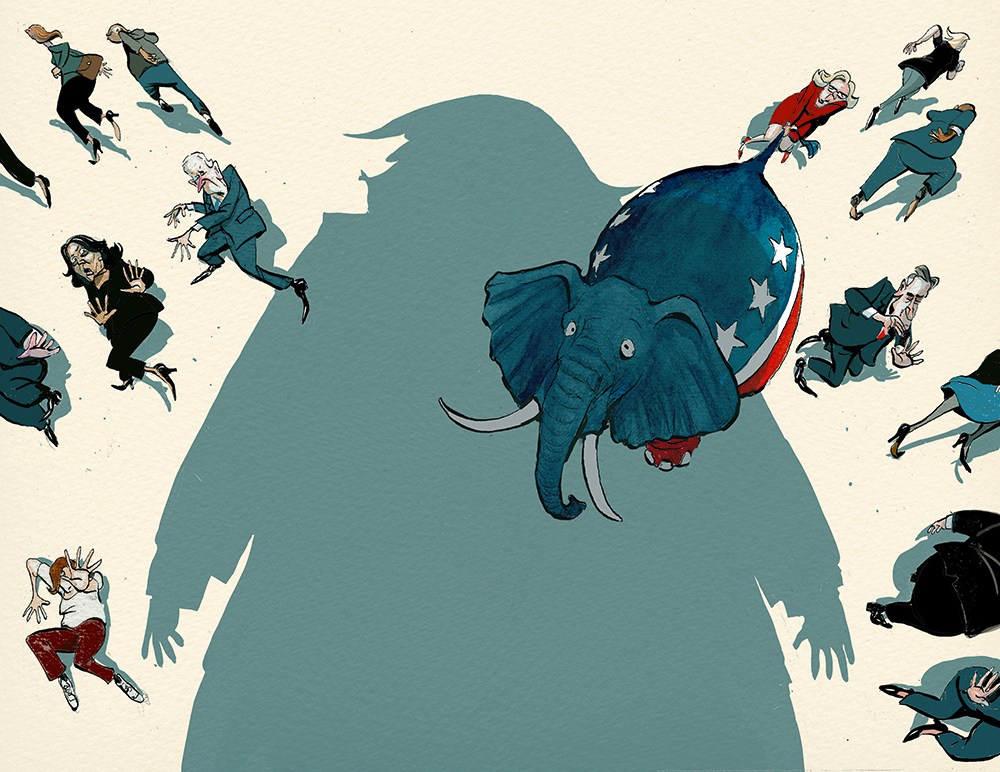
The British state’s archive is open, the soldiers’ names are known, and so are the rules of engagement. The IRA kept no comparable archive and if records ever existed, they have been destroyed. If only one participant kept records of warfare, you can guess which side will come out worse. This is a hierarchy of truth. In government, I urged the then Northern Ireland secretary, Hilary Benn, to get a line into the Bill stating there is no equivalence between a member of HM Armed Forces and a member of the IRA. To his credit, he said this at the despatch box more than once, but the words are not in the Bill. The statute in Northern Ireland from 1967 made everyone equal in law, and those drafting the Bill could not find a workaround.
Every legacy case should, without exception, go to ICRIR. It has the powers and the access, and it can refer where the evidence justifies it, whether that means prosecution or an inquest.
The previous Conservative government’s Legacy Act offered conditional immunity for veterans, but the courts found it incompatible with the ECHR, and Labour was left to clean up the mess. More than 30 inquests and inquiries sit on the Solicitor General’s desk. The Bloody Sunday inquiry cost around £200 million and delivered no convictions. A public inquiry at the low end costs about £20 million. If the Bill passes as drafted, we are looking at a string of inquests costing hundreds of millions of pounds of public money and probably no prosecutions.
Veterans’ groups are not asking for immunity. They agree that anyone who broke the law should answer for it. But this is a choice between a process that grinds on and delivers neither truth nor accountability, and one that could deliver both. We are ceding the narrative to those who would reduce a complex conflict into a simple story: that the British state was the aggressor and those who served it were complicit. The Republican movement wants to punish the veterans, punish the British state and rewrite the history of the Troubles.
I believe the Prime Minister and the new government can build on the work of Tony Blair and Mowlam and get this right. Get it wrong and we hand Reform the veterans, Sinn Fein the constitution and the Tories the satisfaction of watching us fail at something they could not do themselves. Make the ICRIR the route to truth, reconciliation and justice, and finish this. There is still time.





Comments