Grade: A–
For some record collectors, the fun lies in comparing recordings of standard repertoire. For others, it’s more about exploring – discovering works that are extinct in the concert hall, but which the inscrutable economics of recording make viable. If you’ve a habit of forming modest crushes on wallflowers and unfashionable composers, the news that Chandos is recording the orchestral music of Edward MacDowell (1860-1908) will bring a pleasant flush of blood to the cheeks.
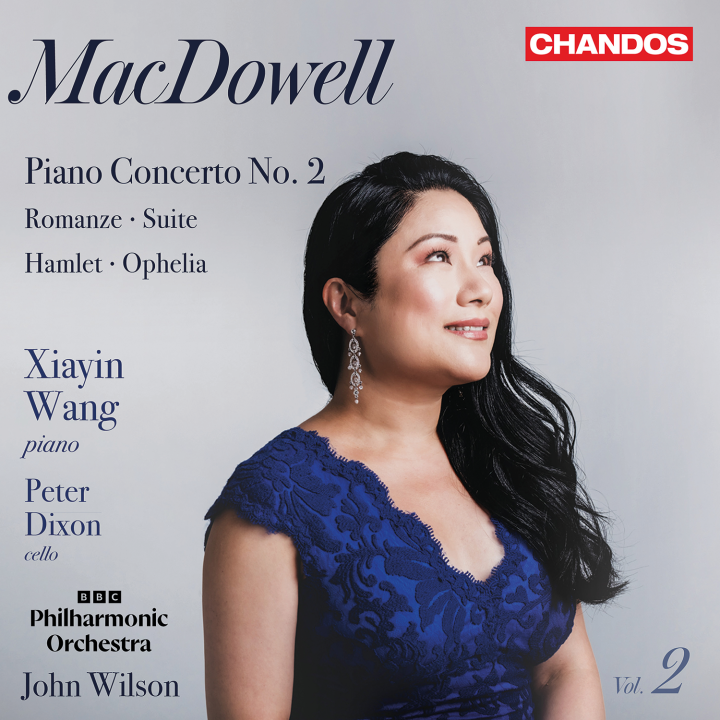
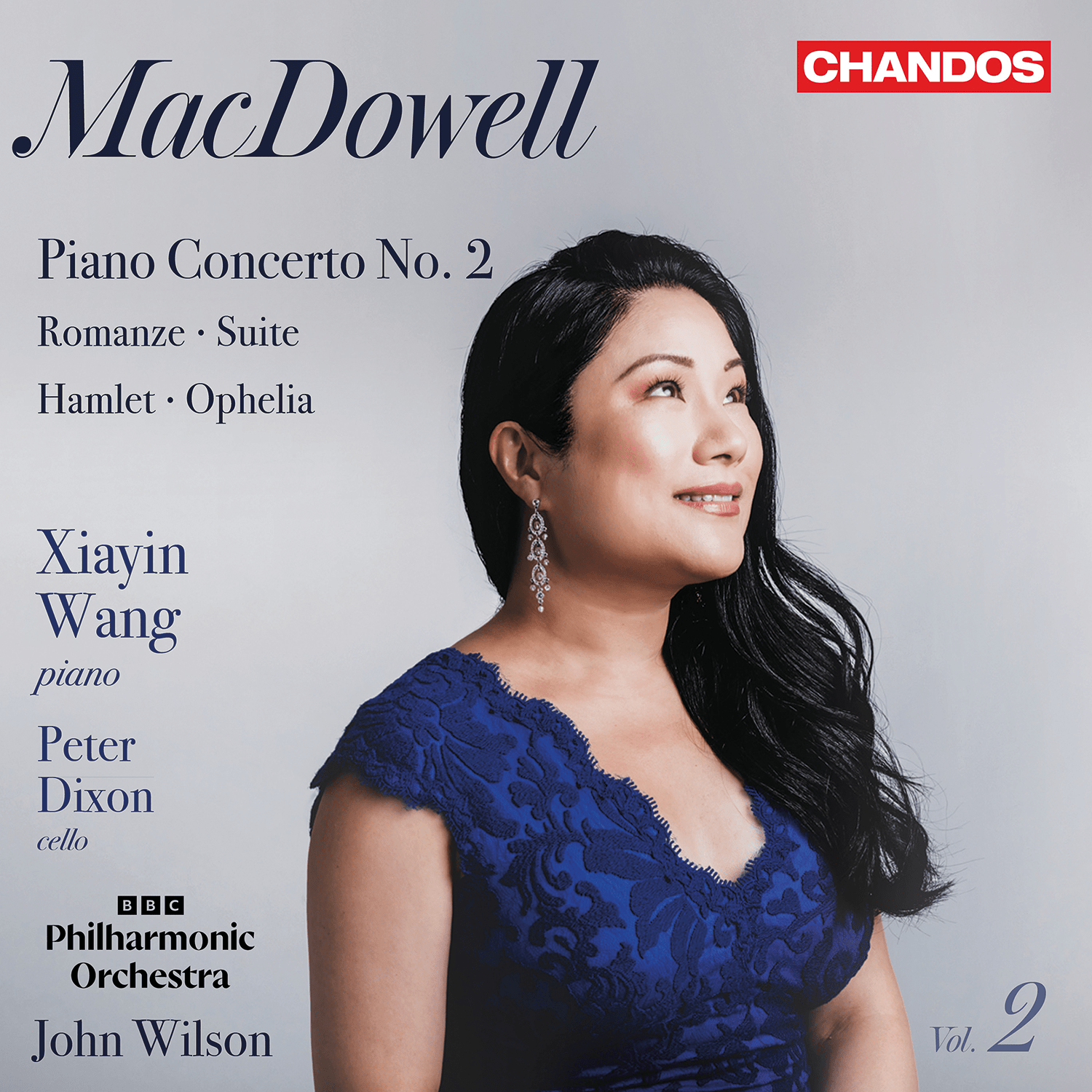
MacDowell, in short, is what American classical music sounded like before there was such a thing as American classical music – before Copland, Gershwin and all that jazz. Romantic, in other words; very, very Romantic. MacDowell was born in New York but studied in Germany and at first listening his music suggests the Rhineland rather than the Hudson Valley. The Second Piano Concerto of 1890 wears its debt to Grieg so openly that it’s hard not to smile. The First Orchestral Suite finds MacDowell indulging in the full Germanophile cultural cringe, with movement titles including ‘Im Oktober’ and ‘Waldgeister’. But who cares? It’s tuneful, poetic and painted in rich, glowing orchestral oils. And for once, these recordings are more than read-throughs. They’re expressive, fully formed interpretations conducted by John Wilson, who knows exactly how to inspire an orchestra. The Chinese-born pianist Xiayin Wang is the soloist in the concerto, and she plays it like she’s a finalist in the Tchaikovsky Competition. If any artists can make the case for MacDowell, it’s these two, for the simple reason that they don’t merely perform this music. They sound like they love it.


Comments