
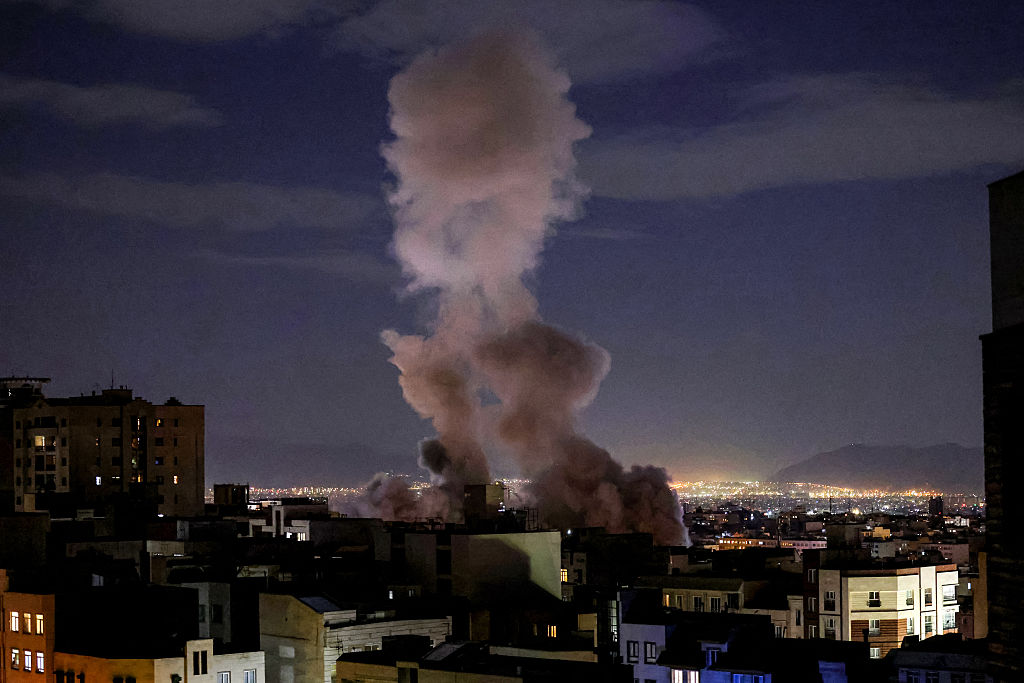
The conflict between Israel, the United States and Iran has escalated dramatically, with simultaneous air strikes on Tehran and Beirut, missile exchanges across the Gulf, and drone attacks reaching the US embassy in Riyadh.
By 7.30 a.m. Israel time, the Israel Defence Forces (IDF) announced it was conducting a ‘wide-scale wave of attacks’ against what it described as the Iranian terror regime and the Hezbollah organisation, striking targets in both the Iranian capital and Lebanon’s southern suburbs of Dahiya. The IDF later said its aircraft had killed members of Iran’s air defence array who were attempting to target Israeli jets, and that it was continuing to suppress Iranian radar systems, launchers and ballistic missile sites.
An evacuation warning was issued by Colonel Avichay Adraee, the IDF’s Arabic-language spokesman, ordering residents in marked buildings in Al-Hadath, near Dahiya, to move at least 300 metres away due to their proximity to Hezbollah facilities.
In Lebanon, the health ministry reported 52 dead and 154 wounded in Israeli strikes since midnight. By evening, Lebanon’s crisis management unit said 28,500 people had fled their homes, with major roads north from Tyre and Sidon paralysed. This morning the IDF announced it has launched a forward defensive operation in southern Lebanon, with ground forces positioned to protect communities in northern Israel.
Inside Iran, explosions were reported in multiple cities including Kermanshah, Ilam and Bandar Abbas, while Iran’s Atomic Energy Organisation said the Natanz nuclear site had been struck. Israel’s military intelligence chief, Major General Shlomi Binder, said that more than 40 ‘of the most important people in Iran’ had been eliminated in a single 40-second operation, and said the air force had carried out approximately 1,000 combat sorties over Iranian skies.
The United States once again confirmed it was fully engaged. In a war powers resolution letter sent yesterday, President Trump formally spelled out to Congress that US forces had conducted precision strikes beginning on 28 February, targeting ballistic missile infrastructure, maritime mining capabilities, air defences and command-and-control nodes inside Iran. The letter reiterated that no US ground forces were deployed and cited the protection of US personnel, defence of allies including Israel, and safeguarding maritime navigation through the Strait of Hormuz as legal justifications.
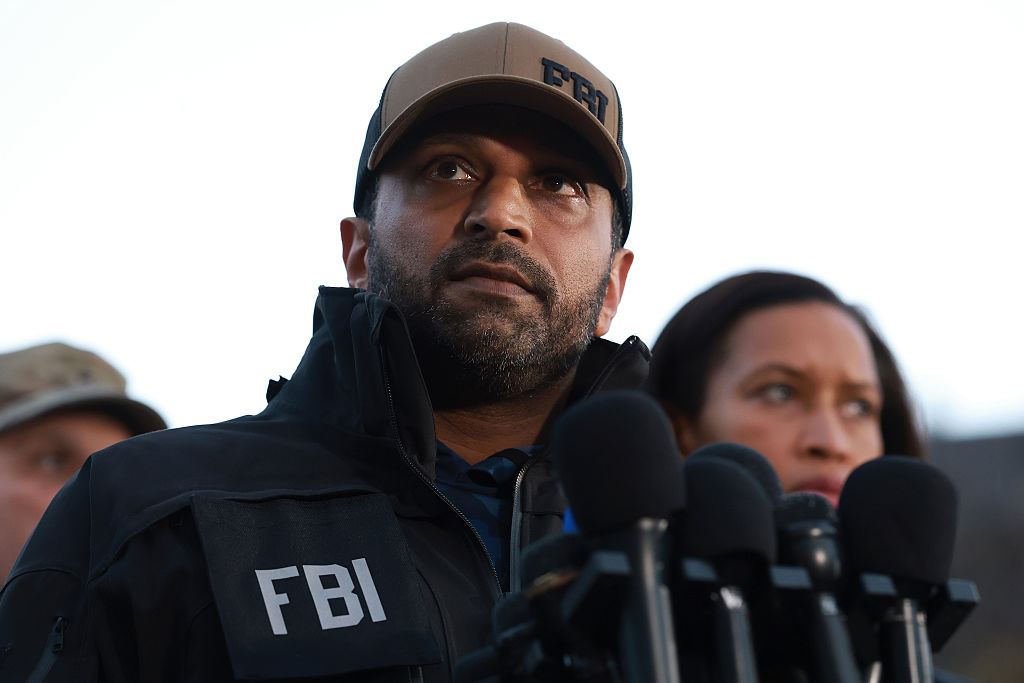
US Central Command stated that 1,250 targets had been struck in Iran since the operation began and that 11 Iranian naval vessels in the Gulf of Oman had been destroyed.
The nuclear dimension featured prominently in Washington’s messaging. On Fox News overnight, presidential envoy Steve Witkoff claimed Iranian negotiators had openly boasted as their opening negotiating position that they held 460 kilograms of uranium enriched to 60 per cent. Enough, he said, for 11 nuclear bombs. Former vice-president Mike Pence told Fox the President had acted to ensure Iran could ‘never have a nuclear weapon’ rather than just to safeguard the next three or four years. In his interview on Fox, Israeli Prime Minister Benjamin Netanyahu described the campaign as ‘a gateway to peace’, arguing that Iran had spent 47 years chanting ‘death to America’ and was committed to destroying the United States and Israel.
As Israeli and US aircraft struck Iran, Iranian retaliation intensified across the Gulf.
Shortly before midnight local time, Qatar’s ministry of defence said its air defences had intercepted two Iranian ballistic missiles over Doha. Minutes later, Kuwait’s armed forces said they were confronting a wave of Iranian ballistic missiles and drones and attempting interceptions. Iran’s Revolutionary Guards (IRGC) claimed it had targeted the US Camp Arifjan base in Kuwait with ten attack drones and launched a separate drone strike against a gathering of US forces in Dubai.
In Saudi Arabia, two new blasts were heard in Riyadh’s diplomatic quarter late in the evening. An official spokesman for the Saudi ministry of defence said the US embassy in Riyadh had been attacked by two drones, causing a limited fire and minor material damage to the building. Earlier, President Trump warned that retaliation for the embassy attack and for US service members killed would soon become clear: ‘You’ll find soon what the retaliation will be,’ he toldNewsNation.
Reports also emerged of continuing drone and missile attacks against US facilities in Erbil, Iraq, where Iraqi officials said more than 70 missiles and drones had struck the city earlier in the day.
In Britain, the crisis prompted a sharp political debate. Conservative shadow attorney general Lord David Wolfson publicly rejected reported legal advice underpinning the Prime Minister’s refusal to support the US-Israeli strikes or allow US use of UK bases. Arguing that international law must not shield tyrannical regimes, he said that declining participation was ‘a mark of shame’ rather than prudence.
With missile sirens sounding from northern Israel to Gulf capitals, oil markets jittery and both Washington and Tehran signalling further action, the region entered Tuesday morning braced for another round in what is rapidly becoming the most expansive Middle Eastern conflict in years.

Comments