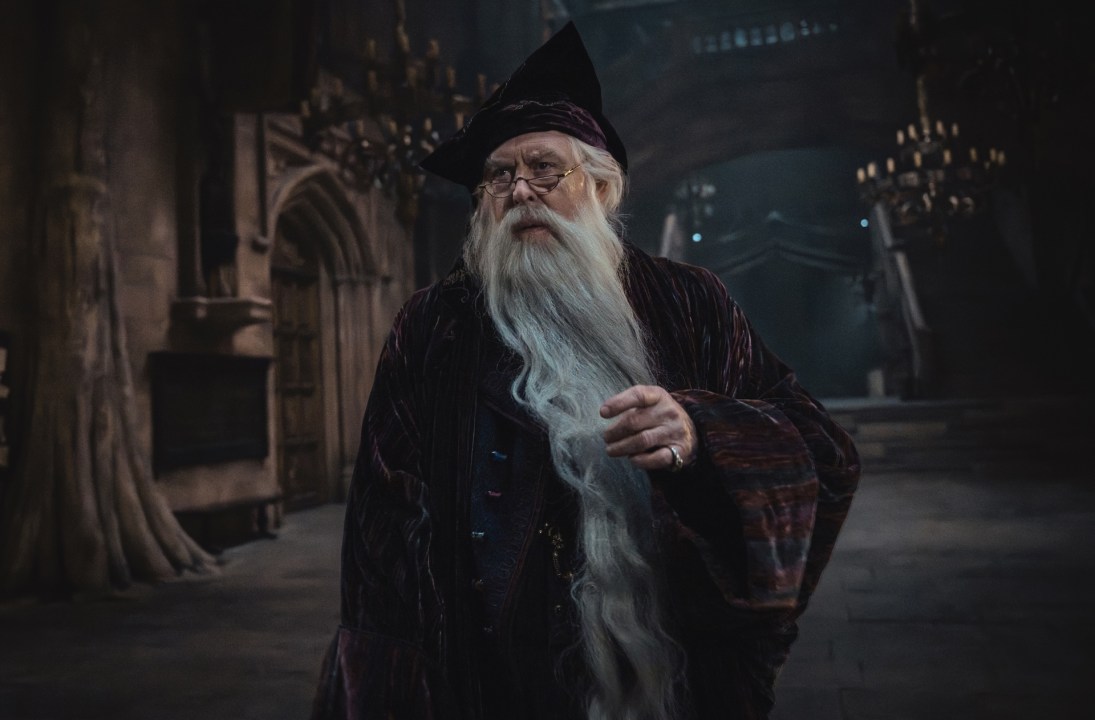
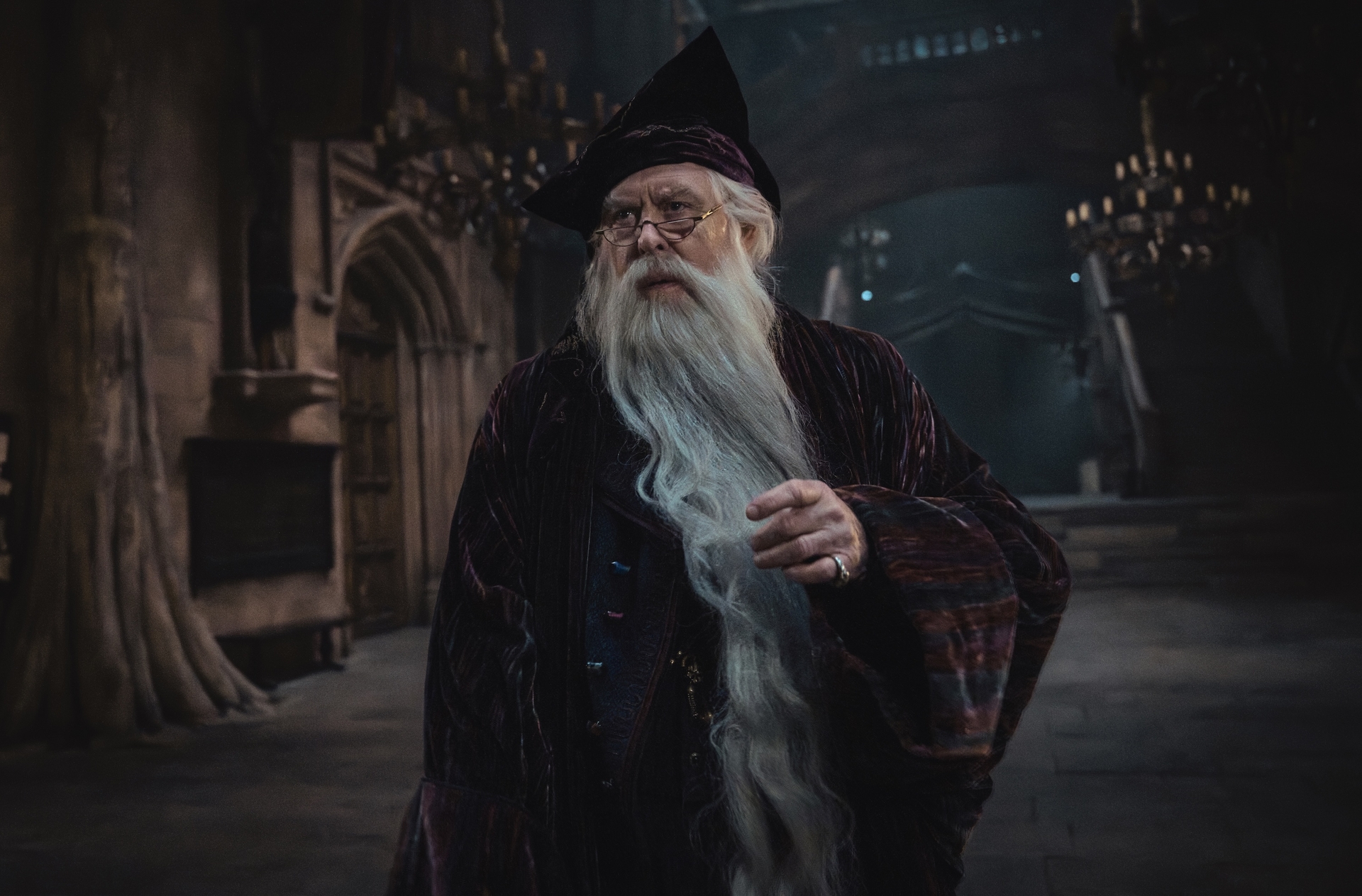
Nostalgia is often seen as a positive emotion, but the word actually derives from the Greek nostos, meaning ‘homecoming’, and algos, meaning ‘pain’. Nostalgia is really a type of homesickness, an ache for something lost. As audiences watch the new trailer for the HBO Harry Potter television series, the algos may hit pretty hard: those tantalising two minutes are the reminder we need that you can’t catch lightning in a bottle twice.
The first thing you notice is simply how bad everything looks. Shows seem to have an obsession nowadays with making everything as dark as possible, so that you are constantly trying to adjust the light settings of your screen to see what’s actually happening. Even the colours of the recent Wicked films – an emerald-saturated dreamland that changed the possibilities of film forever – are as dull and dreary as dishwater.
The colour grading of Harry Potter the television series looks similarly awful. Everything looks sterile, washed-out, muted, as if we are watching a depressing crime documentary. Where is the colour, the whimsy, the mischief? Where is, well, the magic?
What made the original films so special was how each one matured cinematically, virtually in rhythm with the performers and the audience: the films looked more gloomy as the material became more serious. There is no potential for development here: Harry already looks like he could be on the set of an anti-drug advert or a new series of Adolescence. The darkness of it all – both literally and metaphorically – proves that the show is really for infantilised adults who can’t move on (sorry, magic-loving millennials) rather than actual children. And if it is not trying to appeal to a new audience, then what really is the point?
The show is also clearly caught in a creative chokehold. The series can’t deviate from the original film’s aesthetics or details because they are so deeply embedded into the Harry Potter merchandising machine: even the set designs are shackled to the look of the Harry Potter theme parks. The whole thing therefore becomes very uncanny valley: it’s like watching a shot-for-shot video game remake where where they couldn’t get the rights to the original actors’ likenesses. It’s weirdly unsettling – why does Mr Dursley look like Gary Oldman’s Commissioner Gordon? It’s also deeply depressing because it hammers home just how unoriginal everything we watch in Hollywood (or at home) really is.
Risk-averse studios assume that familiarity breeds anything but contempt and so we are now force-fed a comfort-food diet of reboots, remakes, sequels, spin-offs and live-action adaptations. Studios are not just mining existing intellectual property but scraping the bottom of the barrel: this year alone we can expect 60 new additions to existing franchises, including a live-action Moana (there was a sequel only two years ago), Toy Story 5, a remake of The Mummy, another Scary Movie and a new Hunger Games prequel.
Harry already looks like he could be on the set of an anti-drug advert or a new series of Adolescence
Of course, there is a financial logic in recycling already successful products, stories, and styles: in the 15 top-grossing films of all time, only two non-sequels make the list (Titanic and Avatar). Disney’s sludgy, creatively-lazy ‘live action’ remakes of animated classics are both shockingly expensive and shockingly profitable: The Lion King (2019) cost more than $250 million to make but has since made more than $1.6 billion at the Box Office.
The Harry Potter television series will probably follow a similar trajectory. It may set a new record for being the most expensive television production ever (it is rumoured to be spending more than $100 million per episode, so you would think they could afford some better lighting) but I am sure it will make billions, no matter how creatively bereft it is. After all, the teaser racked up over 32 million views on Instagram within four hours.
The question is why this continuous (re)manufacture of memory works so well. Is it because audiences are desperate for escape, comfort and familiarity because of the dire state of the world beyond the cinema? Would a therapist say that in our anxious times, people are looking for a sense of control and emotional regulation? Is it because we want to try and recapture what it felt like to live in a more innocent, pre-smartphone era – as well as introduce that to our children?
Whatever the reason, the brand is so strong, and the Harry Potter following so devout, that the show could be AI slop and it would still go viral. The teaser tells you everything that is wrong about our current cultural moment, but also why it will still be a stonking success anyway – after all, who cares if it’s good, as long as it’s familiar?



Comments