
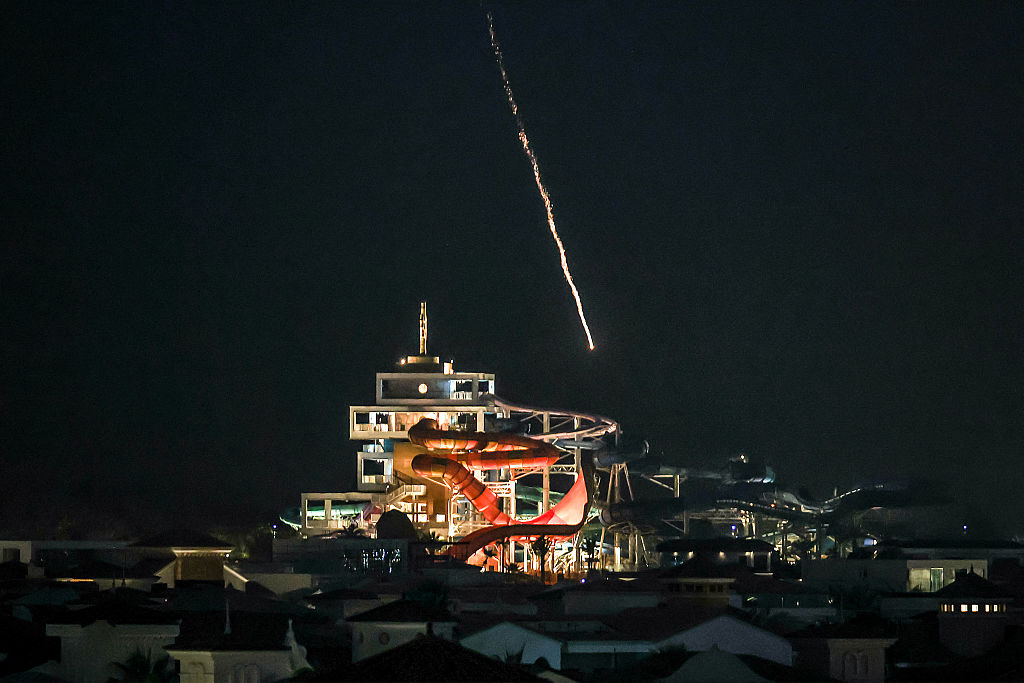
Iran threatened harsh retaliation in the wake of the American-Israeli attacks that killed the country’s supreme leader and many of its senior commanders. Its response consisted of a barrage of missiles aimed at Israel. So far, so predictable. Yet, at the same time, Tehran chose to direct its firepower at neighboring Gulf states, countries that have been encouraging diplomacy and warning against war. Iran’s actions are an object lesson in how to alienate your friends and neighbors.
So far, they have continued to employ the rhetoric of de-escalation. But that’s untenable if Iran continues to target their territory
The Iranians targeted Saudi Arabia, the United Arab Emirates, Qatar, Bahrain, Kuwait, Oman and Jordan. Explosions rocked the Saudi Arabian capital Riyadh. The country’s largest refinery was forced to close after being targeted. An Amazon data center in the UAE was hit. The Iranians targeted luxury hotels and shopping malls in densely populated cities (so much then for the Iranian claim that its strikes were aimed only at US military targets).
Abbas Araghchi, Iran’s foreign minister, had some soothing words for his regional counterparts. These countries were not really being attacked; Iran was simply targeting US interests in these countries. Araghchi claimed Arab Gulf countries should instead be angry with the Americans and Israelis for imposing this war on them. It amounted to a rather pathetic attempt at justifying naked aggression, a classic example of Tehran’s double-speak when it comes to defending the indefensible. This bluster convinces no one. Saudi Arabia and neighboring countries were all quick to condemn the Iranian assaults. The Gulf Cooperation Council was equally forceful, describing the attacks as “heinous.”
The Gulf states have some big decisions to make. So far, they have continued to employ the rhetoric of de-escalation. But that’s untenable if Iran continues to target their territory. It makes them look weak in the eyes of their own citizens. Do they respond in kind to these unprovoked attacks? What would that lead to in terms of an Iranian response? The bigger problem is the law of unintended consequences and the genuine fear that this mini war within a wider war could spiral out of control. The Gulf nations don’t want to end up being dragged into a conflict they do not want and have done everything possible to avoid. Even so, a choice will have to be made.
More broadly, Tehran’s attempts to drag its neighbors into its war with America and Israel looks like a serious miscalculation, with long-term ramifications for the balance of power in its immediate neighborhood. The Gulf states, having been attacked, may now want to have more of a hand in shaping the eventual outcome. There must be a strong suspicion, whatever they choose to say in public, that behind the scenes they are quietly urging the Americans to finish the job and rid the region of the troublesome mullahs once and for all. They will rightly be worried that, should the regime in Tehran survive this war, there is no telling what it might do next. Iran and its neighbors have long harbored suspicions about each other’s motives and make for strange bedfellows at the best of times. Their relationships and alliances, often broken before being patched up again, are purely short-term marriages of convenience, governed by opportunism rather than some grand strategic bargain.
The Tehran regime knows it is engaged in a fight for its very survival. It will do anything it can to widen the war in order to create maximum chaos, even if that means attacking its Arab neighbors. Playing for time, staying in the fight and simply enduring is a form of victory for the mullahs. The Gulf states have a different agenda. They want regional stability to help shore up their own governments against restive populations and, just as importantly, to get on with the primary business of making money through selling oil and attracting tourists. Something has to give. Now might be the time for Iran’s neighbors to finally get off the fence by acknowledging openly that the Tehran regime poses a mortal danger to every other country in the region.



Comments