
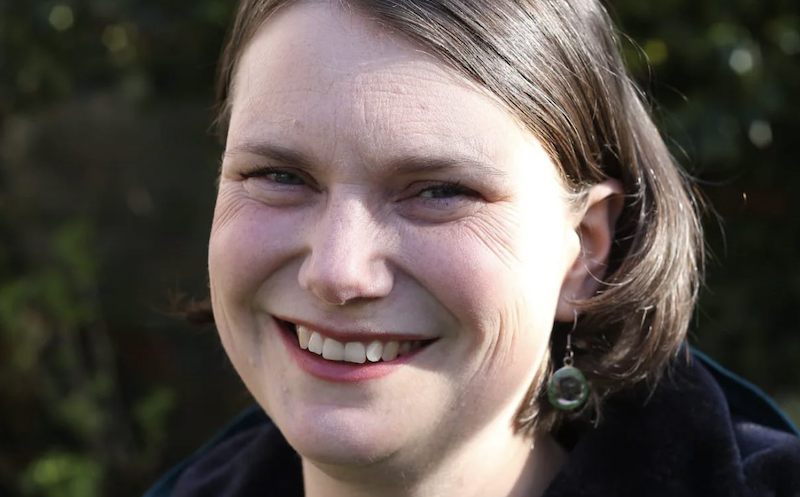
The Green party certainly knows how to pick them. Sarah Wakefield, the Green candidate in the Makerfield by-election, is the executive director of Eating Better, a charity that is open to the idea that British farming is a racist power structure, riddled with white supremacist tendencies, and thereby ripe for ‘decolonisation’. It must come as a shock to most people that the country’s farms are a hotbed of racists.
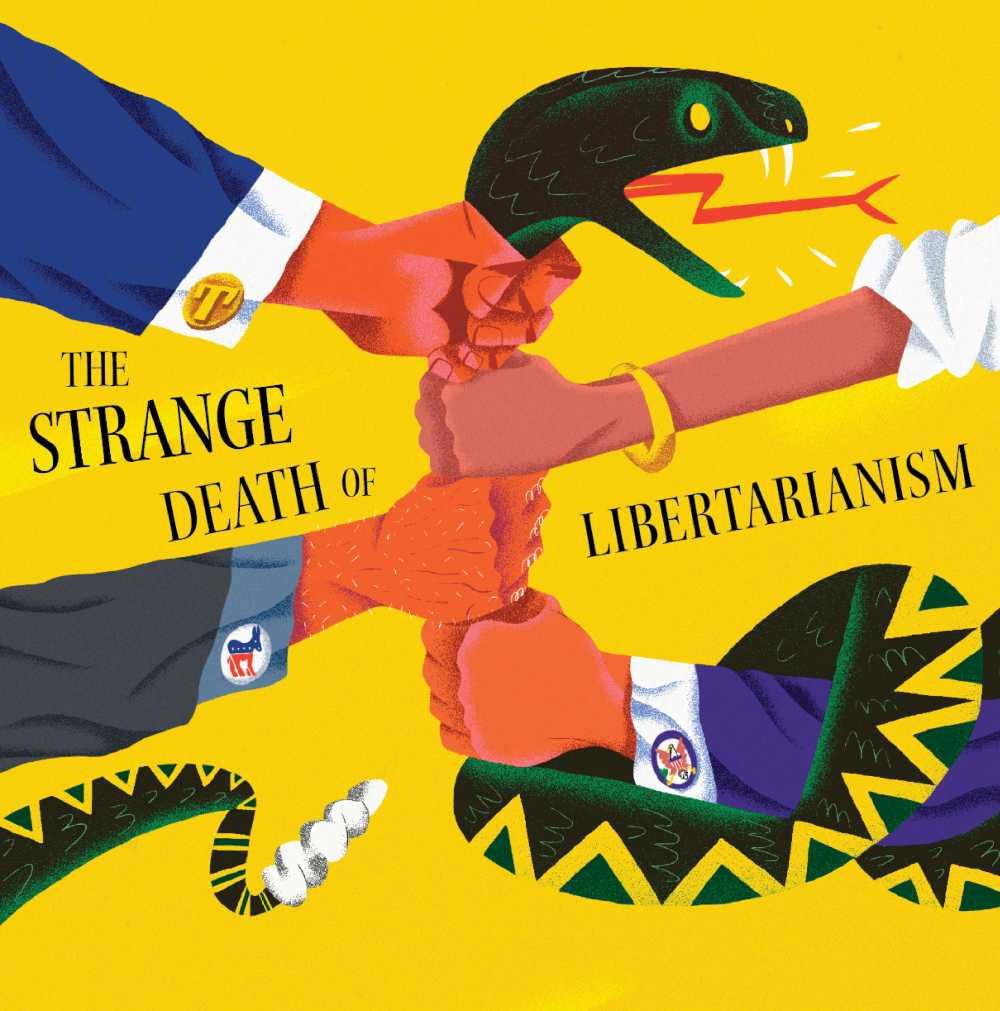
Last year the charity shared a report and accompanying guidance that listed ‘defensiveness’, ‘perfectionism’ and ‘a sense of urgency’ as examples of ‘white supremacy culture’. Who knew that setting high standards in food production was simply a devious way of asserting racial and cultural superiority? The report went on to suggest ways to challenge ‘colonial power and legacies’ in the food system.
‘To decolonise food is to rethink our relationship with it and take a fairer, more connected, holistic approach,’ according to Caroline J. Sumlin, an American activist, who wrote the report. It really is an exercise in gobbledegook. It is hard to believe that sensible adults can believe this nonsense, but plenty in the ‘do-gooding’ community apparently do. Promulgating this kind of thing – through publications, workshops, seminars and so forth – has become a lucrative cottage industry in itself. The Eating Better charity regularly conducts workshops encouraging ‘decolonial decision-making’ and creating ‘intentionally inclusive spaces’ in farming.
This is supposedly all part of the process by which agricultural practices and land policies are actively reshaped to dismantle historical legacies of colonialism and exploitation. Believe that if you will. Yes, historical injustices should be addressed and discussed, but this hectoring approach, basically name-calling and finger-pointing, isn’t really that. According to the charity’s website, sessions also teach participants to ‘understand the unseen advantages they may have had and how people without these characteristics may have faced barriers’. This amounts to a dubious form of ideological brainwashing. Nothing less. Who gets to decide, and based on what qualifications, what these ‘unseen advantages’ might be? In another session, members agreed to make a ‘space where food systems and anti-racism work can come together’. What on earth does this even mean?
Wakefield, who has previously worked as the head of food transformation at the WWF (the world’s largest independent conservation organisation) and the Co-op as a sustainability manager, appears to be a true believer. In 2024, she wrote the foreword for the charity’s ‘Nourishing Justice’ report, which accused the UK’s food system of being entrenched in ‘racial oppression and exclusion’. The report goes on to say: ‘In the UK our food system mirrors and entrenches racial oppression and exclusion where it is exists in society. It’s why race has a huge influence on people’s experience of the entire food system, from food access, to food sector work, to inclusion in food policy spaces’.
Oh, please. Wakefield, it might be argued, knows little about actual farming in Britain but clearly knows a great deal about the ideology and theory of how to frame agricultural practices in some pre-ordained racist framework. Wakefield, for what it’s worth, serves as a councillor representing Deansgate in central Manchester – not exactly an area overflowing with farmers.
The Green party said it had ‘no comment’ on Wakefield’s work at Eating Better
The Green party said it had ‘no comment’ on Wakefield’s work at Eating Better. I bet. There is nothing wrong per se with suggesting that farming, and indeed the wider agriculture sector, are not exactly beacons of diversity, or to work on ways that might help bring about change and wider opportunities for all. It is, however, something else altogether to put the problems down to racism in farming. Nor is it fair to exploit this to serve a wider and ideologically motivated obsession of finding racism in every nook and cranny of daily life. This mindset is becoming far too prevalent in the wider charity sector: a growing number of charitable organisations are too little focused on their core functions and appear much keener to be seen to publicly support some ideological cause or other, preferably one that shows them to be on the ‘right side of history’. Anyone who questions this approach is simply denounced as being part of the problem. It is no way to conduct public debate about complex issues. The Green party said it had selected a ‘superb’ candidate in Sarah Wakefield. Yes, superb at talking nonsense.




Comments