There are plenty of reasons to be depressed about Britain right now. From our government, which consists mainly of sixth-formers with special needs, to our sporting teams, which conspire to lose across the world. And polls show this depression is real: in a poll on ‘national happiness’ in different countries Britain has plunged from 13th place to 29th, in only a few years.

But if I was asked to name one small but daily aspect of modern British life that gets me down the most, I would answer: litter. All the bloody litter, everywhere. My despair gets so bad that sometimes I convince myself I’m imagining it; did London always look like this? But then I check old photos, and I realise I’m right. Sure, the past wasn’t perfect; they had smog, slavery, really bad coffee and rickets, but somehow, they also managed to keep the pavements relatively impeccable. Yet we cannot.
Why this has happened is a subject for another, more dismal article, because I am here, like the angel of the future, to bring good news to modern Brits. The End of Litter is Nigh. Why so? One word: robotics. In the swirl of wild events, from war to AI, many people have missed the huge advances made in robot technology. And litter is one place where the world, including my corner of north London, will very soon be vastly bettered by this surging tech.
This is how the revolution comes. Councils will sack all their street cleaners and binmen (sorry guys, but at least it’s much-needed good news for Birmingham) and replace them with small humanoid robots. They will be human-shaped so they can work in a world designed by humans for humans.
These three-foot-high electric litter-pickers will then quietly patrol our streets. Immensely strong and insanely tireless, they will toil 24/7 for nothing. They will work so quickly, effectively and relentlessly that they will remove every last pizza box, cigarette butt and Pret sandwich wrap; they will do it at such a pace that dedicated armies of litterbugs, aka modern Londoners, will not be able to keep up. And thus our streets will be clean again. Like they were in the Olden Days.
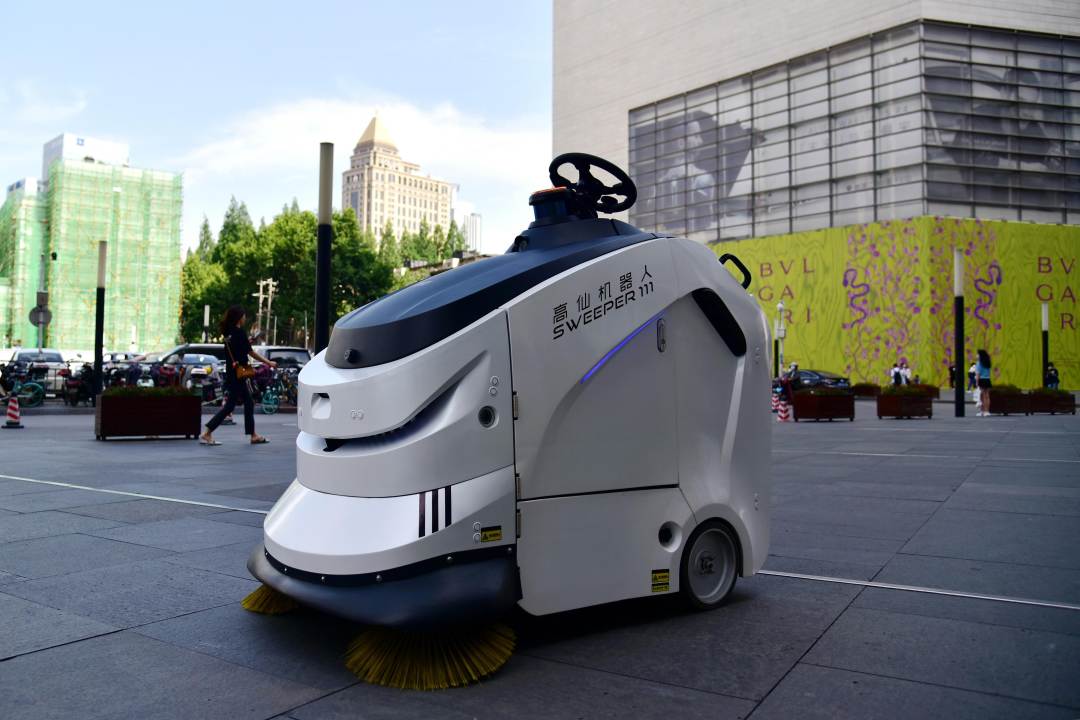
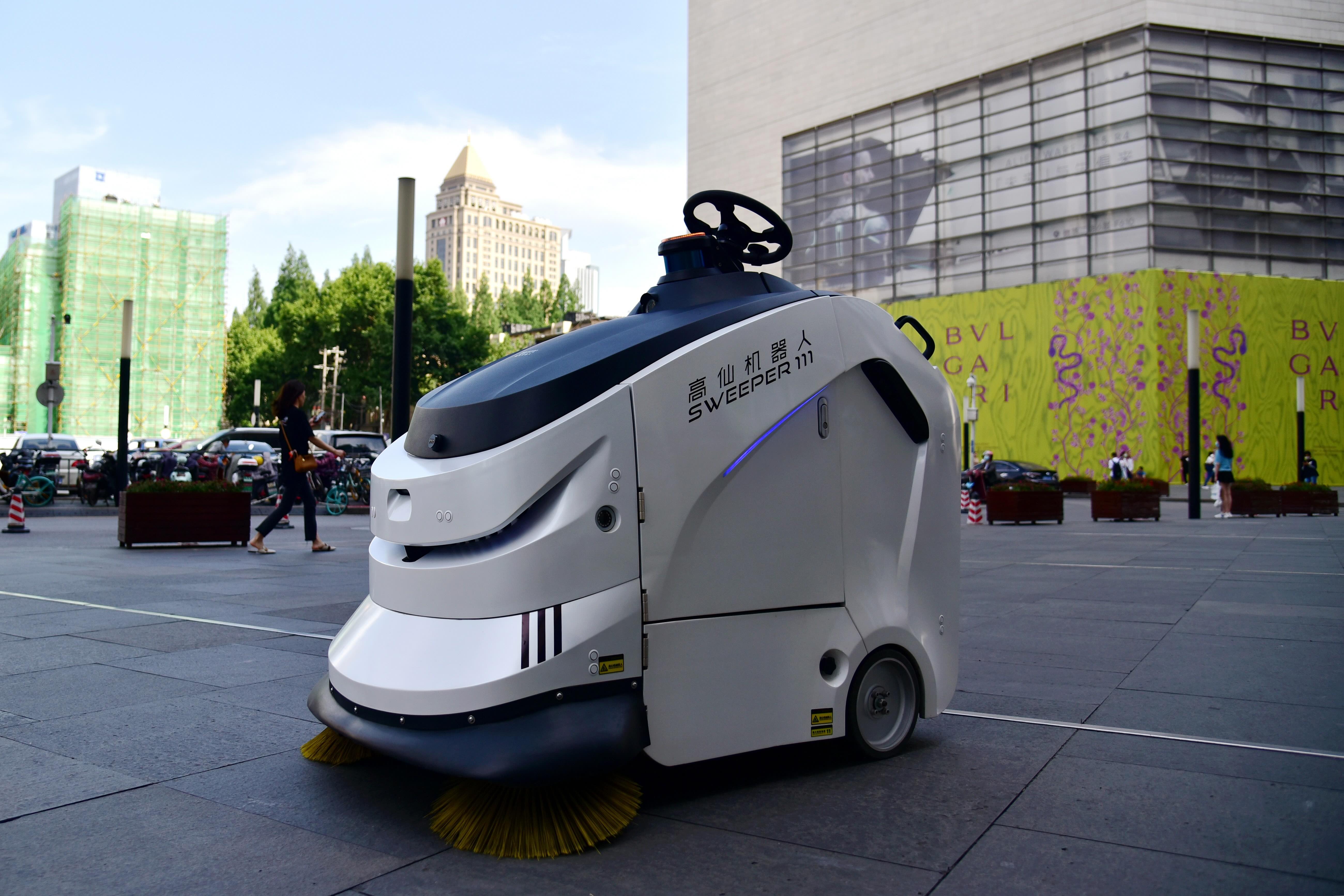
That’s good news, is it not? A reason to feel a bit peppier on a cold spring morning? Or maybe you are feeling a bit sceptical. If so, check the facts: Finland’s Trombia Free autonomous street-sweeper is already operating in Helsinki and uses 90 per cent less energy than conventional sweepers. Guangzhou plans 1,000 unmanned cleaning units by next year. Washington State is testing drones that can detect graffiti with AI, then spray paint it all away.
For the true techno-optimist, this may seem a bit beige
And civic improvements won’t end with scrubbing and sweeping. Soon enough, robots will also make our cities safer, or at least less sordid. One of the most useful effects of robotics will be on the petty crimes that make modern urban life so wearying: shoplifting, vandalism, random low-level menace.
In America, around 1,500 police departments already use drones and in places like Chula Vista, near San Diego, they can arrive at an incident in under two and a half minutes. In Fairfax County, North Virginia, they beat patrol cars to the scene in more than 70 per cent of calls. Miami Beach says 41 per cent of calls can now be cleared without sending an officer at all.
Civil libertarians will of course have a fit, and fair enough, but if you are a Camden shopkeeper being robbed for the third time this month by a hired junkie in a balaclava helping himself to your whisky shelf, you may feel differently. It is also possible that these positive changes will make big city living very popular again, as the grisly negatives fall away.
Nor will the gains stop at the front door like an uninvited vampire. For years, the home robot was a fantasy. Suddenly it looks much nearer. Figure’s new home-oriented robot, the Figure 03, has been redesigned for domestic settings. Meanwhile 1X is already taking pre-orders in America for its NEO household robot.
What will they do? Pretty soon, almost everything – from folding laundry to stacking a dishwasher to dusting a room. Tasks once regarded as too fiddly are no longer optimistic engineering concepts but part of the real, near-term commercial pitch. Yes, for the moment, the robots are very expensive, but we can expect prices to plunge as production scales up, accelerated by AI.
As a result, in a few years every house will have a small robot butler, the same way every house now has a fridge. This robot will happily act as a beeping drudge, that clears, loads, carries, sorts, cleans, wipes, scrubs, lifts and puts beeswax on your underpriced mahogany antiques. And that, frankly, is what most of us truly need.
Of course, for the true techno-optimist, this may seem a bit beige. Perhaps even humdrum. But it suits me just fine: because I do not ask for a futurist utopia, I do not want laser beams and a lightsaber. I ask only that one day I may walk down a London street without seeing three crushed chicken boxes, a burst bin liner and a discarded vape shivering in the gutter. If robots can give us that, they will have already made Britain a much better place. And done wonders for my blood pressure.




Comments