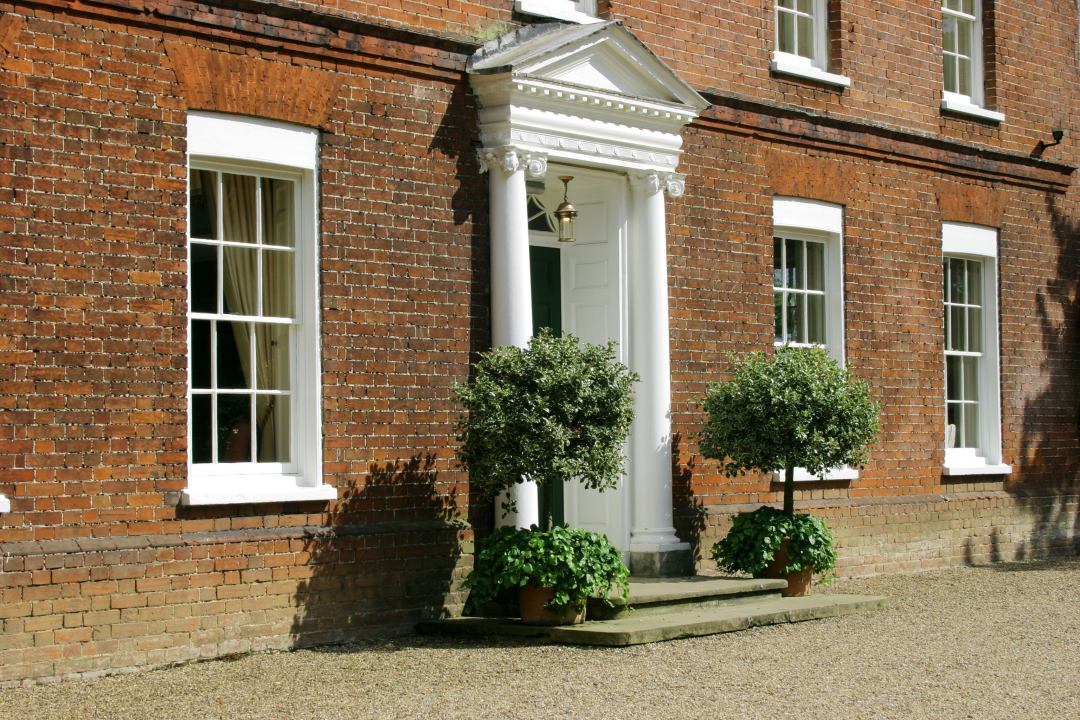
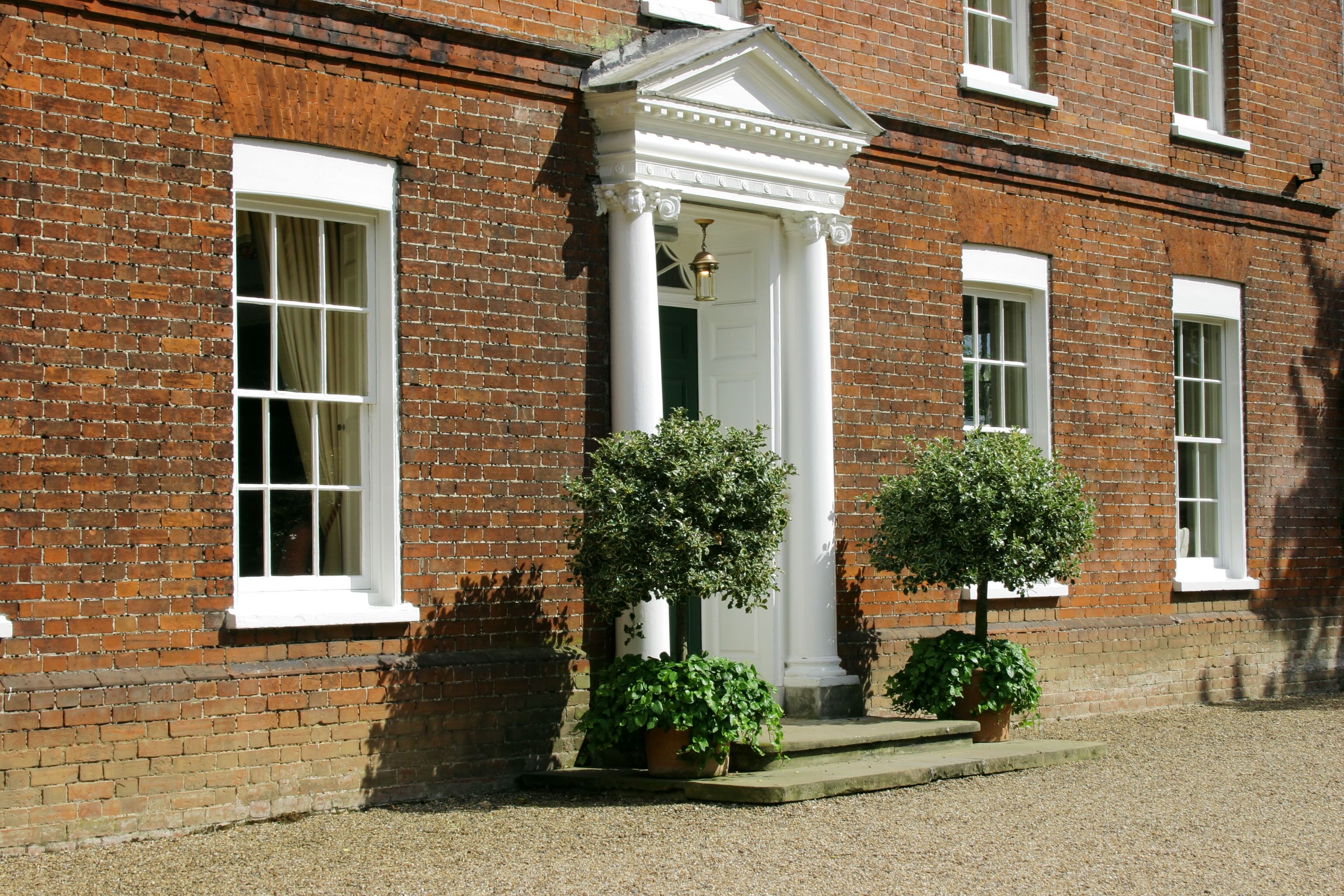
For decades, the idea of the country house hotel – a uniquely British phenomenon – has held a seductive sway for those who would never dream, unlike Hyacinth Bucket’s sister Violet, of having their own mansion ‘with the Mercedes, swimming pool and room for a pony’. There is something wonderfully appealing about turning up at a vast estate that could double as a National Trust property, to be greeted by charming domestic staff who could have stepped out of Downton Abbey, and of abandoning all one’s worldly cares and concerns for a weekend of pampering and history alike.
Perhaps the apotheosis of the modern country house hotel in modern times has been Cliveden in Buckinghamshire, where none other than Meghan Markle chose to spend her last night of single life before her marriage to Prince Harry. Cliveden is, of course, a place associated with sex scandals – not least the Profumo affair – and while the fragrant Meghan is, of course, a woman entirely devoid of any such salacious dalliance, the PR that her stay there brought was better for the hotel than any number of thousand-word broadsheet articles laboriously dissecting precisely what happened between Profumo and Christine Keeler in the swimming pool, Spring Cottage, the billiard-room table etc.
Yet just as Meghan’s standing in public life has somewhat declined since her wedding in 2018, so has the country house hotel gone from being a symbol of the aspirational towards something rather less exceptional. While there are undeniably still top-notch establishments in Britain, there are rather more tired, depressed (and depressing) places that seem to be held together with a mixture of cheaply done repairs, ‘take it or leave it’ service and substandard and overpriced food and drink. After all, in most cases, guests are miles away from any competing restaurants or pubs, and so must be prepared to spend hundreds of pounds on mediocre dinners, underwhelming wines and indifferent dining rooms.
This is before we get onto bedrooms that haven’t been refurbished for years, often with unpleasant reminders of former guests lurking in the bathrooms, public rooms that are over-lit, fussy and often uncomfortable and a general sense that visitors are seen as assets to be exploited rather than honoured VIPs who must be welcomed with genuine warmth. As more sub-standard hotels offer deals that sound too good to be true via bargain websites and gift-card giveaways, the results are only too likely to be disappointing at best and positively catastrophic at best. A look at Tripadvisor, complete with furious testimony by disgruntled patrons, will attest to why the average country house hotel is not peddling dreams so much as nightmares.
The average country house hotel is not peddling dreams so much as nightmares
There are several reasons why the idyll has gone so awry. The first, and most obvious, is that post-Covid, post-Ukraine and now, mid-Iran conflict, prices of everything in the hospitality industry have risen to increasingly unsustainable levels. While the Clivedens of this world can simply shrug and charge whatever they like, within reason, in the knowledge that their millionaire guests will pay properly for five-star luxury, humbler places are faced with hiking their costs or cutting corners in order to survive. Hence the shabbiness, unengaged staff and dreadful suppers.
The second reason, and what might yet prove the death knell of this particular strand of the hospitality industry, is that, over the past few years, the wealthy have found new places to spend their money when they’re weekending. The 2023 opening of the mega-mansion Estelle Manor in the Cotswolds, which nominally functions as a hotel but is really geared towards being a private club, proved a game-changer. Celebrities who are seldom seen at ‘public’ hotels, even the glitziest ones, have been flocking there, from the Beckhams downwards (or upwards), and those who can afford the £3600 annual fee for membership are hardly likely to quibble at the similarly sky-high prices.
The alternative to this are the more boutique, although equally exclusive, likes of Osip and The Newt in Bruton and The Bull in Charlbury. All of these would describe themselves less as hotels and more ‘restaurants with rooms’, where the service is personalised, exclusive and, again, geared towards those with both money and taste. They are often (although not always) child-free zones, meaning that those aiming to get away for relaxing, or simply sybaritic, weekends will be able to do so without hearing the whining of disappointed toddlers or the negotiations that must be entered into to persuade teenagers to abandon their cherished screens. In their mixture of exclusivity and carefully curated rural havens, they have reset expectations of what the wealthy want from their minibreaks and have replaced the tired old country house hotel in the process.
Just as many struggling independent schools have given up the ghost over the past couple of years, so I expect an increasing number of unsuccessful hotels to throw in the towel and either turn themselves into upmarket retirement accommodation or luxury flats, courtesy of deep-pocketed and rapacious property developers. Still, the industry isn’t quite dead yet. One of the country’s most famous establishments, Raymond Blanc’s Le Manoir aux’ Quat Saisons, is currently undergoing an expensive and lengthy refurbishment that should see it rise, phoenix-like, next summer and will give the young upstarts a run for their argent. But before then, several of the kind of places that offer all the warmth and professionalism of Basil Fawlty will undoubtedly have closed their doors forever. It will be hard to mourn their departure.





Comments