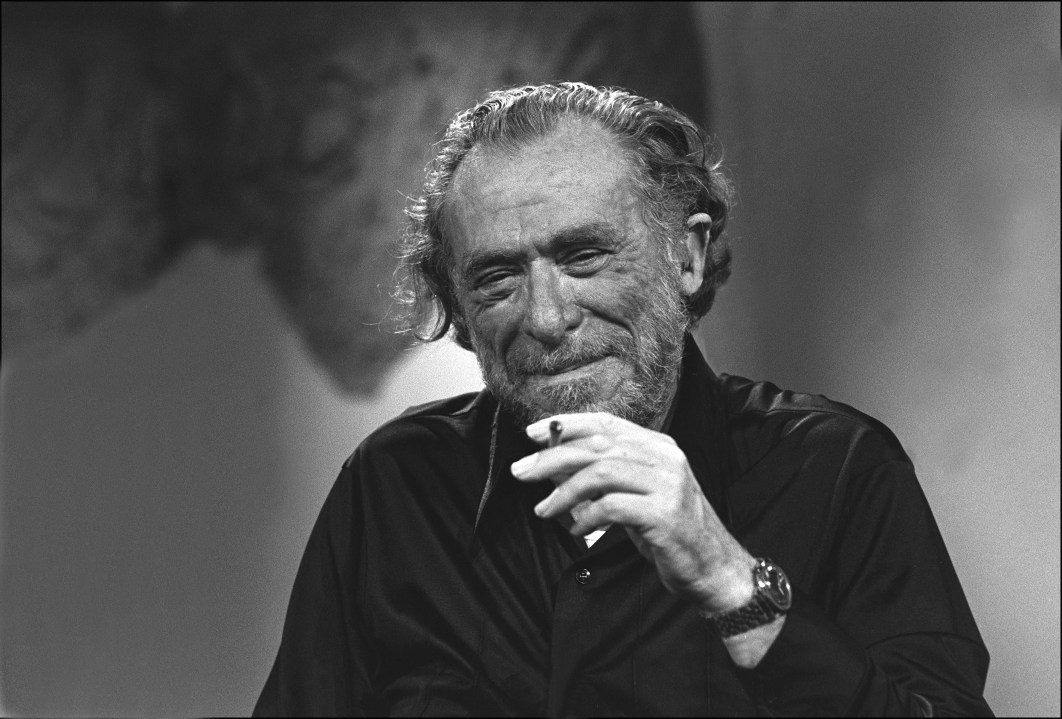
My reading experiences with the poet and novelist Charles Bukowski (1920-94), once described by Time magazine as the “laureate of American lowlife,” have taught me an important truth about literature: that characters you hate can be at least as compelling as those you admire.

Take Henry Chinaski, the depressive, alcoholic protagonist of Bukowski’s five semi-autobiographical novels (he wrote six in total, as well as hundreds of poems and short stories). One of these in particular I have read so many times that the jacket is falling off: Women (1978), in which Bukowski’s alter-ego Chinaski enjoys – if that’s the right word – the rewards of literary fame after decades of obscurity. It followed his bestselling debut Post Office (1971), an account of his years as a mail carrier and unknown writer, and Factotum (1971), a prequel narrating Chinaski’s aimless existence after being rejected from the World War Two draft.
Bukowski didn’t become famous until the late 1960s, when he was in his late forties. Born in Andernach, Germany, to a German mother and German-American father, he moved with his parents to Baltimore aged three, then to L.A. when he was ten. He stayed there for the rest of his life. When he wasn’t writing, betting on horses or drinking, Bukowski worked in a pickle factory, as a mail carrier, letter filing clerk and in other dead-end jobs, the relentless drudgery of which provides the background to the Chinaski novels.
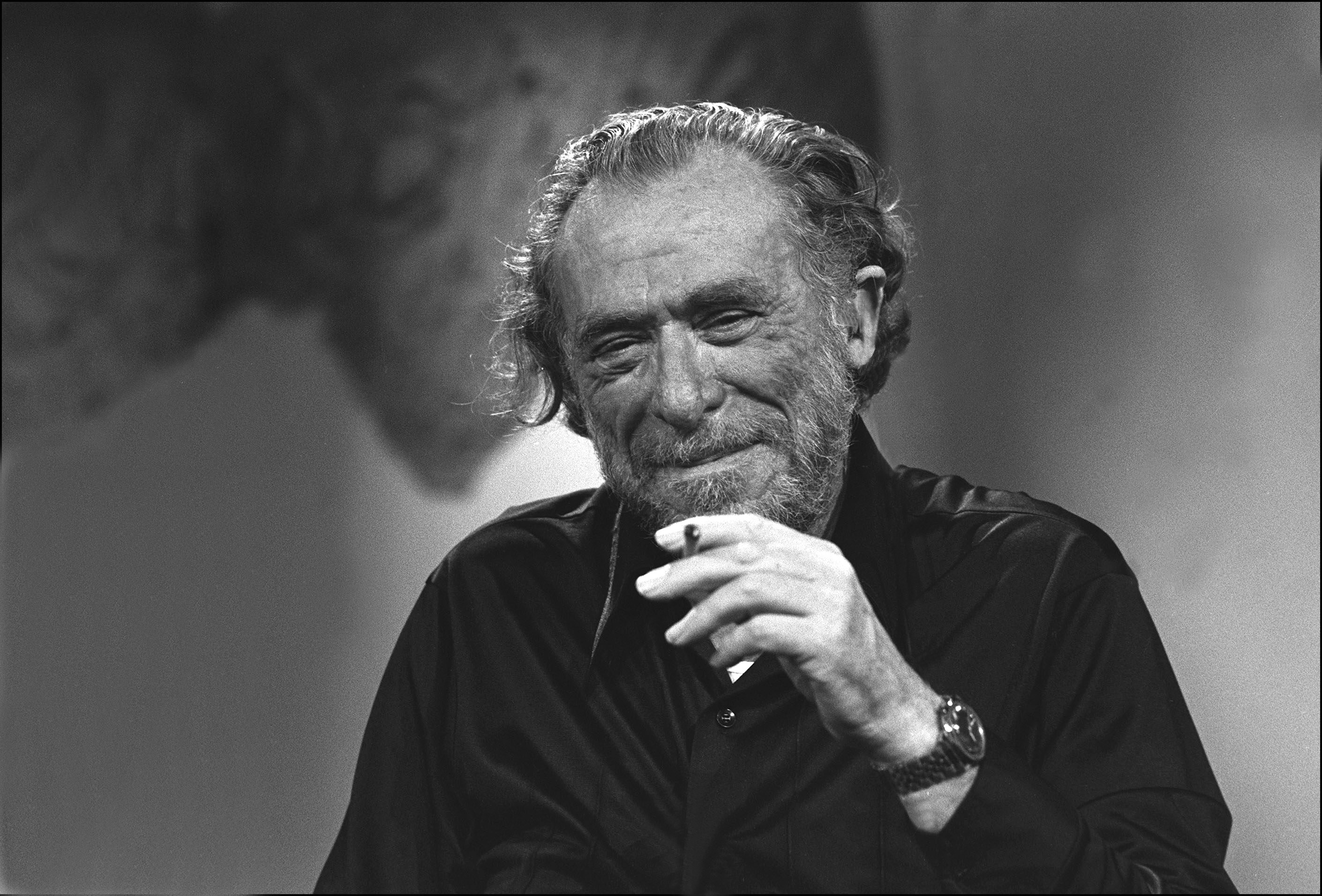
When he wasn’t writing, betting on horses or drinking, Bukowski worked in a pickle factory
Bukowski wrote Women quickly, fueled by three bottles of white wine a night. The method of composition is reflected in the style: short chapters and punchy sentences, of which the very first few are good examples: “I was 50 years old and hadn’t been to bed with a woman for four years. I had no women friends. I looked at them as I passed them on the streets or wherever I saw them, but I looked at them without yearning and with a sense of futility.” Chinkaski more than makes up for that dry spell in the story that follows. L.A. is the setting, almost a character – the rough, poor, downbeat side of the city that Bukowski knew so well.
The plot, such as it is, consists of three core elements or set pieces that repeat on loop: Chinaski – or Hank, as he’s known – has rough, desultory sex, either with a casual (and usually highly unstable) girlfriend or much younger fan; Hank is flown out to cities across the country, all expenses paid, to give poetry readings, throughout which he drinks heavily in front of volatile crowds; Hank drinks unbelievable quantities of beer and whiskey in his L.A. flat, sometimes alone, sometimes with a girlfriend, acquaintance, hanger-on, literary tourist or neighbor. He seems to have no close friends. Hank wakes up, vomits, cracks a beer, and does it all again, starting with hungover sex.
When I first read Women, I was disgusted by Chinaski. I found his sexism and cynicism repulsive, then merely tiresome. The whole novel was like a tough-guy act that eventually becomes tedious. Even with his literary fame, his cult status, Hank’s appeal to women is baffling. Like Bukowski himself, he is physically unattractive. As Hank tells us in his brutal manner: “I was old and I was ugly. Maybe that’s why it felt so good to stick it into young girls.” But he is emotionally ugly too, as well as withdrawn and rude. Though in no way a prude, I found his sexual violence shocking: “I was going to pour my juices into her and there was nothing she could do to stop me. She was mine. I was a conquering army, I was a rapist, I was her master, I was death”.
This, of course, is the point. Hank-Bukowski is compelling because he is so awful. Unlikeable characters, like disasters, command our attention. The thrill of reading Women, more so than any other of the Chinaski novels, is that you find yourself willing its anti-hero on to ever lower depths. I quickly gave up on the prospect of redemption for horrible Hank: that’s not what kept me reading. I didn’t want him to get sober, settle down with one woman, eat and dress better, or take his poetry readings more seriously. I wanted him to carry on just the way he was.
Bukowski knew before it was published that a lot of women would hate this novel. “I may get killed on this one,” he wrote to a friend: “I look worse than anybody but they’re only going to think about how I painted them.”
It’s fully understandable why many women did react that way, and why many still do (my ex-girlfriend also found Chinaski disgusting, nor could she stop reading). But Bukowski was right to say that he was harsher on himself than on any of his female characters. That’s why the Chinaski novels are so sinfully readable.





Comments