I’m bullish about AI. All aesthetic snobs should be. In the war on man-made slop – still the most pressing threat – algorithms are an ally. After all, how much of the output of Netflix, Hollywood or Sony will retain its allure once AI is ventriloquising it to perfection? The qualities that have made popular art popular – legibility, fluency, tidiness – will surely be fatally tainted, perhaps even start to repel us. What we will crave instead is for culture to look and feel weird – opaque, messy, frangible. The experimental might even become box office.
Wishful thinking? Well if the Rewire music festival in The Hague is anything to go by – so rammed this year that it was actually rather unbearable – it might already be happening. And at this week’s Venice art biennale, the Vatican – which has a pretty decent track record on cultural commissioning – seems to have thrown in its lot with the contemporary esoteric, filling its much-hyped pavilion with a whole load of experimental composers.
Only untutored ears could have greeted such a half-baked idea with a standing ovation
Experimental music has regularly sought refuge in the art world: a state of affairs that has been a blessing and a curse. A blessing because the ideas incubated in these informal laboratories have often fed back into the concert hall and rescued contemporary music from academic oblivion. A curse because it has no doubt led to an awful lot of rubbish. Worse, artists now think sound is just as much their material as anyone else’s. Perfectly fine in principle. But many of them haven’t a clue as to what’s been done before in this field. And their audiences know even less.
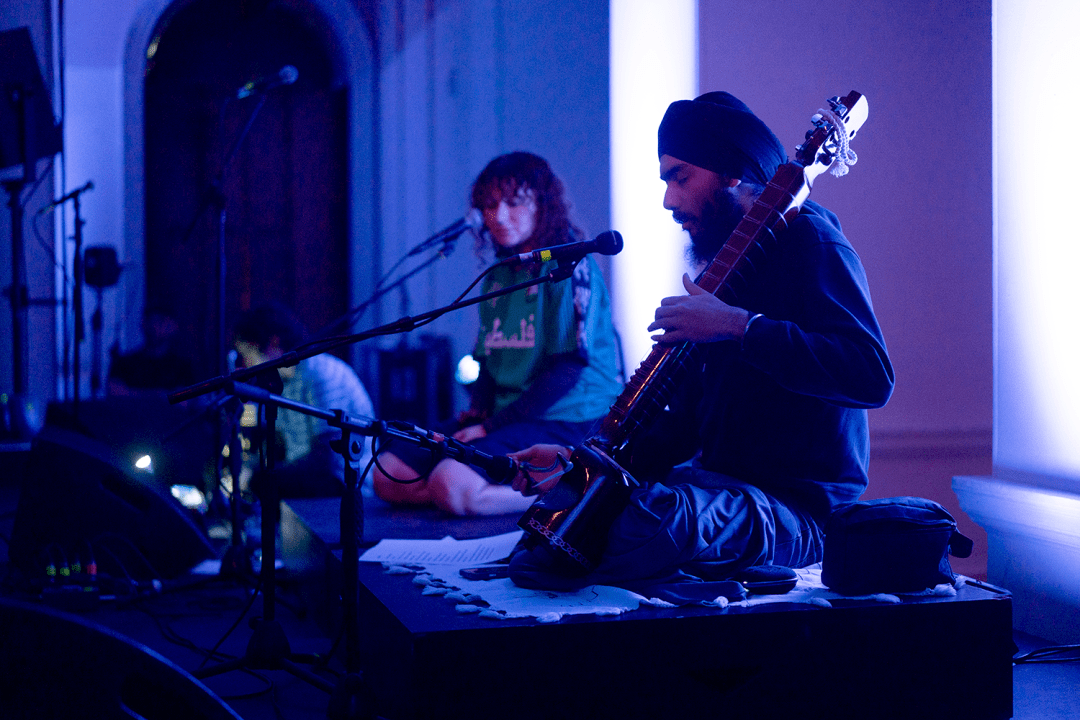
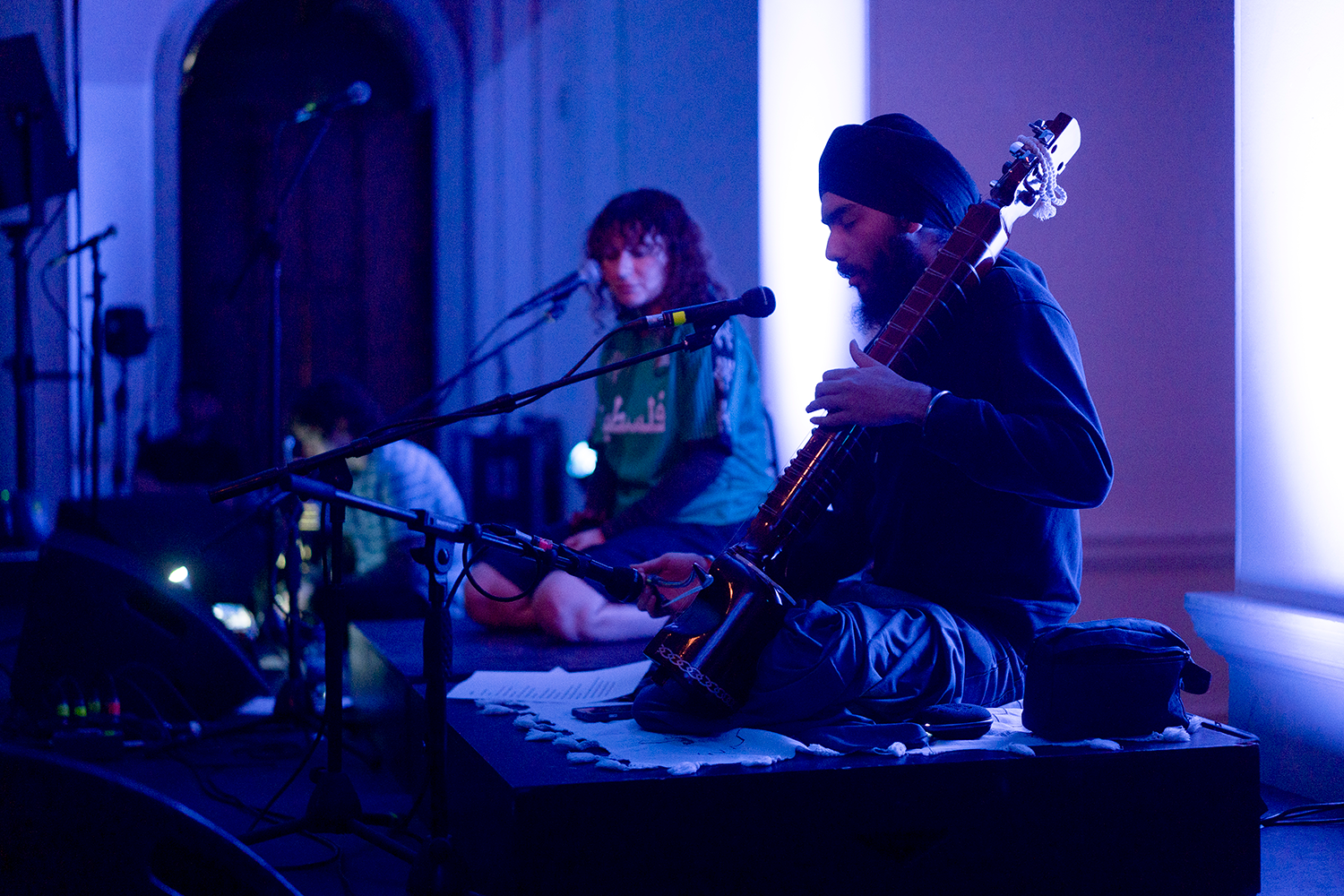
Take Turner Prize-winner Jasleen Kaur. She was very fortunate to have had an art crowd judging her first musical work, Supra, which premiered at Somerset House Studios. Kaur presented a trio of musicians from three traditions – modal jazz, Sikh devotional music and western pop – and plonked them together as if they were readymades in one of her installations. Each musician launched something sentimental and portentous, then tepidly echoed each other. Only untutored ears could have greeted such a half-baked and unoriginal idea (conceptually speaking, Charles Ives for pre-teens) with a standing ovation.
Assembly – the packed and admirably intrepid two-day festival of music and performance of which Kaur’s work was meant to be a highlight – was billed as a site of experimentation. Yet too often a generosity of spirit served as a cover for a lack of knowledge, which allowed artists to ape the clichés of experimental music, signifying experimentalism without bothering to do anything remotely experimental. It made for an aesthetically conservative weekend – the prevailing mood one of meekness, nostalgia, wafty melodies, soupy washes of sound.
Another consequence of presenting music to a musically illiterate art audience is that anyone from the Global South can float out some ornamented vocals and everyone will swoon, presuming the performer is presenting some authentic exotic self. The curious, if inevitable result of which is that orientalism has been allowed to return by the back door. Diversifying the commissioning process is all well and good but if you don’t also diversify the musical erudition of those listening no one will know if what they’re witnessing is, say, top-class dilruba-playing or self-orientalising tourist kitsch. So welcome to the 1890s. Enjoy it while it lasts.

It needn’t be this way. Assembly also included artists whose work showed what experimentation can look like when pursued with rigour and imagination. Daniel Oduntan, for example, cooked up a storm. Deploying Butch Morris’s ‘Conduction’ technique for guiding improvisation, the lanky Oduntan flung his arms at half-a-dozen hyper-alert musicians who sat at desks like researchers in a library. Coaxing and advising, shaping and cajoling, he pointed and beckoned, puffed himself up, shrank himself down. They generously flung back chunks of soul and funk, locked into wild improvisations, summoned grooves from who knows where. It felt like a dream of the past that had never quite materialised.
I heard a fantastically filthy drone piece by Ellen Arkbro for regal (a skronky early organ played by the composer) and four crumhorns (primitive oboes shaped like hockey sticks), which did something that really shouldn’t be possible: made a quintet of Renaissance instruments sound like the conversation I imagine electric pylons are having when our backs are turned. Later I watched DeForrest Brown Jr. demonstrate what a fabulously rich soundworld you can summon up from live electronic improvisation – cinematic, kinetic, ecstatic, Brown’s body jerking furiously with each compositional swipe and twiddle as if he were being electrocuted by his hardware.
The one I’m still trying to figure out is Hanne Lippard and Renato Grieco’s wry, meticulously presented, flintily opaque three-act play about an email scam. Punctuated by ravishing interludes from Grieco on viola da gamba, the work was a welcome relief after all the on-the-nose manipulations elsewhere. That I still don’t know what the hell was going on is the highest compliment I can pay them. Experiments ought to leave you bewildered.






Comments