
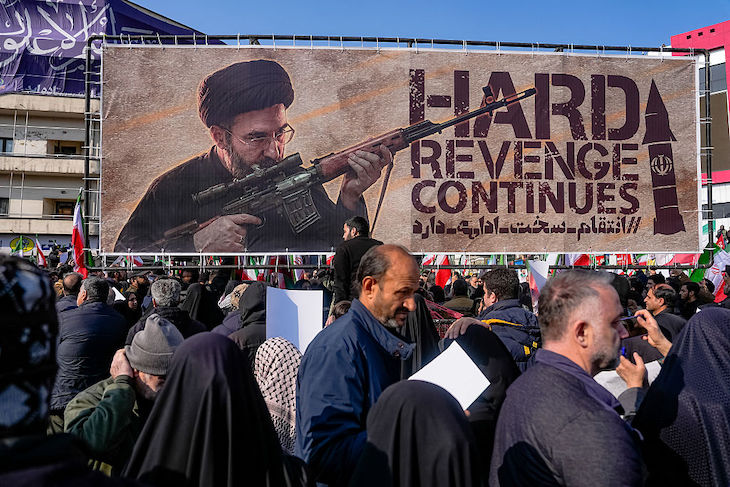
Overnight on Wednesday, around 100 Basij soldiers were killed across Tehran by dozens to hundreds of suicide drones in a covert operation some are comparing to Israel’s previous pager operation against Hezbollah in Lebanon. The drones hit Basij bases, motorcycles, and vehicles, targeting IRGC, Basij, and special forces checkpoints.
Inside Israel, political debate is intensifying over the war’s long-term objectives
Iraq also experienced a heavy night of strikes against pro-Iranian militias.
At the same time, the regime in Iran continues its efforts at self-preservation through sustained attrition from within Iran and on other fronts.
Earlier on Wednesday, Washington issued a clear warning to Iranian civilians to stay clear of naval vessels, port facilities, military equipment and personnel near the Strait of Hormuz, signalling that American strikes on Iranian maritime infrastructure may be under consideration. The Centcom warning was issued in Persian and indicated that because Iran is using civilian ports for military purposes, they are legitimate targets for the US military, under international law.
Mohsen Darbaghi, the IRGC’s deputy chief of staff for logistics, was killed during extensive strikes inside Iran that targeted military infrastructure, including around Tehran and the western city of Marivan near the Iraqi border. An ammunition depot near Tehran’s Mehrabad area was also hit.
More than once during the course of the day, President Trump said that the US has already won in Iran, but needs to ensure there is no need to repeat military action again within two years.
In Israel, the northern front with Hezbollah remains highly active. Hezbollah announced the launch of an operation against Israeli targets, followed by a wide rocket barrage toward northern Israel and sporadic fire towards the centre of the country. Warning sirens sounded across dozens of communities from the immediate border region down toward the Haifa area. Civil defence authorities instructed residents of the north to remain close to protected spaces as additional alerts continued throughout the evening.
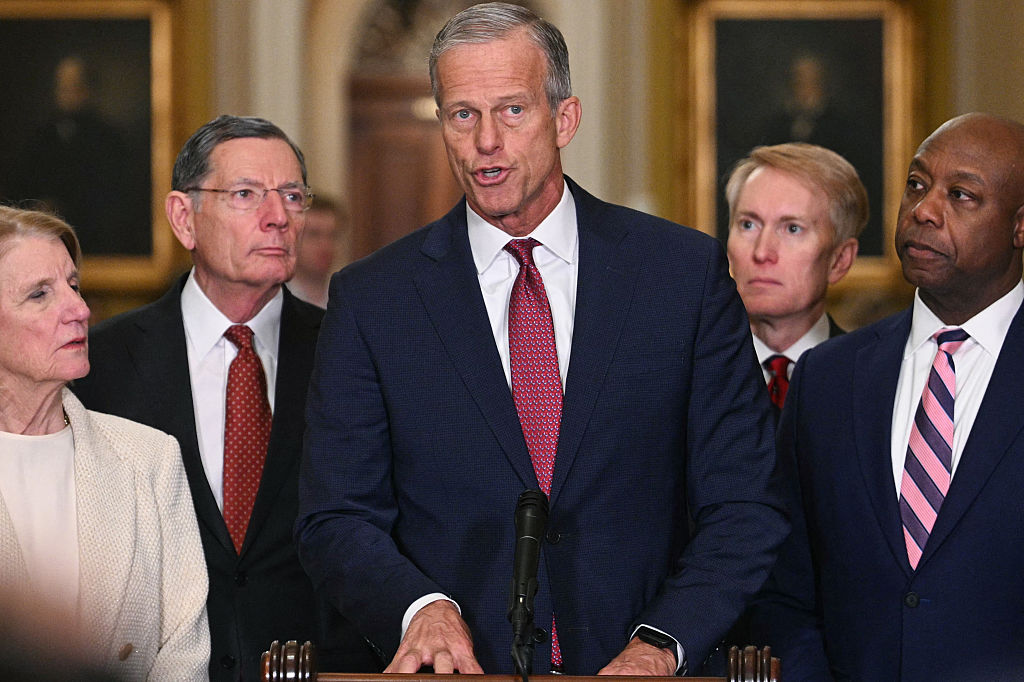
Iranian-aligned militias in Iraq also claimed the first operational use of a new Iranian-manufactured loitering munition, identified in reports as the “Hadid-110”. A drone strike attributed to Iran struck fuel storage facilities at the port of Salalah in Oman, with fires continuing to burn at the site hours after the attack. Air raid sirens were also reported in Kuwait later in the evening, suggesting the conflict’s effects continue to be felt across the Gulf region.
The Israel Defense Forces carried out air operations in Lebanon. Lebanese sources reported that an earlier Israeli strike on a quarry in the Baalbek region killed eleven people and wounded ten others. Israeli military issued evacuation warnings to residents before strikes intensified in the Dahieh district of Beirut, an area closely associated with Hezbollah’s political and military infrastructure.
Israeli military activity also continued in Gaza. Palestinian channels reported that a building in western Gaza City was struck after a warning procedure known as a “knock on the roof”, allowing people to evacuate before the larger strike. Footage from the aftermath appeared to show a rocket launcher at the site and a projectile being fired shortly after the strike.
The cumulative toll from the broader regional campaign is mounting. Figures compiled from official data and media reporting suggest that since the beginning of the current operation, more than 1,200 people have been killed in Iran and approximately 570 in Lebanon. Israel has reported 13 deaths and roughly 2,000 wounded. Casualties have also been recorded in Iraq, Jordan and several Gulf states, while the U.S. military has acknowledged eight fatalities and more than 140 wounded personnel.
Inside Israel, political debate is intensifying over the war’s long-term objectives. Opposition leader Yair Lapid said the military campaign had achieved “unprecedented successes” and benefited from strong American backing, but argued that battlefield gains must translate into a lasting political outcome. He warned against ending the war with vague declarations of victory while leaving the underlying threat unresolved.
An Iraeli policy group known as “Lobby 1701” called for the creation of a buffer zone extending to the Litani River in southern Lebanon under exclusive Israeli military control. Advocates say such a zone would provide lasting security for Israeli communities along the border after years of unsuccessful diplomatic arrangements.
Meanwhile, signs of instability are emerging within Iran itself. Opposition media published footage purportedly showing armoured vehicles and security forces moving toward the city of Ahvaz, where Arab groups were reportedly organising resistance to the government.
With the war stretched across several fronts, from covert attacks inside Iran to sustained assaults on Israel from Iran and Lebanon, as well as militia activity across the region. One major actor has so far remained on the sidelines: the Iranian-backed Houthis in Yemen, whose entry into the conflict would open another dangerous theatre.

Comments